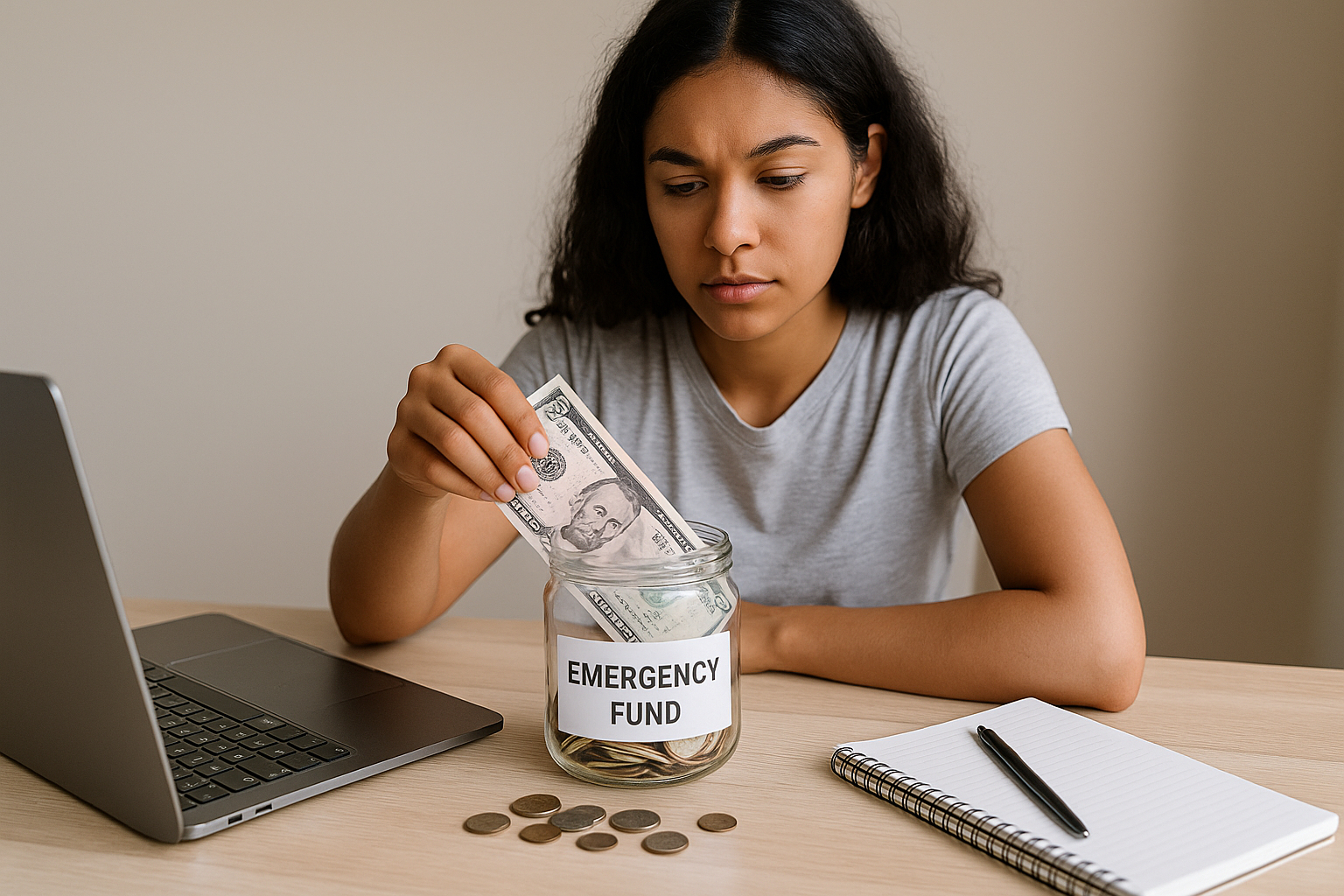
Managing money as a student can feel overwhelming, especially with the many unexpected expenses that come up during the year. An emergency fund offers a simple but powerful safety net that protects students from financial stress when life takes an unexpected turn. Whether it’s a medical bill, a sudden trip home, or a laptop repair, having savings set aside helps maintain stability and peace of mind. For students balancing academics and daily responsibilities, an emergency fund is one of the smartest financial habits to build.
A Safety Buffer for Unexpected Expenses
College life comes with many surprises. A broken phone, car trouble, or an unplanned fee can easily disrupt a tight budget. An emergency fund gives students the ability to handle these expenses without turning to high-interest loans or relying on others. Even a small amount set aside each month creates a useful cushion that reduces panic when the unexpected happens.
Protecting Academic Focus
Financial stress is one of the biggest distractions students face. Worrying about how to cover an urgent expense can pull focus away from studying, attending classes, or participating in campus life. An emergency fund helps protect academic performance by offering a sense of security. When students know they have a financial buffer, they feel more confident and are better able to concentrate on their goals.
Reducing Dependence on Credit and Loans
Many students turn to credit cards or short-term loans when emergencies arise, but these options often lead to long-term debt. Interest charges grow quickly and can take years to repay. An emergency fund provides a healthier alternative. By relying on savings instead of borrowing, students avoid debt traps and build stronger financial habits that benefit them long after graduation.
Building Strong Financial Habits Early
Creating an emergency fund teaches valuable skills such as budgeting, discipline, and planning ahead. These habits become the foundation for future financial success. Even saving small amounts—like leftover change, earnings from part-time work, or occasional financial gifts—helps students start building a positive routine. Over time, this simple habit grows into a powerful financial tool that supports independence and long-term stability.
Conclusion
An emergency fund is an essential financial resource for every student. It offers protection, reduces stress, and helps maintain focus during important academic years. By setting aside small amounts consistently, students create a safety net that prepares them for unexpected challenges and builds confidence for the future. A little planning today leads to greater stability tomorrow.