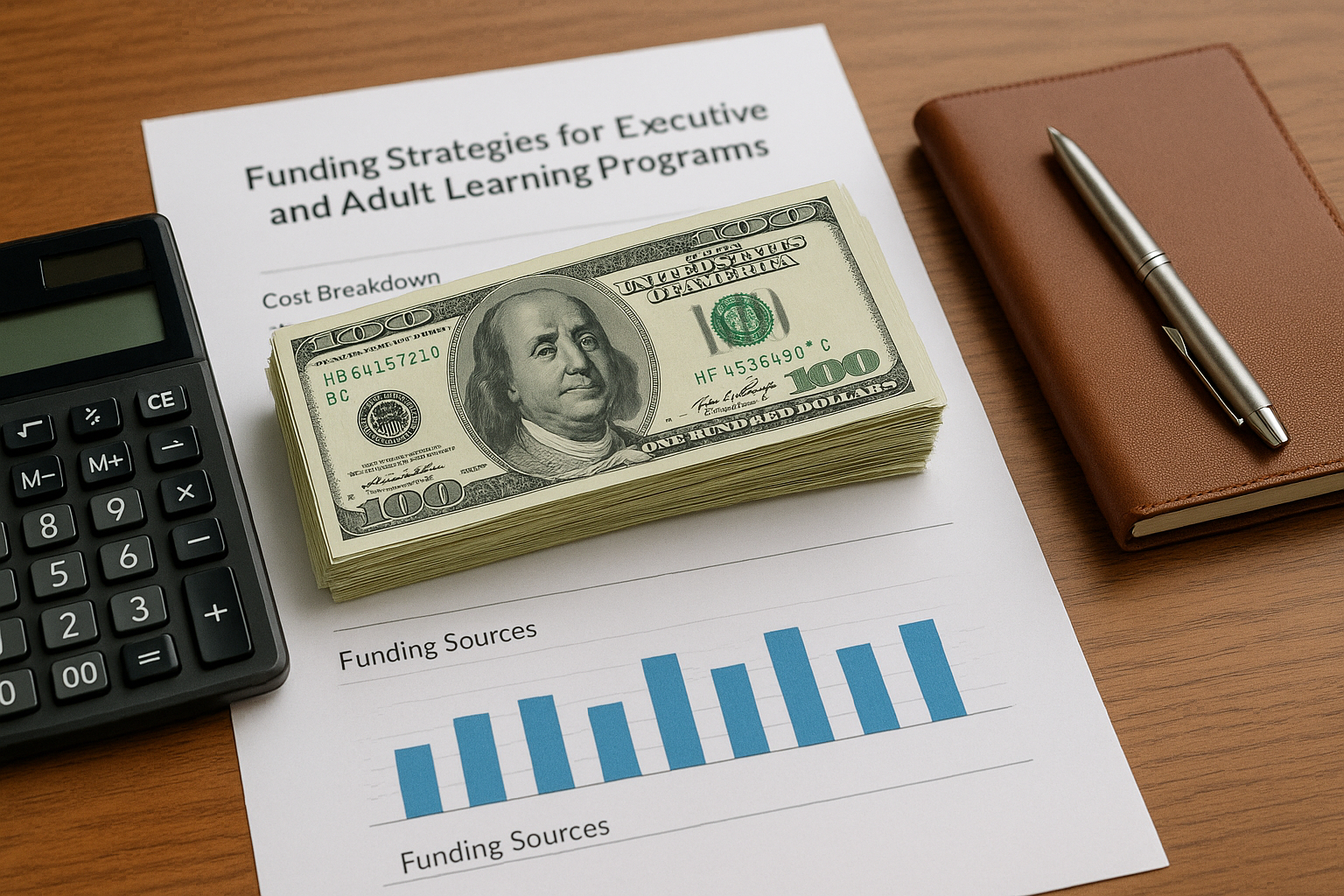
Executive and adult learning programs have become essential tools for career advancement, leadership development, and upskilling in a rapidly changing workforce. While these programs offer high value, they can also come with significant costs. Finding smart, sustainable ways to fund continued education helps professionals pursue growth without creating financial strain. By understanding the available options and planning strategically, learners can make informed decisions that support long-term professional success.
The introduction of targeted financing solutions, employer-sponsored benefits, and flexible program structures has made lifelong learning more accessible than ever. Today’s funding landscape empowers adults to take charge of their development while adapting to career demands and personal financial goals.
Leveraging Employer Sponsorship and Tuition Assistance
Many organizations invest in their employees’ development through tuition reimbursement, learning stipends, or leadership sponsorships. These benefits can significantly reduce out-of-pocket costs for executive programs. Employees who communicate their goals clearly, outline how the program aligns with business needs, and demonstrate commitment often gain strong employer support. Company-funded learning not only benefits the individual but also strengthens the organization’s talent pipeline.
Exploring Scholarships and Fellowship Opportunities
Executive and adult learning programs increasingly offer merit-based, need-based, and diversity-focused scholarships. Professional associations, industry groups, and educational institutions also provide fellowships designed to support mid-career professionals. These opportunities help reduce tuition burdens and expand access to learners who might otherwise face financial obstacles.
Using Education Loans and Flexible Payment Plans
Some learners choose education loans specifically designed for professional development. These loans often offer lower interest rates and flexible repayment options. Many institutions also provide installment plans that spread tuition payments across several months or terms. This approach helps learners balance costs alongside work and family commitments without delaying their educational goals.
Taking Advantage of Tax Benefits and Employer-Approved Programs
Several tax benefits are available for adult learners, including deductions or credits tied to qualified education expenses. Professionals can consult financial advisors to identify tax-advantaged opportunities or employer-approved programs that align with these incentives. Even small tax savings can make executive learning pathways more affordable over time.
Conclusion
Funding executive and adult learning programs requires thoughtful planning, but a wide range of options makes growth accessible. By leveraging employer support, exploring scholarships, considering flexible financing tools, and taking advantage of tax benefits, professionals can invest in their development with confidence. With the right strategy, continuing education becomes a powerful, achievable step toward long-term career success.