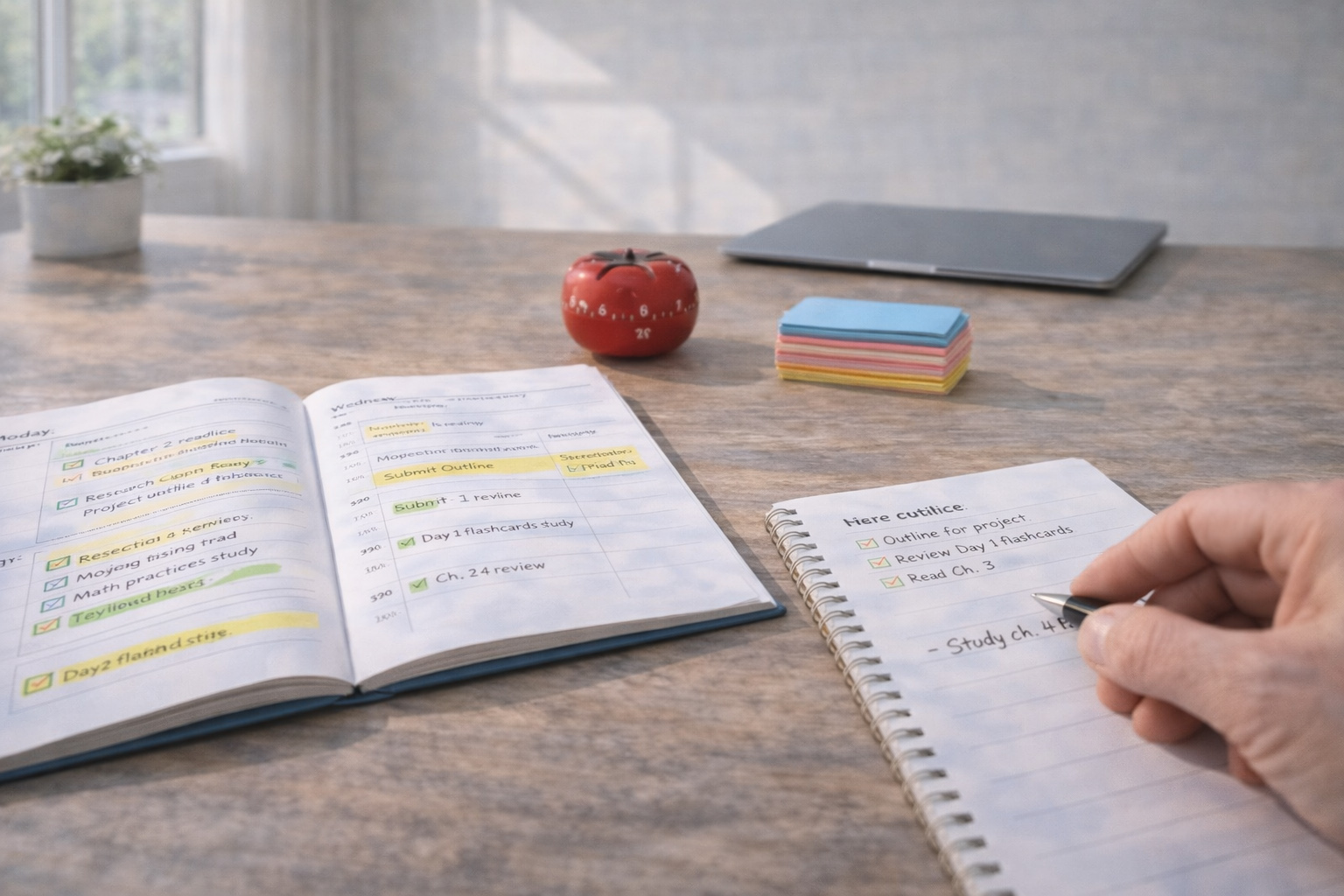
Learning consistently is less about occasional deep dives and more about designing daily habits that compound. Clear priorities and repeatable routines turn scattered effort into reliable progress. This article presents structured steps to organize what you learn, how you practice it, and how you measure growth. Adopting small, sustainable changes makes long-term improvement achievable.
Define Meaningful Learning Goals
Begin by translating broad interests into specific, time-bound goals that describe what you want to be able to do. Goals that specify outcomes and deadlines provide direction and make it easier to choose materials and practice tasks. Break large ambitions into short milestones that you can complete in a few days or weeks. This approach reduces friction and keeps motivation built on regular achievements.
Regularly revisit and adjust goals based on progress and changing priorities. Clear goals also help filter content and prevent distraction from low-impact activities. Treat them as living targets rather than fixed mandates.
Design a Sustainable Study Routine
Consistency beats intensity: short, frequent sessions are more effective than rare, marathon efforts. Identify windows in your day when focus is naturally higher and reserve them for active study. Build rituals around those sessions—preparing materials, setting a timer, and eliminating common interruptions. Scheduling and environment design make adherence much easier.
Start with minimal, nonnegotiable commitments and scale them up once they stick. A predictable routine reduces decision fatigue and transforms learning into an integrated habit rather than an added chore.
Balance Input with Active Practice
Consume material with a clear practice plan: reading and watching introduce concepts, but recall and application create mastery. Prioritize activities that force retrieval, synthesis, or production over passive review. Deliberate practice targets weak spots and adapts difficulty to keep sessions productive.
- Use spaced repetition to reinforce memory.
- Explain ideas aloud or teach them to someone else.
- Work on real tasks that mimic intended application.
Combining varied practice methods helps transfer knowledge to durable skills. Maintain a feedback loop so practice informs what you review next.
Use Tools and Track Progress
Select simple tools to centralize notes, track tasks, and measure outcomes rather than amassing apps. A lightweight system for logging study sessions and outcomes makes it easier to identify trends and bottlenecks. Periodic reviews—weekly and monthly—reveal what’s working and where to reallocate effort. Data-driven reflection helps sustain momentum over months and years.
Automate reminders and use metrics that reflect learning, not just time spent. Celebrate milestone completions and iterate on methods based on evidence.
Conclusion
Organizing learning is an iterative process of setting goals, creating routines, practicing deliberately, and measuring results. Small, consistent habits compound into meaningful capability over time. Focus on systems that fit your life to make continuous growth practical and enjoyable.