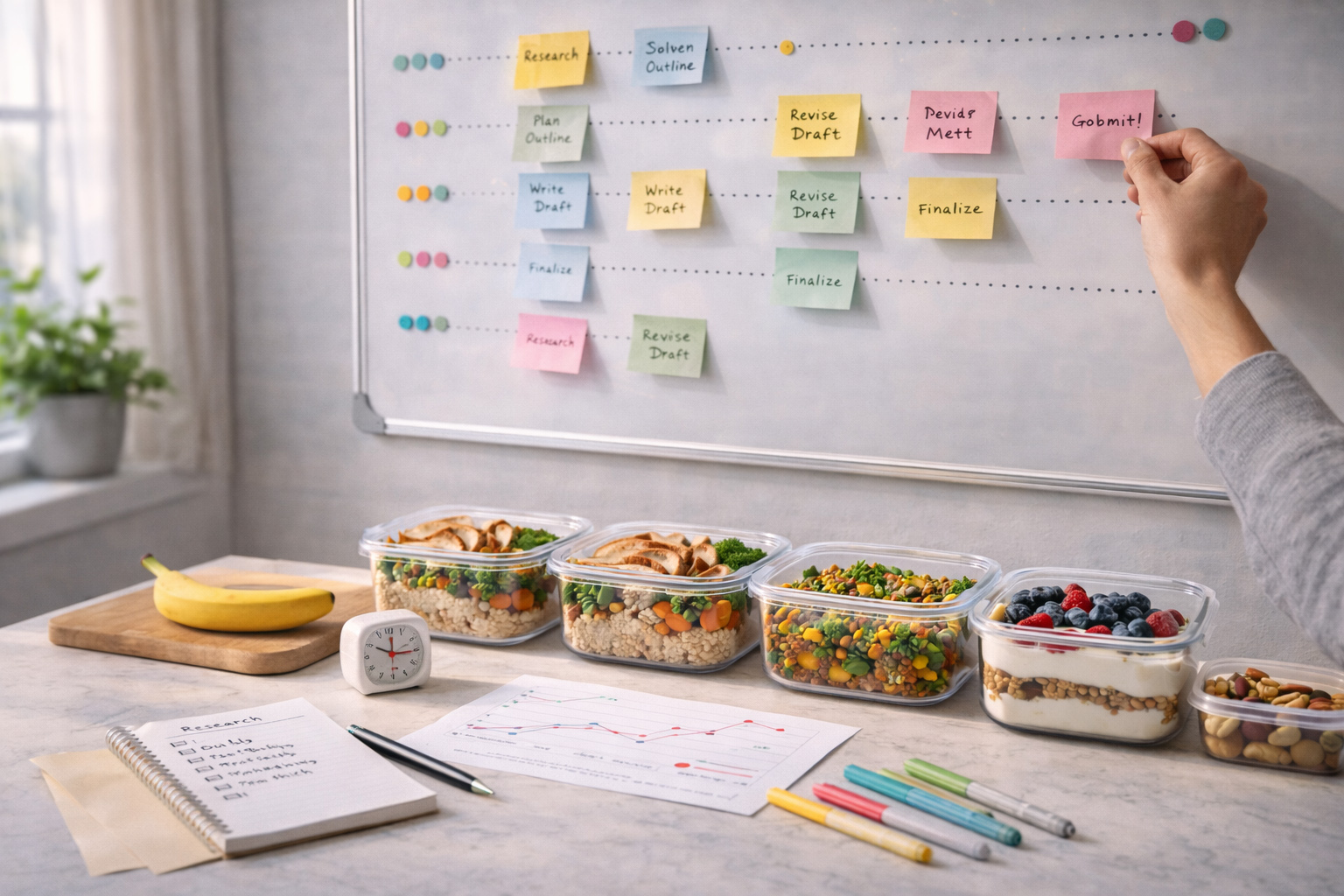
Developing new skills deliberately improves career options and personal satisfaction. A structured approach turns occasional study into measurable progress and helps avoid overwhelm. This article outlines a practical framework that connects goals, methods, scheduling, and review. Follow these steps to create a sustainable learning plan that fits into a busy life.
Define Clear Learning Objectives
Start by defining specific outcomes rather than vague intentions. Break larger ambitions into measurable milestones that can be achieved in weeks or months. Prioritize based on relevance, impact, and feasibility to focus limited time on the highest-value areas. Use concise statements to keep objectives actionable and trackable.
Well-defined objectives become a compass for planning and assessment. Revisit them periodically to ensure they remain aligned with evolving priorities.
Choose Methods and Tools
Select learning methods that match the skill and your preferred style, such as project-based practice, spaced repetition, or peer feedback. Combine sources—courses, books, short articles, and hands-on experiments—to reinforce concepts from different angles. Pick a small set of reliable tools for note-taking, progress tracking, and time management to avoid context-switching. Focus on depth over breadth in each learning cycle to build competence faster.
- Note-taking: a consistent system for ideas and references.
- Practice: short, frequent tasks that build real ability.
- Feedback: regular review from peers or mentors.
Choose tools that integrate well with daily routines to lower friction. Keep the setup minimal so the focus stays on learning rather than tool maintenance.
Schedule, Review, and Adapt
Turn objectives into a weekly schedule with focused sessions and deliberate practice blocks. Use short, consistent sessions rather than occasional long stretches to improve retention and reduce burnout. Build in review points to assess progress against milestones and identify misconceptions. When necessary, adapt the plan to new information, shifting priorities, or changing time availability.
Regular reviews create momentum and make it easier to course-correct. Treat adaptation as a sign of responsiveness, not failure.
Measure Impact and Iterate
Establish metrics that indicate real improvement, such as project completion rate, speed, or quality of outcomes. Track both quantitative indicators and qualitative feedback to capture learning depth. Regularly compare current performance against earlier benchmarks to identify trends and plateaus. Use this evidence to decide whether to deepen a topic, shift focus, or retire a goal.
Data-driven reflection reduces guesswork and accelerates progress. Treat iteration as part of the cycle, refining objectives and methods based on measured results.
Conclusion
Structured learning combines clear goals, effective methods, and regular review to produce steady progress. By keeping plans specific, tools simple, and schedules consistent, professionals can make continuous improvement manageable. Start small, measure results, and iterate to build a personal curriculum that lasts.