Students develop independence most effectively when classrooms are structured to support gradual release of responsibility.
Design choices, routines, and explicit teaching practices all contribute to stronger self-directed learning habits.
This article outlines practical classroom strategies that teachers can adopt without large investments of time or money.
Each suggestion focuses on fostering autonomy while maintaining clear expectations and supportive feedback.
Create Clear Routines
Predictable routines give students the safety to try tasks on their own because they know what to expect and where to find help. Begin each unit by modeling the steps of independent work, including planning, checking resources, and asking for help. Use consistent signals to indicate transitions and opportunities for collaboration so students can manage time without constant teacher prompts. Over time, gradually reduce prompts to encourage students to take initiative.
- Morning check-ins that include goal-setting and materials organization.
- Visible procedures for submitting work and requesting feedback.
Short, repeated routines strengthen habits and reduce cognitive load during independent tasks. They also free teachers to circulate and provide targeted support to students who need it most.
Design Learning Spaces and Resources
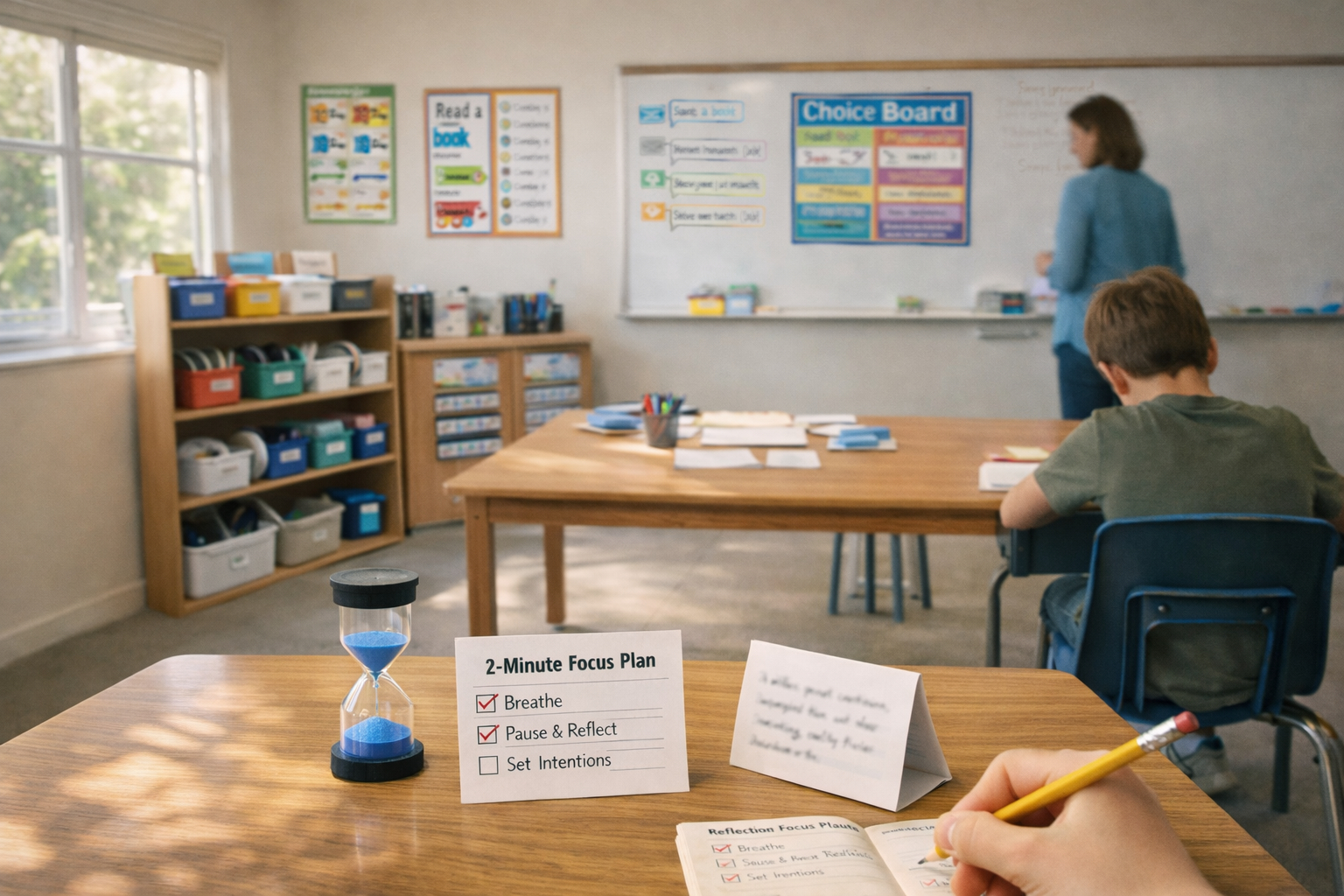
Physical and digital layouts should make independence easier rather than harder. Arrange materials, reference charts, and exemplar work in accessible places so students can solve common problems without interrupting the lesson. Offer structured choice boards or menus of tasks to help learners select appropriate challenges based on their confidence and progress. Provide simple checklists and templates that scaffold decision-making until students internalize the steps.
- Resource stations with step-by-step guides for common tools and procedures.
- Digital folders organized by skill level and task type.
Thoughtful organization reduces barriers to starting and sustaining independent work. Students who can find what they need tend to persist longer and gain confidence.
Teach Reflection and Planning Strategies
Metacognitive skills are central to independence and can be taught explicitly through short reflection practices. Encourage students to set specific short-term goals, predict challenges, and plan one or two strategies they will use during work. After tasks, have learners evaluate what worked and identify one improvement for next time, using prompts that become part of a routine. Peer conferencing and brief written reflections build habit and make thinking visible.
Over time, these strategies shift responsibility for progress from teacher to student. Learners develop a toolkit of approaches to manage challenges and monitor their own growth.
Conclusion
Small structural changes and explicit teaching build powerful habits of independence.
When classrooms support predictable routines, accessible resources, and reflection, students take more ownership of learning.
These practices help learners become more confident, resilient, and self-directed over time.