Education expenses can feel unpredictable and overwhelming.
A clear forecasting framework brings structure and reduces stress.
This article outlines a practical approach to estimate and manage those costs.
It focuses on assessment, modeling, and flexible funding tactics.
Assess Current and Future Needs
Start with household priorities, program types, anticipated duration, and likely increases in tuition or fees. Consider direct costs (tuition, materials, licensing and certification fees) and indirect costs (housing, travel, technology, and lost earnings), and record realistic estimates based on recent bills or program information. Include timeline milestones such as program start dates, enrollment patterns, and any contingency plans that might alter costs. Reviewing historical family spending and expected lifestyle shifts helps refine assumptions and avoid underestimating expenses.
Use a mix of short- and long-term views to balance immediate affordability with future goals. Document assumptions clearly so you can update them as circumstances change.
Model Costs and Build Scenarios
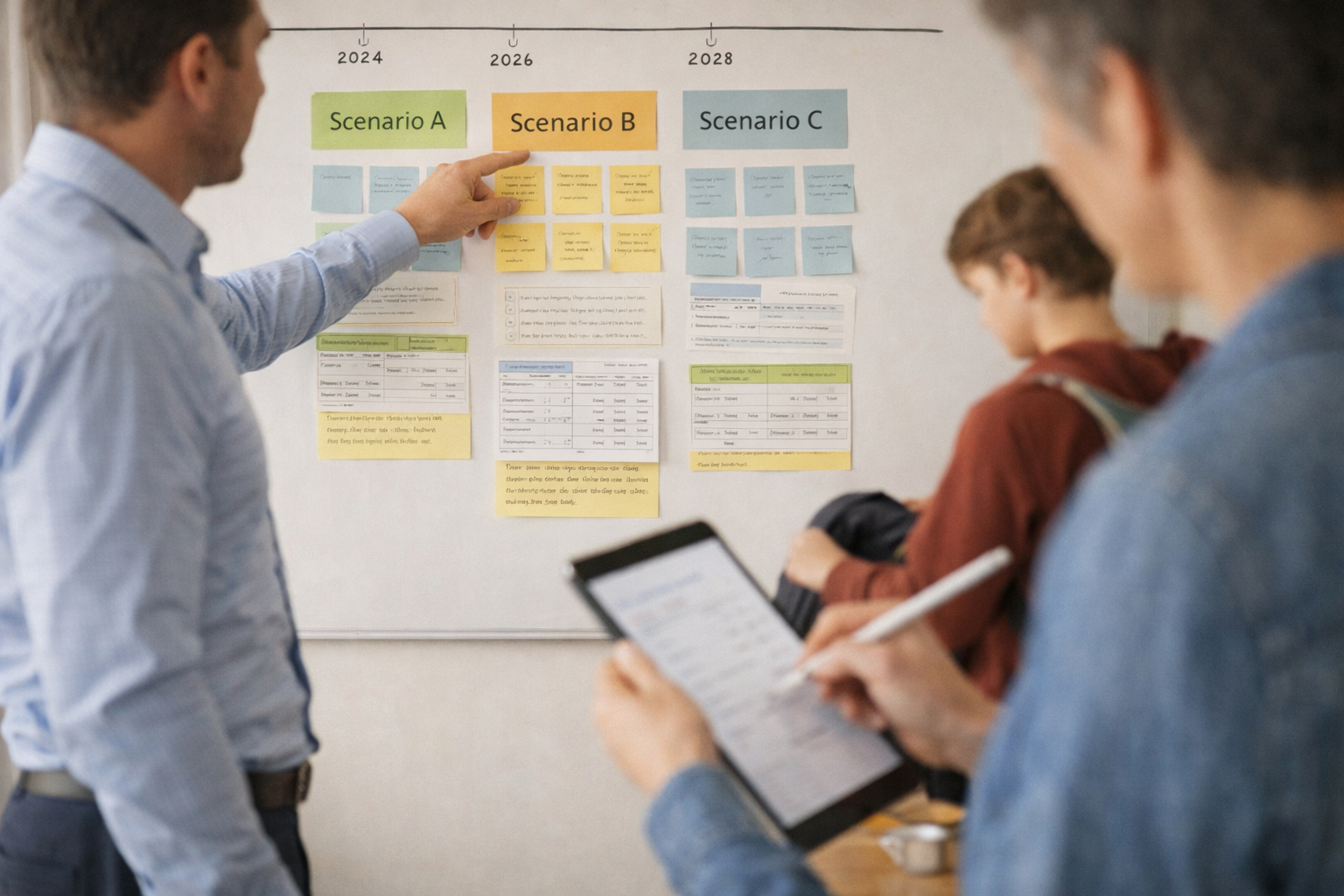
Create several cost scenarios: conservative, moderate, and optimistic projections that reflect different inflation rates and enrollment choices. Use spreadsheet tools or simple models to map costs across years, applying different tuition growth rates, varying living expense trends, and estimating ancillary expenses such as books, technology refreshes, and exam fees. Stress-test scenarios with unexpected events such as delays, program changes, or supplemental fees to see how reserves and funding gaps evolve. Comparing scenarios side-by-side helps prioritize savings and identify flexible funding sources.
Regularly revisit models at least annually to incorporate new information. Small updates keep forecasts realistic and actionable.
Create Flexible Funding Strategies
Diversify funding: combine dedicated savings, targeted investments, tax-advantaged accounts where available, scholarships, employer tuition benefits, and borrowing when appropriate; include student contributions and professional development stipends if relevant. Match funding vehicles to time horizons—short-term liquidity for near-term costs and higher-yield options for distant expenses—to balance growth and accessibility. Build an emergency buffer for unexpected charges and consider milestone-based disbursement plans to limit overspending. Encourage family members or students to explore cost-sharing options and income-based repayment where relevant.
A flexible approach reduces pressure and preserves other financial goals. Clear rules for when to adjust funding decisions make the plan easier to follow.
Conclusion
Forecasting education costs is achievable with a disciplined framework.
Assess needs, model scenarios, and assemble flexible funding to stay prepared.
Regular review turns uncertainty into manageable decisions.