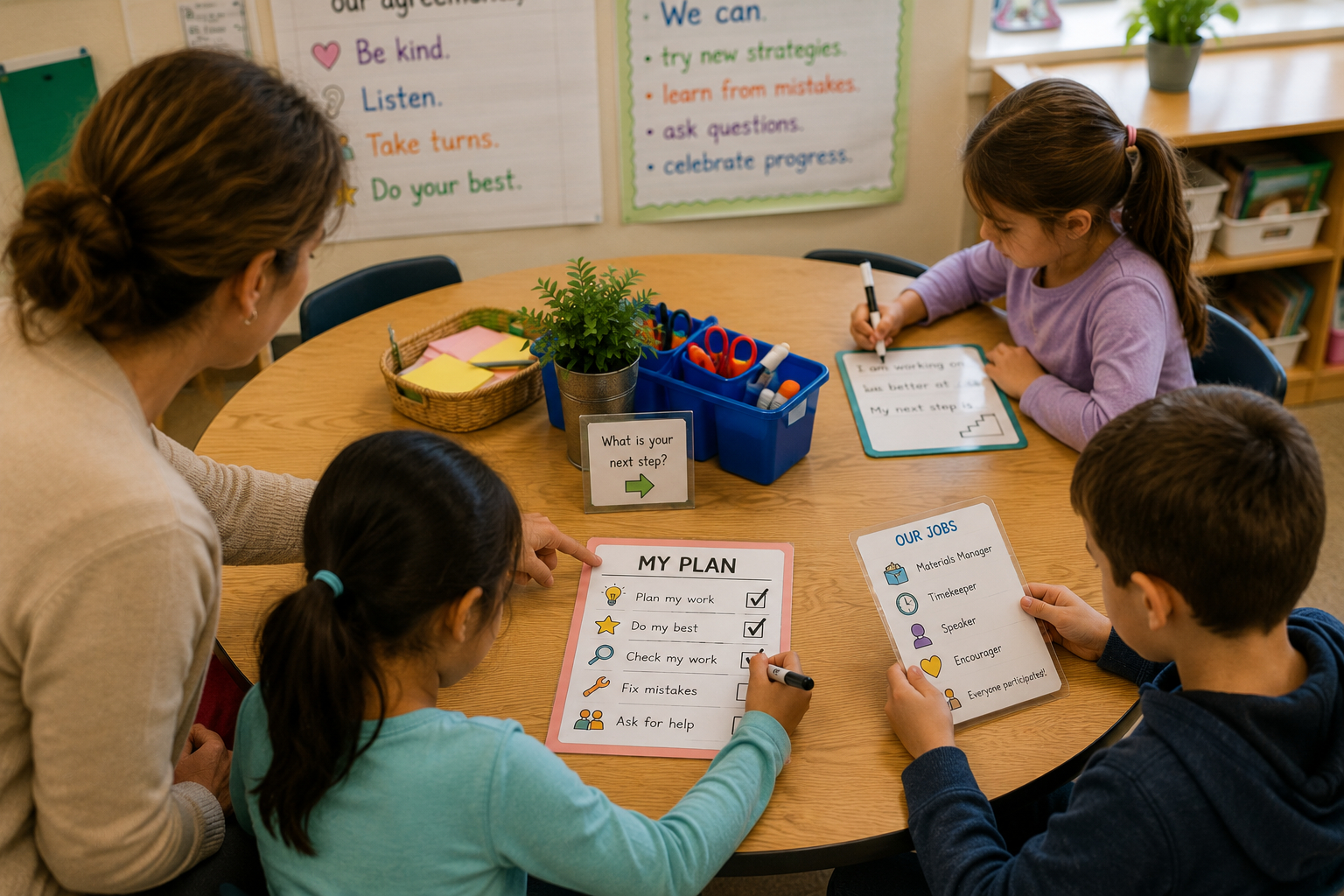
Checklists are a simple, reliable tool teachers can use to scaffold student independence without adding planning overhead. When designed with clarity, they reduce decision fatigue and clarify expectations for learners. Small, repeatable lists help students monitor their own progress and practice metacognitive habits. This article outlines practical checklist designs and steps for classroom implementation that preserve teacher time while building student agency. Examples and templates described here are adaptable to multiple subjects and grade levels.
Why Checklists Help
Checklists translate complex tasks into manageable steps, which helps students focus on process instead of guessing the next move. They make implicit criteria explicit, so learners can self-assess and correct errors before seeking help. For diverse learners, checklists offer predictable structure that supports memory and independence. Over time, consistent use turns external prompts into internal routines.
Teachers can use brief checklists to scaffold initial performance and then gradually remove items as competence grows. This fading supports transfer and confidence.
Designing Classroom Checklists
Effective checklists are short, written in student-friendly language, and focused on observable actions rather than vague qualities. Limit each checklist to five to seven items that represent the essential steps of a task. Include prompts for planning, checkpoints for accuracy, and a final reflection or tidy-up step. Visual cues or icons can make lists faster to scan for younger students or multilingual classrooms.
- Keep language concise and action-oriented.
- Use checkboxes or quick marks for tracking.
- Review and revise items with student input.
Pilot checklists with a small group to refine wording and sequencing. Iteration ensures they fit specific classroom routines.
Implementing Checklists Daily
Introduce checklists during modeling, think-alouds, and guided practice so students learn how to use them. Pair checklists with brief self-assessment moments, such as a two-minute exit review, so learners practice monitoring their work. Encourage peer use in collaborative tasks to normalize checking and reduce reliance on the teacher. Track checklist use in a simple log to notice patterns and plan targeted instruction.
Consistent routines make checklists part of the classroom culture rather than an add-on. Over weeks, students internalize the steps and require less direct prompting.
Measuring Impact and Adjusting
Collect quick data on checklist use, such as frequency of completion and common skipped items, to inform instruction and support. Review this evidence weekly to identify trends, gaps, or misconceptions that recur across students. Use student reflections to understand whether items are clear and useful, and adjust language accordingly. Small changes to ordering or phrasing can increase uptake and reduce confusion.
Regularly revisiting checklist design makes them more precise and effective. Over time, the evidence will show whether autonomy and accuracy are improving.
Conclusion
Incorporating brief, student-centered checklists reduces ambiguity and builds sustainable independence. Start small, iterate with student feedback, and remove supports as competence increases. With routine use, checklists become a quiet structure that amplifies learning and autonomy.