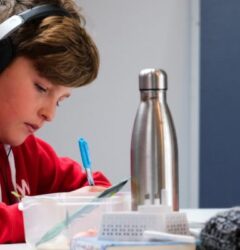
Students who build a compact, personal study ecosystem can manage learning more effectively. Teachers can guide that design with small, repeatable choices rather than prescriptive programs. A focus on portability, feedback, and reflection helps learners apply skills across contexts. This article outlines practical steps teachers can use to support student-built study systems.
Define Core Learning Habits
Start by helping students identify two to four core learning habits they will practice regularly, such as previewing material, setting intent, or quick retrieval. Encourage them to choose habits that are observable and portable between subjects so routines generalize. Use simple prompts and modeling during class to make each habit concrete and manageable. Over time, these core habits become a shared vocabulary for planning and assessment.
Short, specific habits reduce decision fatigue and make practice repeatable. They also provide a stable foundation for more complex skills.
Design Simple, Portable Routines
Design routines that students can carry beyond the classroom: a three-minute warm-up, a one-page study template, or a two-step revision checklist. Keep materials low-tech so students can adapt them to different environments and devices. Invite students to personalize elements—timing, language, or examples—so routines feel like their own work. Small, portable rituals are more likely to survive transitions between teachers and courses.
- Three-minute cognitive warm-up: recall and set a goal.
- One-page study template: questions, summary, next steps.
- Revision checklist: identify error types and target one fix.
These tangible artifacts help students execute routines independently. They also serve as easy coaching points during conferences.
Use Small Feedback Loops
Embed micro-feedback loops so learners can quickly assess progress and adjust actions. Quick self-checks, peer signals, or brief teacher notes let students iterate without waiting for formal grades. Data from these loops should be formative and focused on how students used their routines rather than only final scores. This reframes mistakes as information for the next short cycle.
Frequent, low-stakes feedback accelerates skill acquisition and builds confidence. It encourages learners to experiment within their study ecosystems.
Scale Through Reflection and Revision
Schedule periodic reflection checkpoints where students review what worked, what didn’t, and what to try next. Prompt them with structured questions and a simple change plan they can test for a week. Encourage small experiments instead of wholesale overhauls to preserve momentum and gather evidence. Use class time to share examples so students borrow ideas and normalize revision.
Scaling through iteration keeps systems adaptive and relevant. Over time students build libraries of tested approaches they can reuse.
Conclusion
Equipping learners to build personal study ecosystems shifts responsibility from instruction to practice. Small, portable habits combined with rapid feedback and reflection create durable learning routines. With teacher guidance, students can design, test, and sustain strategies that travel with them.