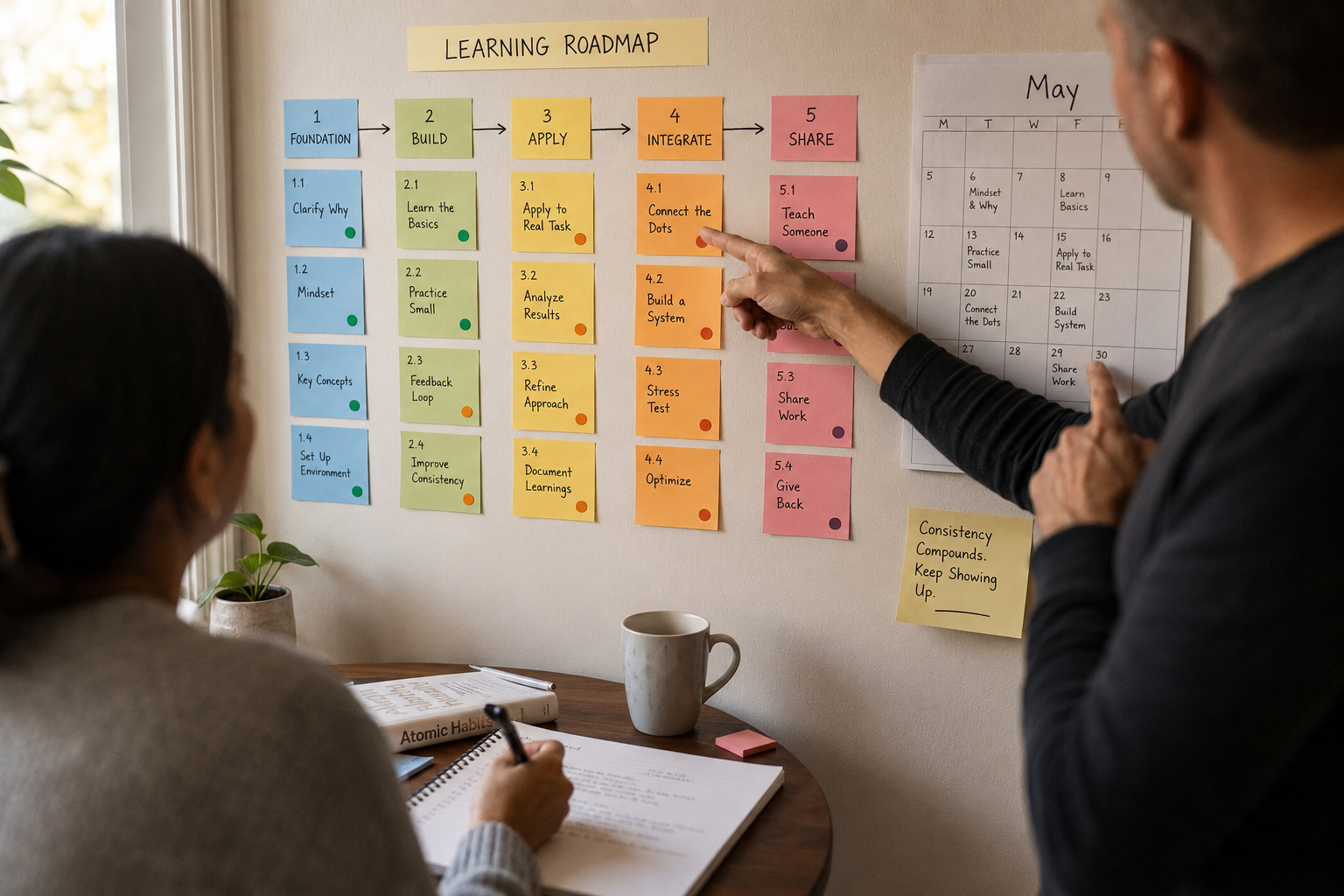
Adult learners juggle work, family and study commitments, so course structure matters more than ever. A clear progression reduces friction and helps learners translate small efforts into steady gains. Thoughtful sequencing also supports motivation by making next steps obvious and achievable. This article outlines practical design choices that promote consistent progress for busy students.
Why structured progression helps learners
When learners can see a logical sequence of tasks, they experience less decision fatigue and more momentum toward goals. Structure fosters confidence because each completed step validates competence and clarifies what comes next. Predictable rhythms also make it easier to form study habits around short, recurring sessions. Ultimately, a structured path turns vague intentions into repeatable actions and measurable outcomes.
Designers should prioritize clarity and short-term wins to build trust. A consistent cadence signals progress and keeps learners returning to the course.
Designing micro-steps and checkpoints
Break content into bite-sized steps that take 10–30 minutes to complete, and pair each step with a low-stakes checkpoint. These small assessments serve as both practice and progress markers without overwhelming learners. Checkpoints can be reflective prompts, brief quizzes, or micro-projects tied to real-world tasks. The key is to balance skill development with frequent opportunities for demonstration and feedback.
- Create tasks that fit into common daily time windows.
- Use checkpoints to celebrate mastery of a specific skill.
- Keep assessments focused and actionable.
Micro-steps and checkpoints should be visible on the learner’s map. That visibility reinforces momentum and reduces uncertainty about next actions.
Balancing autonomy with gentle nudges
Adult learners value choice but often benefit from subtle guidance that reduces overwhelm. Offer flexible pathways while recommending a default route for those who prefer clear direction. Use reminders, estimated time labels, and suggested sequences to support decision-making without removing autonomy. Gentle nudges maintain agency while preventing analysis paralysis that stalls progress.
Provide optional branching for advanced learners and a streamlined core path for those seeking efficiency. This hybrid approach respects different motivations and schedules.
Testing, feedback loops, and iteration
Collect short-cycle feedback on the clarity and pacing of each module to spot friction early. Analytics on time-to-complete and checkpoint pass rates reveal where learners hesitate. Combine quantitative data with brief learner surveys to understand why certain steps cause drop-off. Use small experiments to refine sequencing, task length, and feedback cadence over time.
Iteration should focus on reducing bottlenecks and increasing predictability. Regular tweaks keep the learning path responsive to real learner needs.
Conclusion
Clear, progressive learning paths convert sporadic effort into steady achievement. Design micro-steps, visible checkpoints, and gentle guidance to sustain momentum. Iterate with learner data to keep courses effective and manageable.