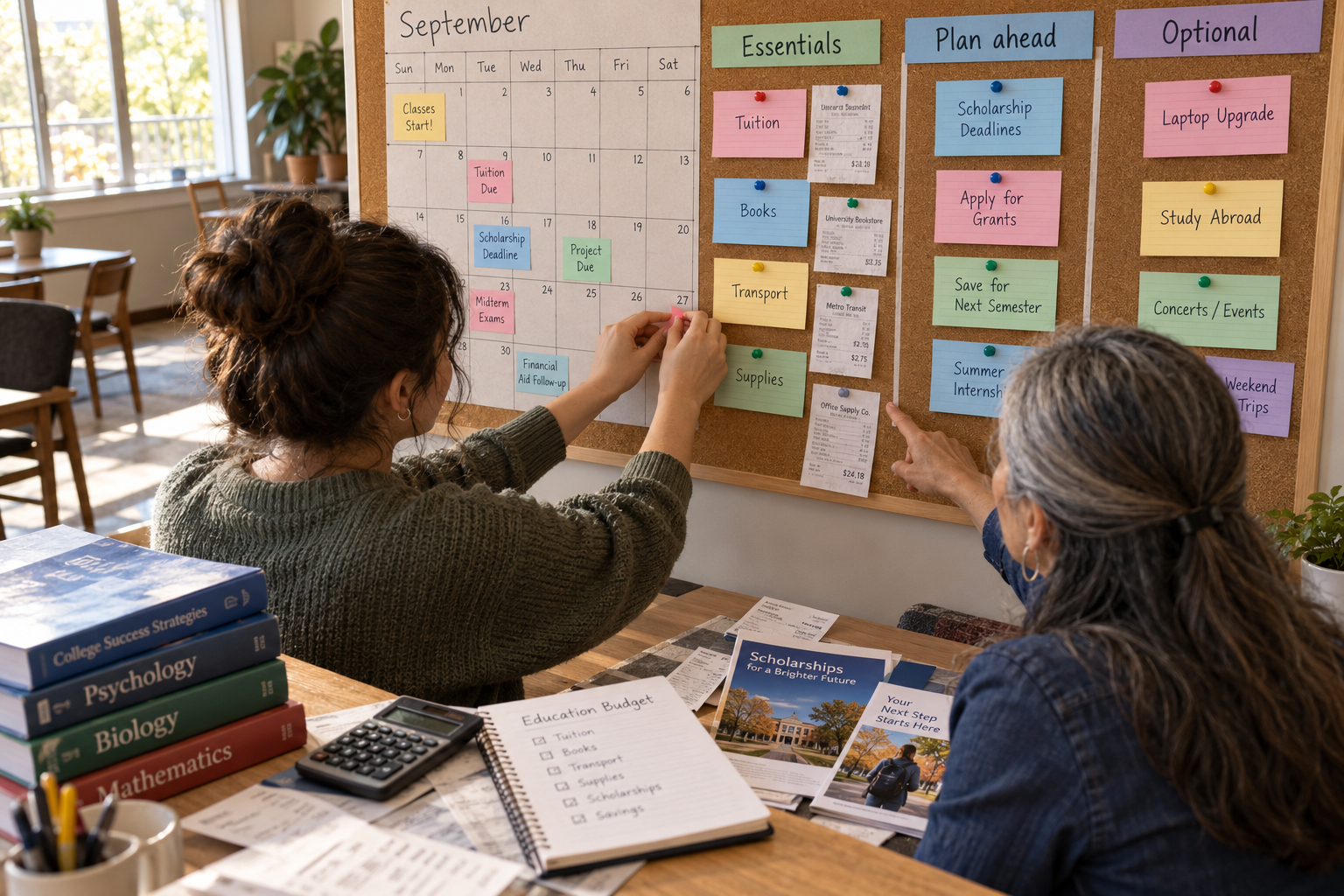
Education costs can feel unpredictable and overwhelming for learners and planners alike. A structured approach helps turn uncertainty into manageable steps. This framework focuses on realistic budgeting, goal alignment, and pragmatic choices. Adopting these habits reduces stress and improves long-term learning outcomes.
Start by mapping direct and indirect expenses associated with a learning path. Include tuition, materials, travel, technology, and the opportunity cost of time. Forecast costs across the entire program, not just initial fees, to avoid surprises. Sensitivity testing — adjusting estimates by 10–20% — helps reveal potential budget gaps. Factor in likely price increases and plan for equipment refreshes.
Accurate assessment guides realistic decision-making. It provides a baseline for comparing alternatives.
Prioritizing Learning Goals
Clarify what skills or credentials will deliver the greatest return on investment. Rank courses by relevance, duration, and demonstrable outcomes such as job placement or certification. Use these rankings to limit spending on low-impact options. Seek input from mentors or industry advisors to validate the ranking.
Prioritization ensures every dollar contributes to a clear objective. It also makes trade-offs simpler when budgets tighten. Revisiting priorities annually keeps budgets aligned with outcomes.
Funding and Support Options
Explore grants, scholarships, employer tuition assistance, and flexible payment plans to stretch resources. Consider low-cost alternatives like open educational resources, community workshops, and mentoring to fill knowledge gaps. Blending funding sources reduces reliance on any single option. Also evaluate the timing of disbursements to ensure funds align with key milestones.
- Employer assistance: negotiate tuition support or study leave.
- Scholarships and grants: search targeted awards for fields or demographics.
- Low-cost pathways: certificates, online courses, and library resources.
Combining several support streams can dramatically lower out-of-pocket costs. Research and persistence often unlock opportunities that are not immediately obvious. Set reminders to revisit scholarship deadlines and employer policies regularly.
Tracking Progress and Adjusting
Set measurable milestones tied to learning outcomes and budget checkpoints. Review spending monthly and compare it to the original forecast to detect creeping costs. When priorities shift, reallocate funds toward the highest-value activities and pause or drop lower-priority items. Building a buffer of contingency funds reduces the need for abrupt changes. Document lessons learned so future planning begins with better assumptions and lower risk.
Regular reviews keep plans realistic and responsive. They also improve confidence for stakeholders and learners. Make changes promptly to avoid accumulated inefficiencies.
Conclusion
Thoughtful planning converts education expenses into strategic investments. Use clear assessments, prioritized goals, diverse funding, and regular reviews. These practices create sustainable learning pathways and better financial outcomes.