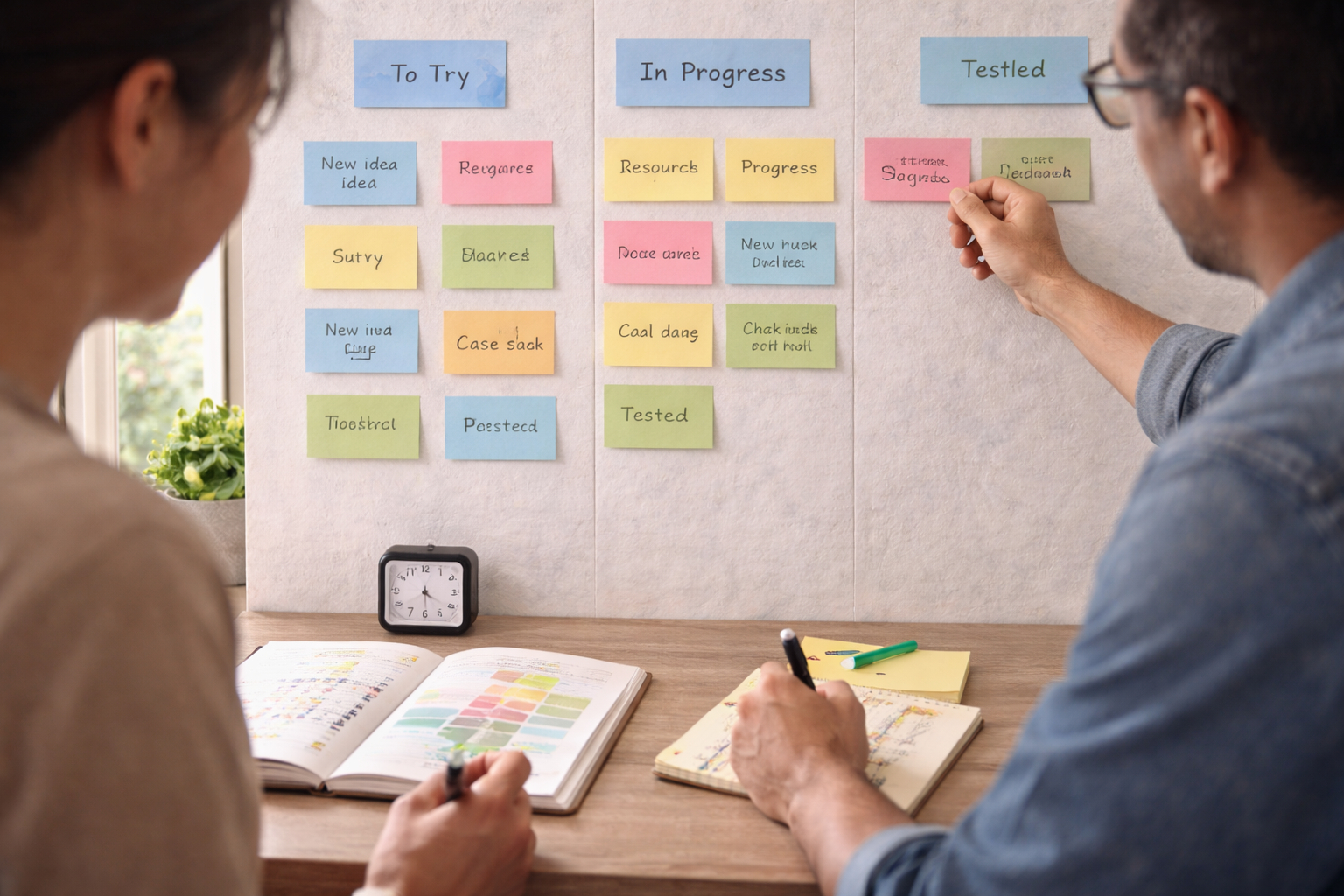
Making purposeful career decisions depends on a clear process more than on inspiration alone. This article outlines a simple three-step approach you can apply whether you’re refining skills, changing roles, or testing a new direction. Each step—assess, experiment, commit—reduces risk and creates measurable progress. Use these ideas to design small, repeatable actions that align learning with real work outcomes.
These steps are deliberately practical and adaptable for different timelines and industries. They work equally well for short exploratory efforts or longer strategic shifts.
Assess Your Starting Point
Begin by clarifying where you are now: skills, responsibilities, and the gaps between current output and desired roles. Inventory recent projects, feedback, and measurable outcomes so you can compare options objectively. Define a short list of target skills or capabilities that would move you toward a specific role or responsibility. Prioritization criteria such as impact, transferability, and time-to-proficiency help narrow choices.
After this assessment, you should have two or three clear experiments to try. These should be small enough to complete in weeks, not months.
Experiment Quickly and Intentionally
Design experiments that test whether a skill or role suits you and yields value for stakeholders. Examples include a short project, a shadowing week, a micro-course with an applied assignment, or volunteering for a stretch task. Treat each experiment like a hypothesis: set a specific outcome, timebox the work, and capture evidence that shows learning and impact. This keeps exploration focused and reduces sunk-cost bias.
- Timebox: 2–6 weeks for a single experiment.
- Measure: define one or two outcomes to track.
- Share: gather feedback from peers or a mentor.
Document what you learn and decide whether the skill is worth pursuing further. If results are mixed, iterate with a modified experiment.
Commit and Measure Progress
When an experiment shows promise, convert it into a committed learning plan tied to work outcomes. Allocate recurring time, select resources, and identify projects that let you apply new skills. Establish simple metrics—project milestones, performance feedback, or deliverables—that indicate progress and keep motivation high. Regular reviews, ideally monthly, let you adjust scope and ensure continued alignment with goals.
Commitment doesn’t mean all-or-nothing; it means integrating development into your workflow so growth compounds. Keep a cadence of experiments to refresh focus and avoid stagnation.
Conclusion
Applying assess, experiment, commit turns vague ambitions into concrete actions and evidence. Small, measurable experiments reduce risk while revealing high-impact directions. Over time, this disciplined cycle builds a clearer, more resilient career path.
Related Articles



Recent Posts

Structured Student Planning for Consistent Independent Learning
Chunked Task Planning to Strengthen Student Focus and Progress
Scaffolding Choice: Building Student Skill Through Small Decisions
Turning Work Routines into Strategic Career Momentum
Design Intentional Work That Demonstrates Career Potential


