Planning a sustainable career means combining purpose, skills, and practical habits that support steady progress. It requires regular reflection on strengths and realistic goals, as well as a willingness to learn and adapt. A clear strategy reduces scatter and helps prioritize time and energy for meaningful development. This article outlines actionable steps to build long-term momentum without burning out.
Clarify your long-term objectives
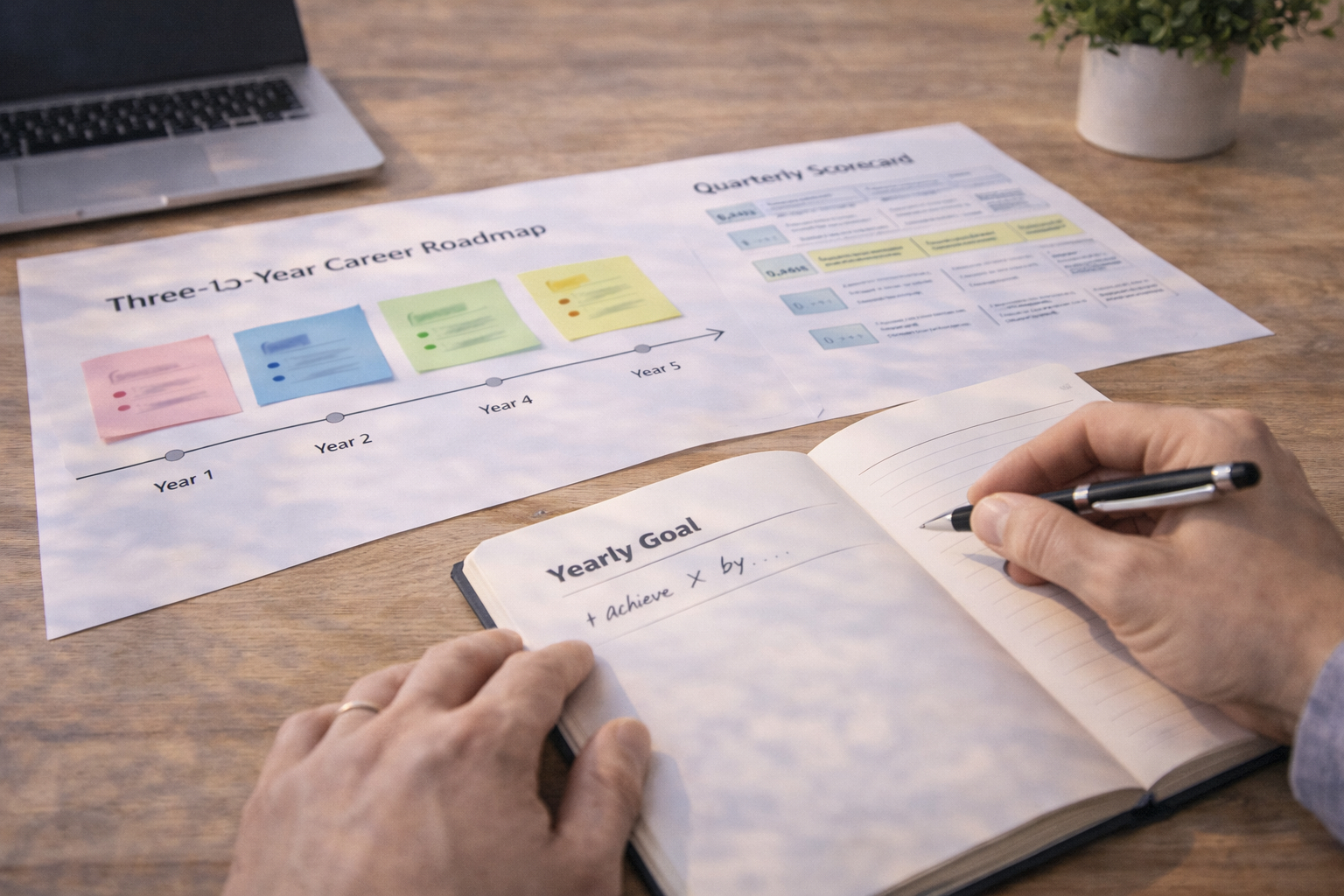
Begin by defining what success looks like for you in three to five years, then map how that aligns with your values and lifestyle preferences. Break big objectives into milestones that are measurable and time-bound so progress becomes visible and motivating. Revisit goals periodically to ensure they reflect new information or shifting priorities.
- Set one professional and one personal milestone for each year.
- Use a simple scorecard to track progress quarterly.
Keeping objectives specific and revisable prevents stagnation and keeps choices intentional. Small, consistent wins compound into significant career shifts over time.
Design a focused skills roadmap
Identify high-impact skills that directly support your goals and prioritize learning those first. Balance technical competencies with transferable strengths such as communication, problem solving, and project management. Choose learning formats that fit your schedule, whether short courses, mentorship, or hands-on projects that reinforce knowledge through practice.
Allocate regular time for skill development and measure gains through concrete outcomes, like completed projects or certifications. A focused roadmap avoids the trap of chasing trends without building depth.
Expand professional network and visibility
Networking is an intentional activity that broadens opportunity and feedback channels, so approach it with clear intents and follow-up habits. Build relationships around shared interests and mutual value rather than transactional exchanges. Regularly contribute insights in forums, presentations, or publications to increase visibility and credibility.
- Schedule monthly outreach to peers, mentors, or collaborators.
- Share work samples or thoughtful commentary on relevant platforms.
Consistent, genuine engagement grows a network that supports career transitions and opens doors to new roles. Visibility coupled with substance strengthens your professional reputation.
Maintain balance and adapt to change
Resilience comes from balancing ambition with self-care practices that sustain energy and focus over the long term. Build routines for rest, learning, and reflection so change feels manageable rather than disruptive. When industries shift, update your roadmap and transfer your core strengths to emerging contexts.
Adapting deliberately reduces reactive stress and keeps momentum steady through transitions. A balanced approach ensures you can pursue growth without sacrificing health or relationships.
Conclusion
Creating a sustainable career strategy combines clear goals, focused learning, and genuine relationships to produce long-term progress. Regular review and small adjustments keep the plan relevant as circumstances evolve. With steady habits and intentional choices, career growth becomes manageable and rewarding.