Sustaining career momentum requires deliberate effort and adaptable strategies that align with evolving workplace demands. Whether aiming for a promotion, a role change, or deeper technical and leadership expertise, a clear plan helps you focus learning and measure progress. This article outlines practical approaches to assess skills, create consistent learning habits, and expand professional networks to unlock opportunities. Implementing small, measurable steps consistently accelerates growth while keeping development manageable alongside daily responsibilities.
Assess Your Skills and Goals
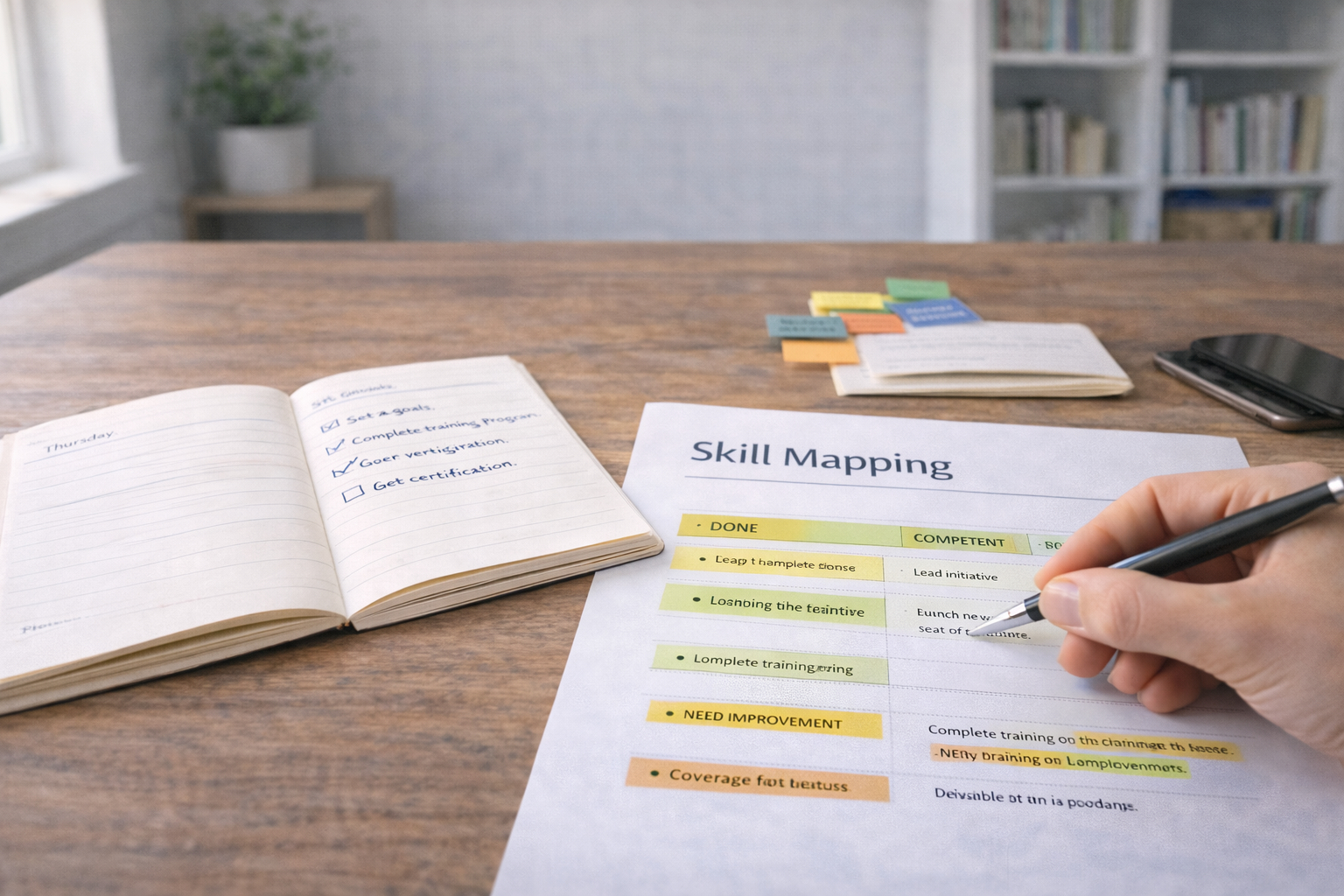
Begin by conducting a candid skills inventory and mapping it against short- and long-term career goals and responsibilities. Solicit feedback from peers, managers, or mentors to expose blind spots, validate strengths, and uncover opportunities for stretch work. Research role expectations, competency frameworks, and industry benchmarks to identify gaps you can realistically close with focused effort. Prioritize areas that yield the highest impact for your current trajectory and for skills that are transferable to future roles.
- Self-audit with recent projects.
- Collect performance feedback.
- Compare against job descriptions.
Set measurable milestones, deadlines, and learning indicators to track progress. Break larger goals into monthly and weekly targets to maintain momentum. Revisit this assessment every few months and adjust your focus as priorities shift.
Build a Sustainable Learning Routine
Consistent learning beats sporadic bursts when it comes to long-term skill retention and confidence. Break goals into weekly, monthly, and quarterly tasks, and schedule short study sessions that reliably fit your calendar. Blend formats — curated reading, online courses, hands-on projects, and mentorship — to reinforce understanding from different angles and contexts. Use small real-world assignments, experiments, or case studies to apply new techniques and build a compelling portfolio of outcomes.
- Microlearning modules
- Project-based practice
- Regular reflection logs
Automate reminders, block dedicated time, and treat learning appointments like client meetings. Track progress with simple metrics so you can celebrate small wins and correct course. Over time, consistent effort compounds into demonstrable capability and confidence.
Expand Your Network and Practical Experience
Relationships and applied experience often open doors faster than credentials alone, and they reveal how your skills translate on the job. Attend focused events, contribute to collaborative projects, publish short case summaries, and seek stretch assignments that expose you to higher-level responsibilities. Offer value first by sharing insights, resources, or by volunteering for small contributions that demonstrate competence and reliability. Maintain contact with a diverse network and cultivate mentorship relationships to surface opportunities and receive timely career advice.
- Join active interest-based professional groups
- Seek regular mentorship conversations
- Volunteer for cross-functional projects
Treat networking as a two-way exchange; provide help before asking for favors and always follow up. Keep a simple tracker of contacts, topics, and next steps to make outreach manageable. Practical experience accelerates learning and makes your resume and case stories far more persuasive during interviews.
Conclusion
Career development is a steady, intentional process that combines assessment, learning, and relationship-building. Small habits and measurable goals create momentum and clarity about next steps. Commit to regular review and adapt your plan as your ambitions evolve.