Planning a long-term career requires more than ambition; it needs a clear framework that adapts as roles and industries evolve.
A sustainable plan balances immediate goals with skills that remain valuable across contexts.
This approach reduces stress from sudden changes and increases confidence when opportunities arise.
The following sections outline practical steps to create and maintain such a plan.
Assess Your Starting Point
Begin by taking stock of current strengths, gaps, and preferences to form a realistic baseline for growth. Use a simple skills inventory to document technical abilities, soft skills, and experiences you enjoy. Reflect on recent feedback and performance notes to identify patterns rather than isolated issues. Aim for clarity about where you are now and where you want to move next.
- List core competencies and rate confidence in each.
- Note recurring feedback from peers or managers.
- Identify tasks that energize you and those you avoid.
With a clear snapshot, you can prioritize efforts that bridge gaps without spreading yourself too thin. This assessment becomes the reference point for measuring progress over time.
Design a Skills Roadmap
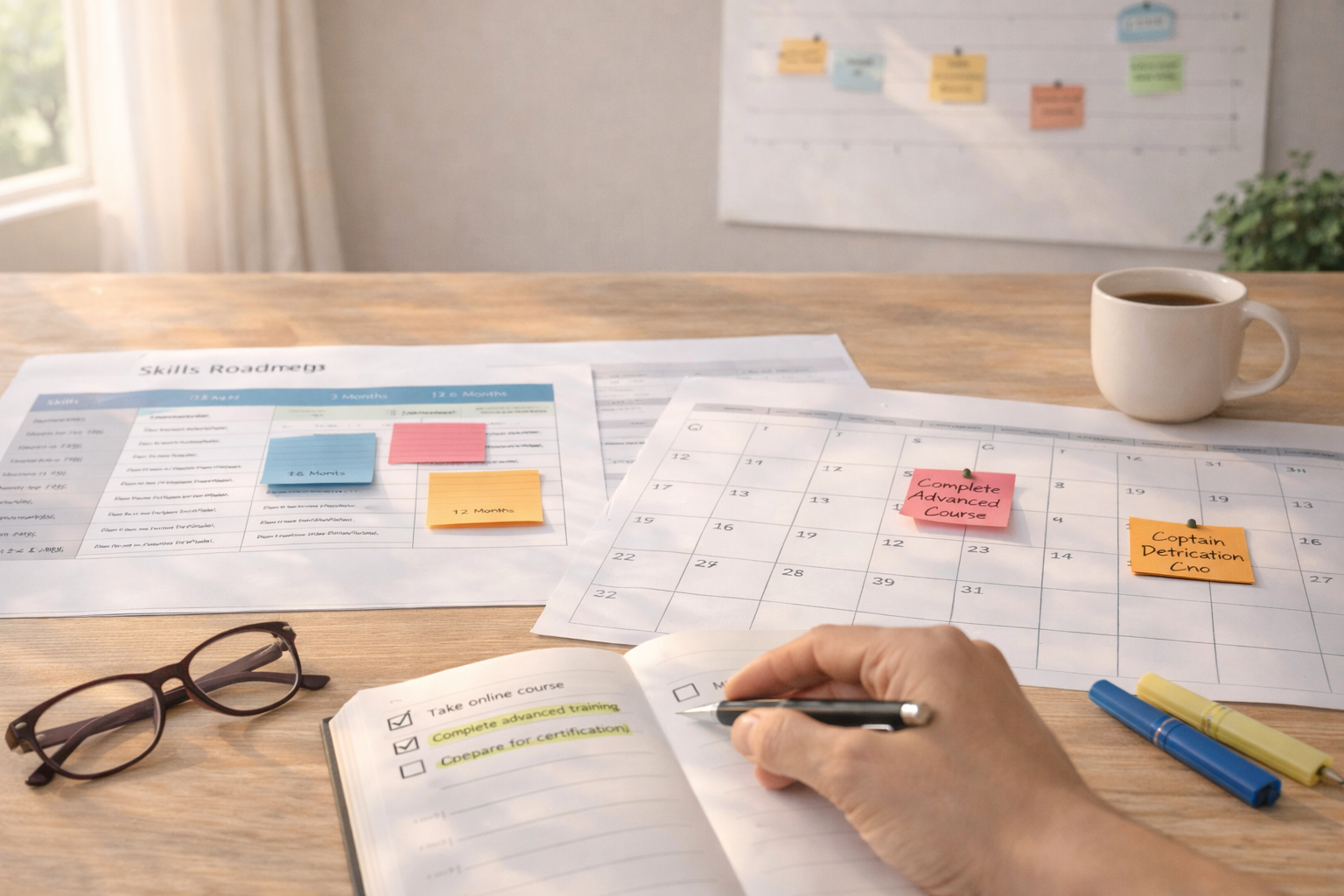
Translate your assessment into a practical roadmap that sequences learning and experience. Break larger goals into quarterly or monthly milestones that combine training, projects, and mentoring. Include transferable skills—communication, problem solving, and project management—that increase mobility across roles. Ensure each milestone has a measurable outcome, such as a portfolio piece, certification, or completed project.
- Create 3–6 month learning sprints focused on one or two skills.
- Pair online courses with real-world applications to reinforce learning.
Regularly review and adjust the roadmap as you gain insights or as priorities shift. This iterative approach keeps development aligned with real career opportunities.
Build Support Systems and Habits
Consistency matters more than intensity when developing a career plan that lasts. Establish small, repeatable habits—weekly networking outreach, monthly skill reviews, and dedicated learning blocks—to sustain momentum. Cultivate relationships with mentors and peers who can offer perspective and accountability. Use simple tools to track time spent on growth activities and celebrate incremental wins.
- Schedule focused learning blocks in your calendar.
- Set reminders for reflection and progress updates.
These systems reduce decision fatigue and ensure steady forward motion. Over time, compounding small efforts creates meaningful career shifts.
Conclusion
Adopting a sustainable plan transforms career uncertainty into manageable steps.
Small, consistent actions compound into significant progress over years.
Make the roadmap yours, revisit it regularly, and adapt as you grow.