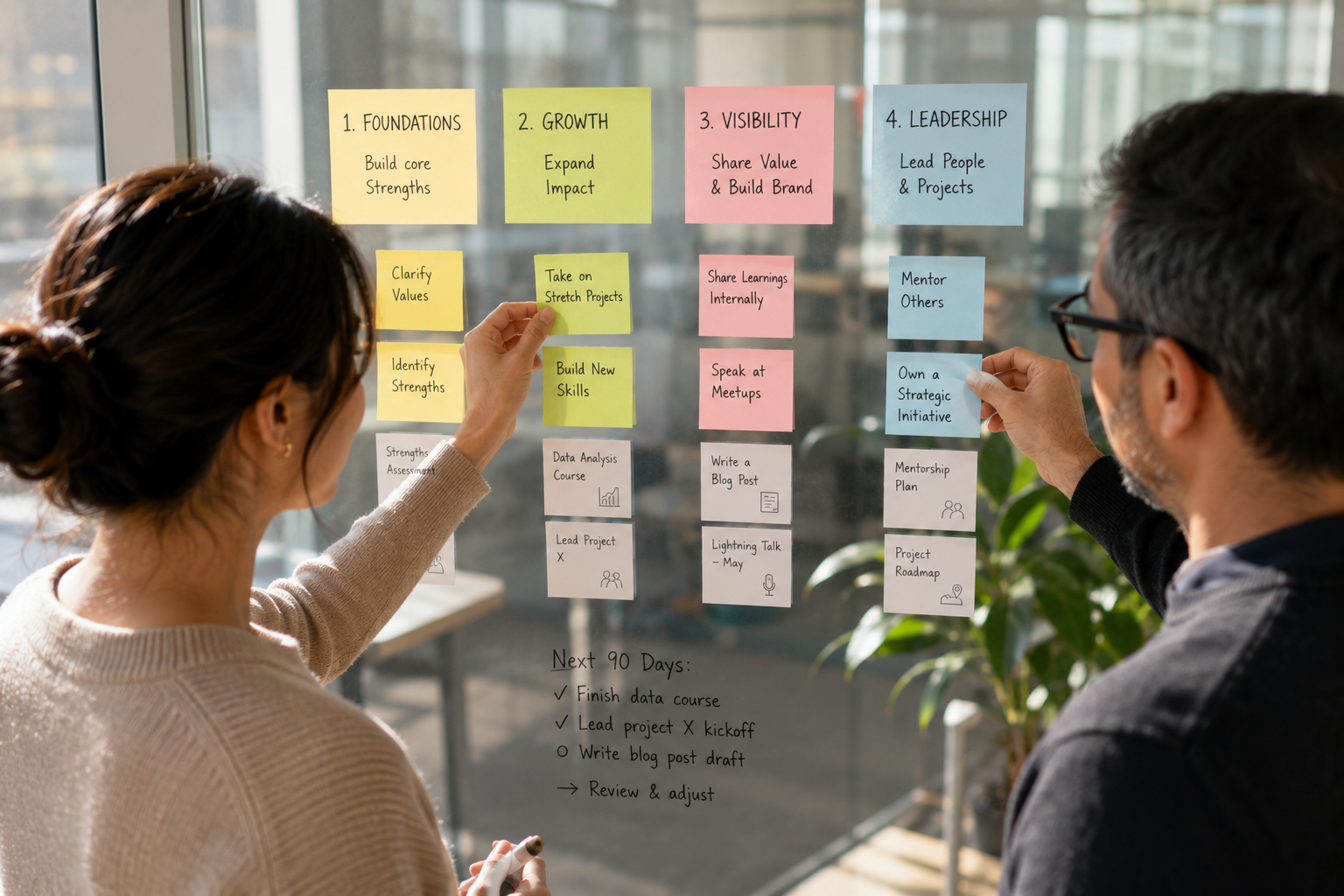
Careers evolve rapidly as technology, market demands, and organizational models change at an accelerating pace. Staying adaptable requires clear priorities, deliberate skill building, and a network that surfaces opportunities and perspectives. This article outlines practical approaches you can use to make your career more resilient, marketable, and aligned with long-term goals. Apply these ideas to move from reactive job changes to intentional, steady professional growth.
Assess Your Transferable Skills
Begin by mapping the skills that apply across roles and contexts, separating domain-specific knowledge from broadly useful abilities. Include technical capabilities as well as communication, problem solving, project management, and analytical thinking when you assess your toolkit. Use a simple inventory to identify strengths, gaps, and the skills that would provide the most leverage for next-step roles.
This clarity helps you prioritize learning time and creates a compelling narrative for recruiters and hiring managers.
- Technical: tools, platforms, and methodologies you use daily.
- Interpersonal: communication, leadership, and collaboration skills.
- Analytical: data interpretation, synthesis, and decision-making processes.
Document concrete examples that demonstrate each skill, ideally with measurable outcomes and context that explains your role. Keep these examples ready for resumes, interviews, and performance conversations to accelerate recognition of your value.
Build Strategic Networks
Networking remains one of the highest-impact activities for career development because relationships open doors to information, mentorship, and opportunities that are rarely public.
Prioritize depth over breadth by cultivating a handful of meaningful connections across functions and experience levels who can offer diverse perspectives. Engage with professional communities, contribute insightfully at events or online, and be consistent about reaching out with value rather than requests alone. This approach turns contacts into collaborators and allies who will support your growth over time.
- Mentors and advisors who can guide long-term decisions and offer candid feedback.
- Peers and collaborators who provide mutual support, referrals, and partnership opportunities.
Schedule periodic check-ins and share useful resources to keep relationships active and reciprocal. Small, regular gestures maintain visibility and trust without overwhelming your network.
Cultivate Continuous Learning Habits
Adopt learning routines that align with your career objectives and the time you realistically have available each week. Blend structured coursework with hands-on projects and microlearning to convert new knowledge into demonstrated capability quickly. Reflect regularly on what’s working, adjust goals quarterly, and prioritize learning that directly supports your targeted roles or responsibilities. This mix of planning and experimentation makes learning both manageable and impactful.
- Set quarterly learning objectives tied to specific role outcomes.
- Practice new skills through small projects or cross-functional collaborations.
- Reflect, measure, and iterate to ensure progress translates into performance.
Think of continuous learning as an investment that compounds: repeated small improvements produce significant advantage over time. With disciplined habits, you’ll be ready to seize opportunities and navigate transitions with confidence.
Conclusion
Future-proofing a career is an intentional process built on assessment, relationships, and disciplined learning. Assess transferable skills, cultivate strategic networks, and maintain consistent learning routines as part of your regular workflow. These practices reduce friction during transitions and make long-term advancement more reliable and predictable.