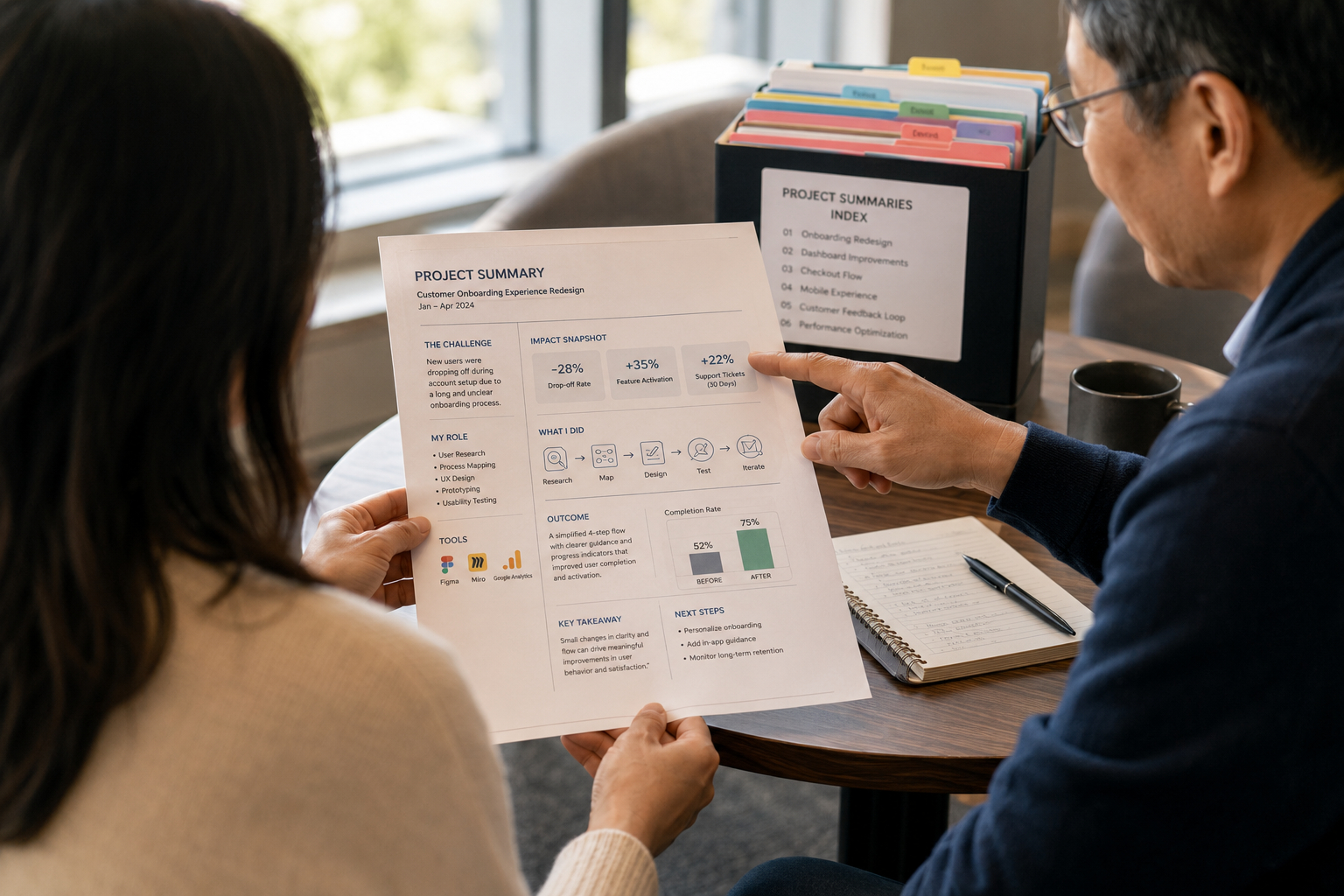
Many professionals overlook how their daily outputs translate into career evidence. Packaging outcomes into concise, review-ready artifacts makes achievements visible and actionable. Small, structured summaries help reviewers quickly assess impact and relevance to new roles. This article outlines a practical method to prepare those packages efficiently.
Why concise work packages matter
Hiring managers and internal reviewers often spend only minutes evaluating candidates, so clarity matters. A compact package reduces friction by highlighting outcomes, decisions, and measurable results without requiring deep dives. It shows not just what you did but why it mattered, which is the signal reviewers use to predict future performance. Clear packaging also creates repeatable artifacts you can reuse across applications and performance conversations.
When you present work as evidence, you control the narrative and reduce misinterpretation. Small packages make it easier for colleagues to share, endorse, and amplify your contributions. Over time, a library of these summaries builds a credible, searchable record of impact.
How to build a compact project summary
Start with a one-line headline that states the outcome and context, then follow with a brief problem statement that explains the need you addressed. Summarize the approach in two sentences focused on your role and key choices, and include a concise metric or qualitative result that demonstrates impact. Limit technical detail to one short paragraph linked to an appendix or repository for reviewers who want depth.
- Headline: outcome + context (one line)
- Problem: why it mattered (one short paragraph)
- Result: measurable or observable impact (one line)
Keep each summary to one page or a single slide. Use consistent headings across summaries so reviewers can scan and compare work quickly.
Presenting packages to hiring managers and reviewers
Tailor the emphasis based on your audience: emphasize metrics for data-oriented roles, stakeholder influence for leadership roles, and design decisions for product or creative roles. When you share a package, include a one-paragraph cover note that connects the artifact to the role or promotion criteria. Offer links to supplemental materials and be ready to speak to trade-offs and alternatives during follow-up conversations.
Use a simple folder or digital index to organize packages by skill cluster or role relevance. Regularly refresh items with updated outcomes and remove dated or low-impact entries to keep your portfolio lean and persuasive.
Conclusion
Packaging work outcomes into compact, consistent summaries makes career evidence easy to find and evaluate. Small, repeatable artifacts help you control your professional story and accelerate decisions. Start by creating one clear package this week and build from there.