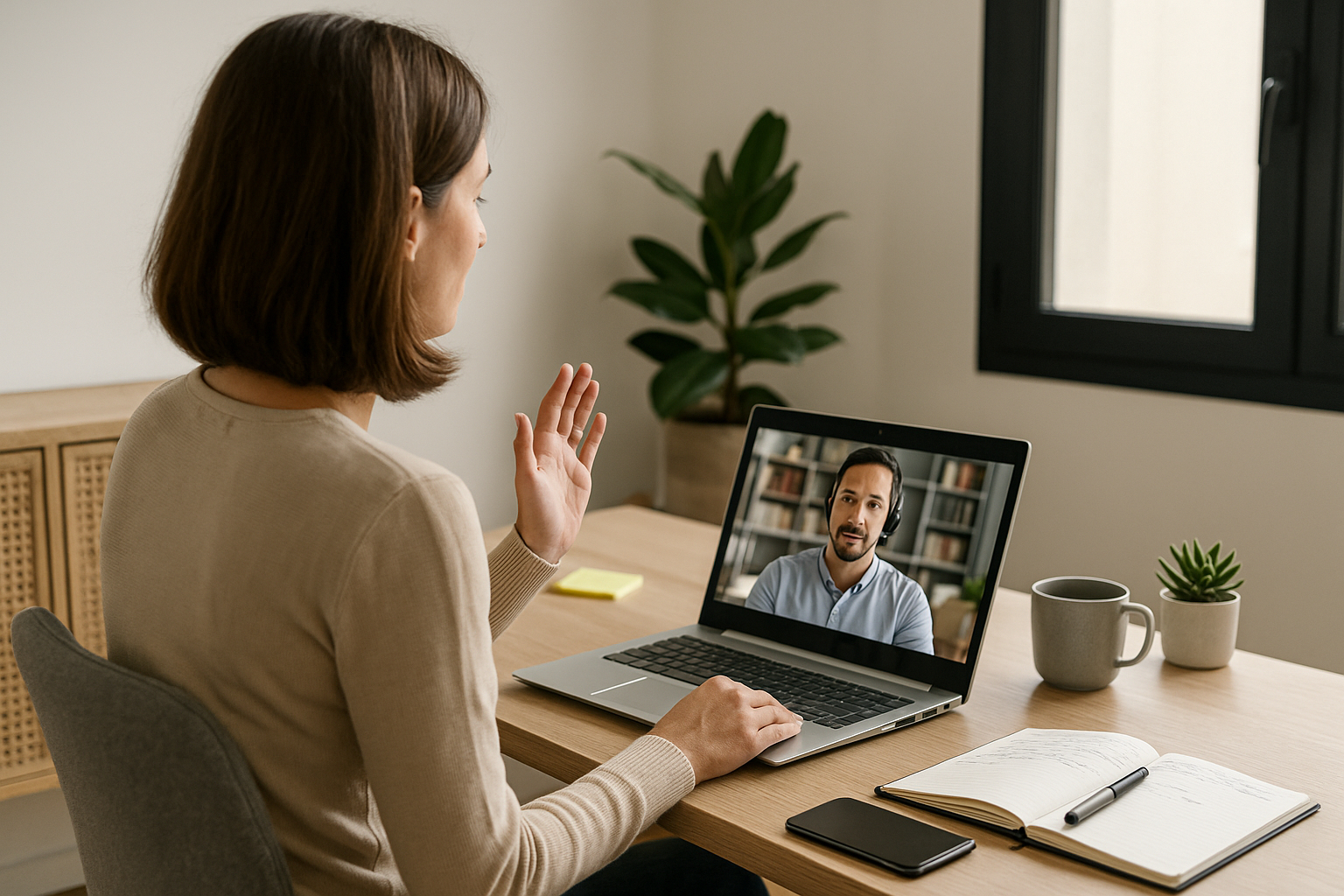
The shift toward remote and hybrid work has reshaped how people build their careers, collaborate with teams, and balance their personal lives. What began as a temporary solution has evolved into a long-term transformation that continues to influence workplaces across industries. As employees gain more flexibility and companies rethink traditional structures, hybrid careers are becoming the new standard. Understanding how to thrive in this blended environment can help professionals stay competitive while maintaining a healthier lifestyle.
Why Hybrid Work Is Becoming the Norm
Hybrid work appeals to both employees and employers for different reasons. For workers, it offers the freedom to design schedules that match their energy levels, obligations, and personal preferences. For organizations, hybrid models reduce overhead costs, expand talent pools, and boost retention. This balance allows companies to remain agile while giving employees greater control over when and where they work. As a result, hybrid work is becoming a lasting feature of modern professional life.
Finding the Right Balance Between Home and Office
One of the biggest challenges in hybrid careers is crafting a routine that accommodates varied work settings. Employees must learn how to shift seamlessly between focused remote tasks and in-person collaboration. Establishing a structured home workspace, planning office days with purpose, and prioritizing communication help create stability amid changing environments. This intentional approach ensures productivity without sacrificing flexibility.
Building Strong Connections in a Blended World
Hybrid work requires new strategies for staying connected. Since face-to-face interactions happen less frequently, communication must be more thoughtful and deliberate. Video calls, messaging apps, and shared digital platforms help bridge the gap, but meaningful collaboration still depends on clarity, empathy, and consistent engagement. Professionals who adapt to these new communication styles tend to build stronger teams and maintain effective working relationships.
Growing Your Career in a Hybrid Model
As hybrid work evolves, career development also takes on new dynamics. Professionals must be proactive in showcasing their contributions, staying visible to leadership, and seeking growth opportunities. Virtual mentorship, online training, and intentional networking can help employees continue advancing even when they’re not in the office full-time. By embracing self-management and continuous learning, hybrid workers can shape career paths that align with their long-term goals.
Conclusion
Hybrid careers represent a powerful blend of flexibility, productivity, and autonomy. By mastering communication, balancing work environments, and staying proactive about growth, professionals can thrive in this new era of remote work.