
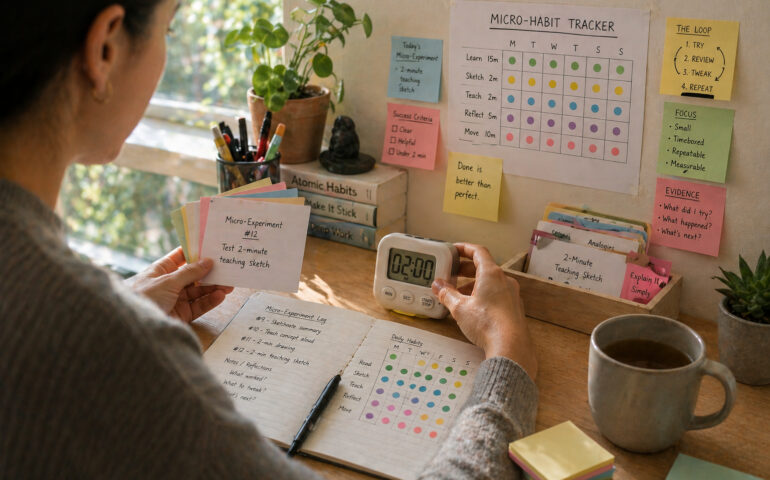
Small Experiments to Accelerate Independent Learning Growth
Independent learning becomes manageable when approached as a series of intentional, short experiments. Rather than overhauling habits overnight, micro-experiments let learners test approaches, measure outcomes, and iterate quickly. This article outlines practical ways to design small trials that reveal what
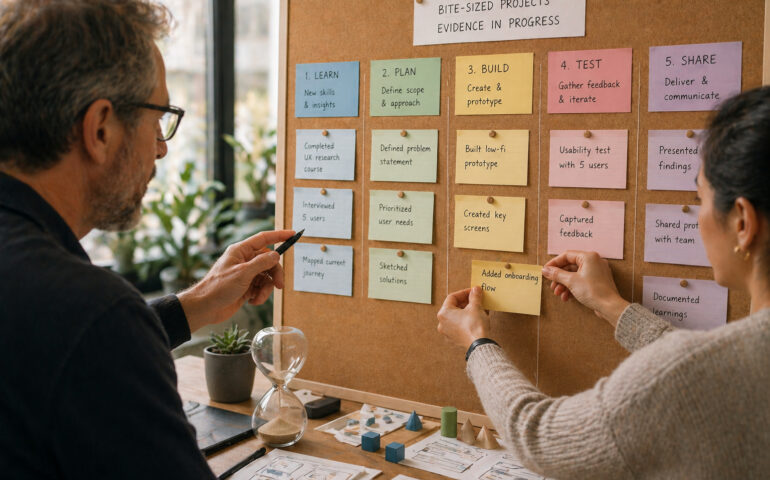
Designing Bite-Sized Projects to Cement New Skills
Small, focused projects are one of the most effective ways to move new knowledge into usable skill. They force application, reveal gaps, and create natural checkpoints that sustain momentum. Unlike long courses or diffuse study plans, bite-sized projects make learning

Blueprint for Sustainable Self-Directed Learning Routines
Developing sustainable learning routines turns good intentions into consistent progress. Small, intentional choices about what, when, and how you study reduce friction and increase retention. This article outlines a practical blueprint to set goals, design repeatable cycles, and build supportive

Practical Microstructures to Strengthen Student Metacognition and Autonomy
Teachers who want to deepen learning often rely on small, repeatable classroom moves that guide students to reflect and act without constant adult direction. Microstructures are brief routines or visible steps that scaffold metacognitive thinking and independent decision‑making. When chosen
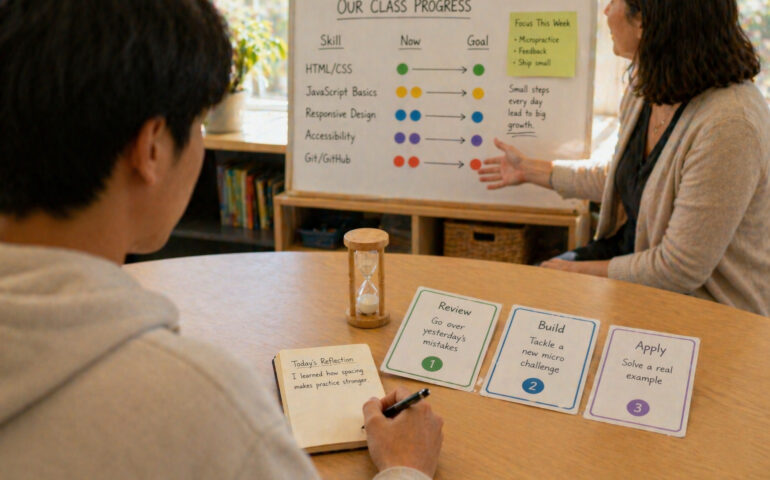
Designing Practical Systems to Grow Independent Learners
Independent learning flourishes when systems reduce friction and invite repetition rather than relying on willpower alone. Small, predictable structures help learners turn intention into habit and make progress visible. Teachers and program designers can create lightweight frameworks that slot into
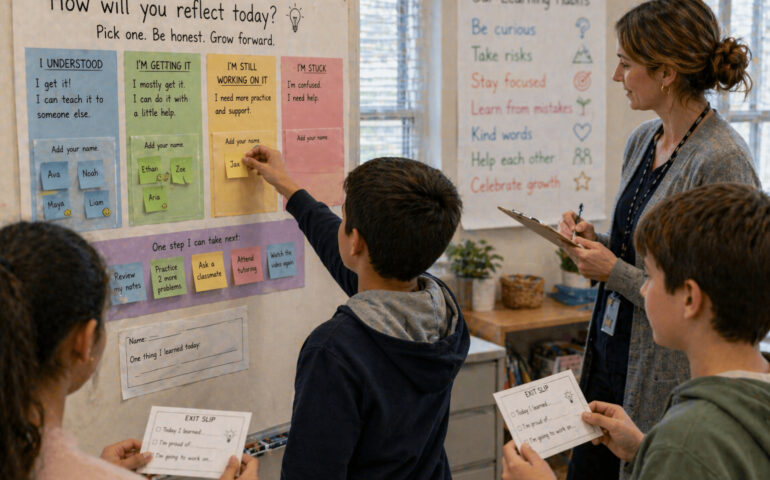
Practical Microstructures for Scalable Student Autonomy
Microstructures are short, repeatable classroom routines designed to shift responsibility to learners. They combine predictability with small decision points that students can manage independently. When well-designed, microstructures make metacognition, feedback, and practice routine rather than episodic. Teachers and instructional designers
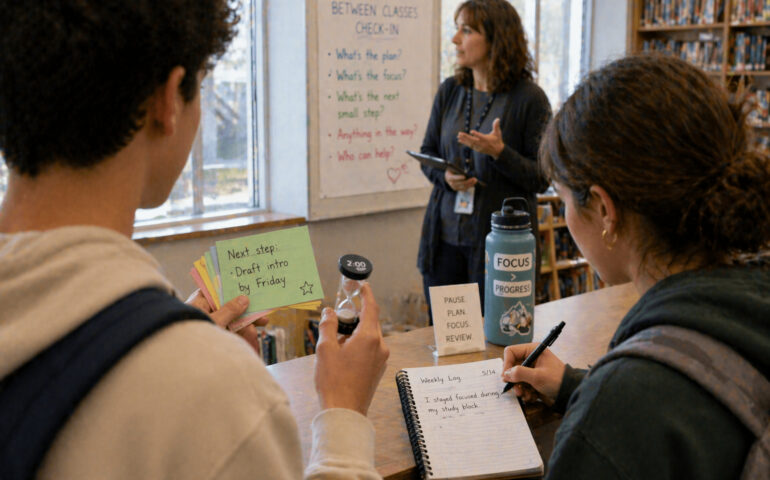
Practical Steps to Build Portable Study Skills for Students
Portable study skills are compact strategies students can use across subjects and settings to learn more efficiently. These skills prioritize adaptability, ease of recall, and the ability to transfer approaches from one task to another. When students learn a few
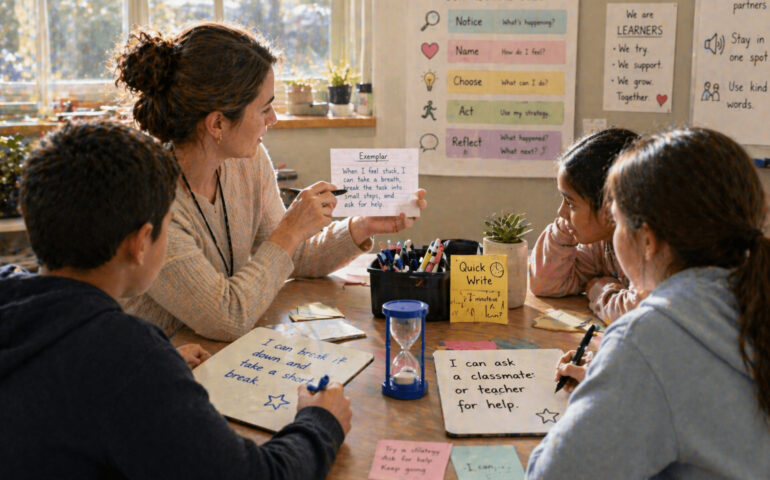
Creating Focused Warm-Up Routines to Prime Student Thinking
Warm-up routines are short, intentional activities at the start of a lesson that activate prior knowledge and set a cognitive tone. When they are focused and predictable, students spend less time transitioning and more time thinking about content. Well-designed warm-ups
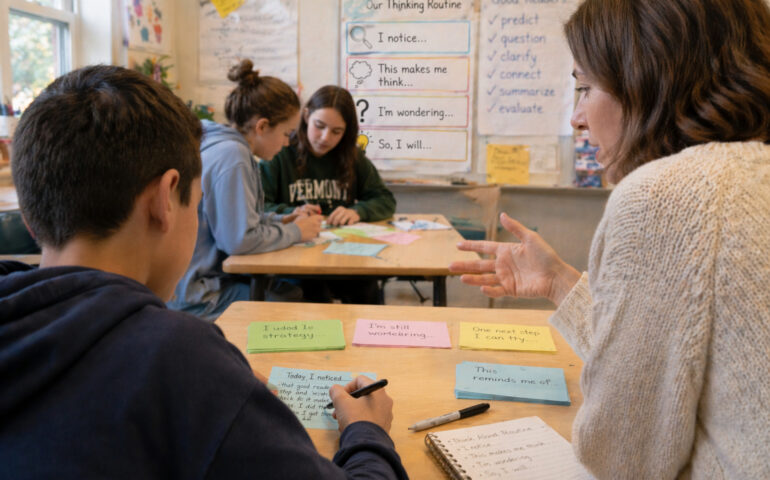
Cultivating Reflective Habits to Strengthen Learner Autonomy
Reflection turns fragmented experience into usable knowledge. When learners regularly pause to notice strategies, outcomes and obstacles they begin to take ownership of how they learn. Small, predictable habits make that process scalable across lessons and subjects. The result is

Teaching Students to Curate Their Own Learning Portfolios
Portfolios turn scattered assignments into coherent learning stories that students can revisit and reflect on. They help learners see progress, identify patterns, and make choices about next steps. Curating a portfolio encourages intentional selection and critical reflection on quality and


