
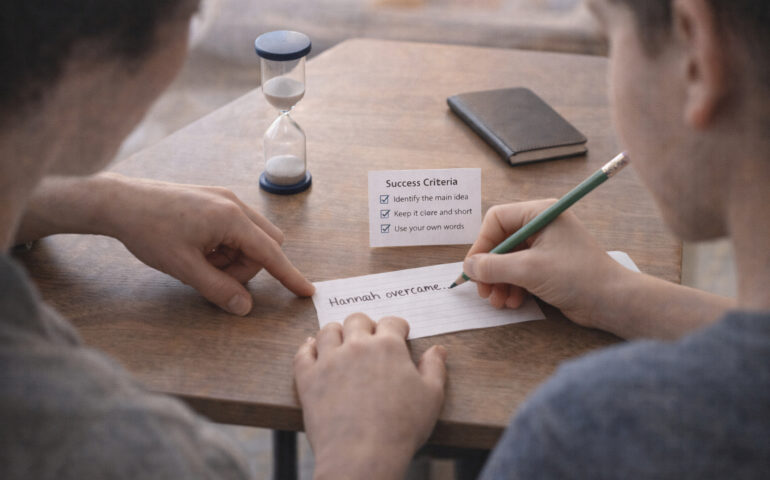
Designing Micro-Tasks That Build Independent Student Thinking
Micro-tasks are short, focused learning activities that give students manageable opportunities to practice thinking skills and make decisions independently. When used consistently, they help learners build confidence, develop metacognitive habits, and transfer strategies across contexts. These tasks work best when
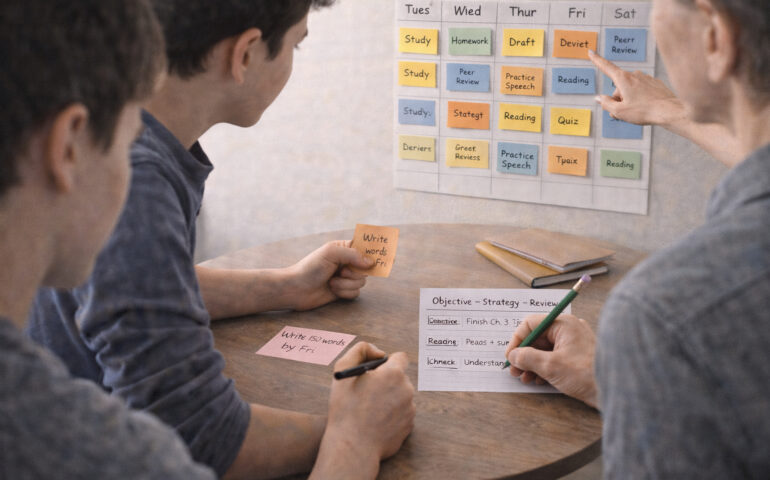
Empowering Learners to Create Effective Study Systems
Helping students build reliable study habits is one of the most practical ways teachers can boost long-term learning and reduce frustration during assessments. When learners understand how to plan, monitor, and adapt their own study routines, they become more resilient,
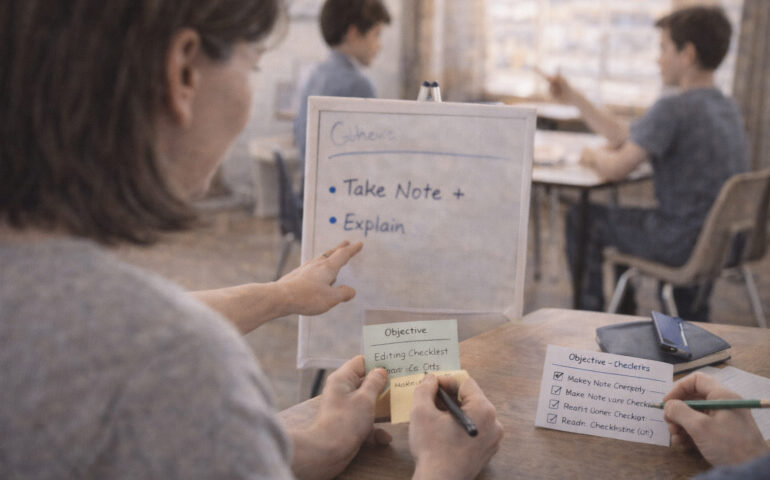
Structured Mini-Lessons to Foster Student Independence and Agency
Mini-lessons provide focused instruction that models a strategy or skill and then returns control to students to practice independently. They are short, intentional, and designed to create predictable learning rhythms that students can internalize over time. When implemented consistently, mini-lessons
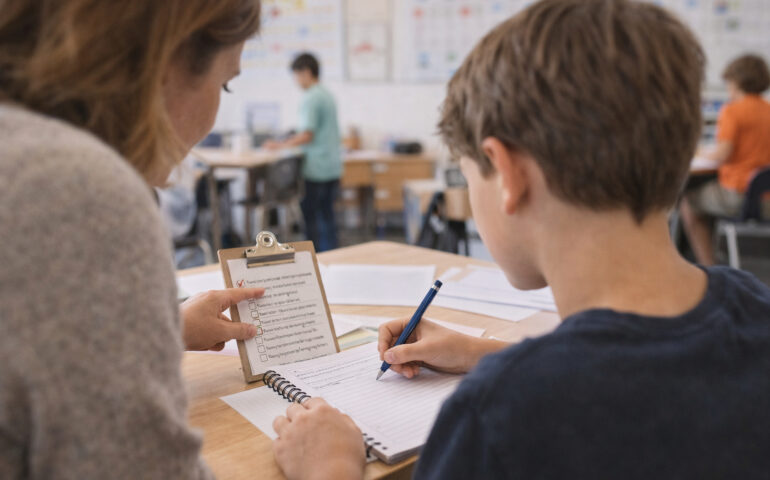
Guiding Students Toward Confident Self-Directed Study
Helping students become self-directed starts with clear routines and explicit skill instruction and teacher modeling. When teachers model planning, reflection, manageable goal-setting, and time-management strategies, learners gain a toolkit for independent work. This article outlines practical classroom practices that develop
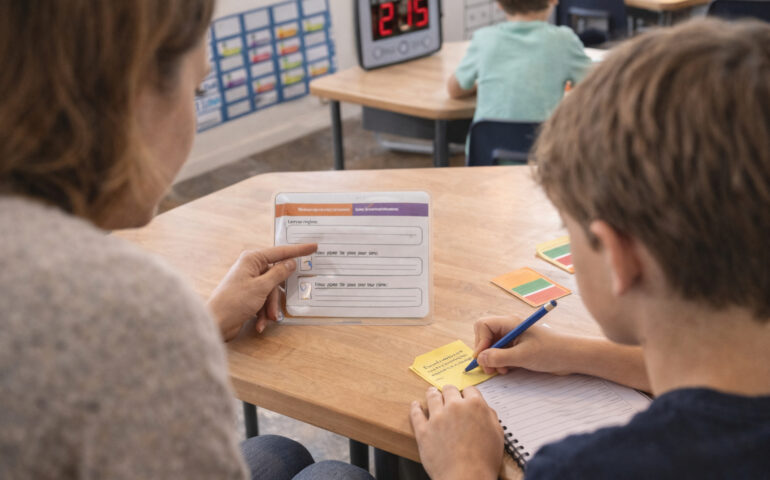
Habit-Based Approaches for Classrooms: Building Student Self-Management
Teachers who focus on small, consistent habits can shift classroom culture toward greater student self-management. Habit-based approaches break large goals into repeatable routines that students can internalize. These routines reduce cognitive load and create predictable opportunities for practice and reflection.
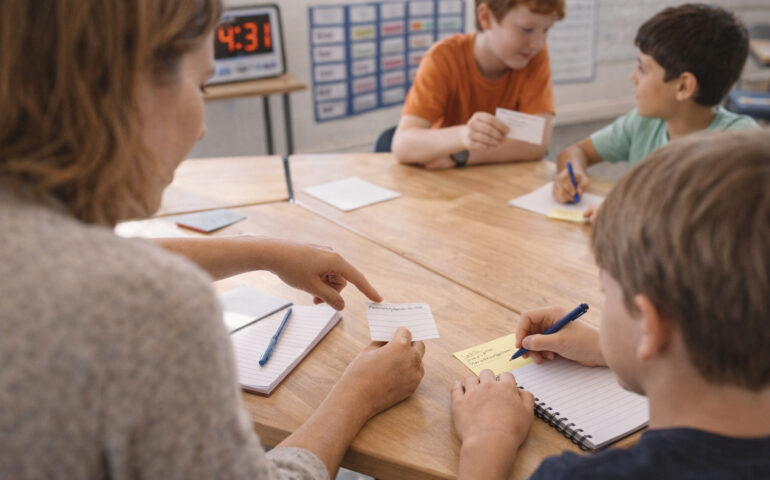
Three Daily Routines That Strengthen Student Planning and Reflection
Creating simple, repeatable classroom routines helps students develop stronger planning and reflection skills. When teachers introduce short, predictable rituals, learners gain practice setting goals, monitoring progress, and adjusting strategies. These micro-habits take minimal class time yet compound into meaningful independence.
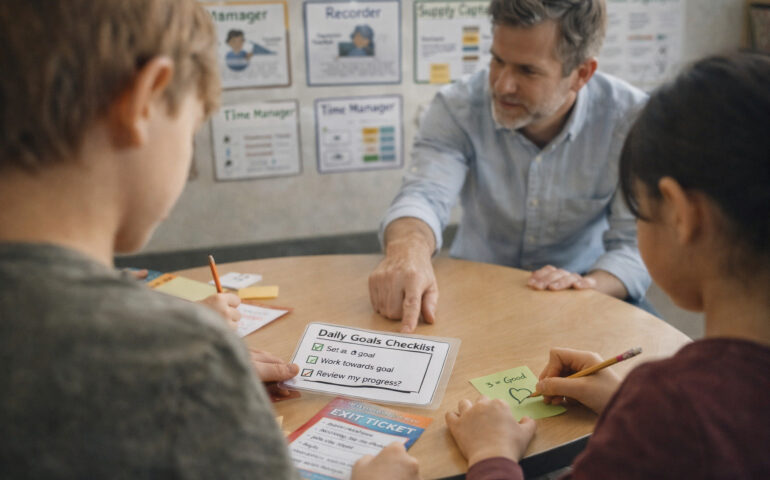
Structured Moves That Build Student Independent Learning
Building student independence starts with predictable, small classroom moves that make agency routine and visible to learners. Teachers can design brief, repeatable practices that scaffold decision-making, reflection, and self-regulation across lessons. When those practices are explicit, consistent, and scaffolded they
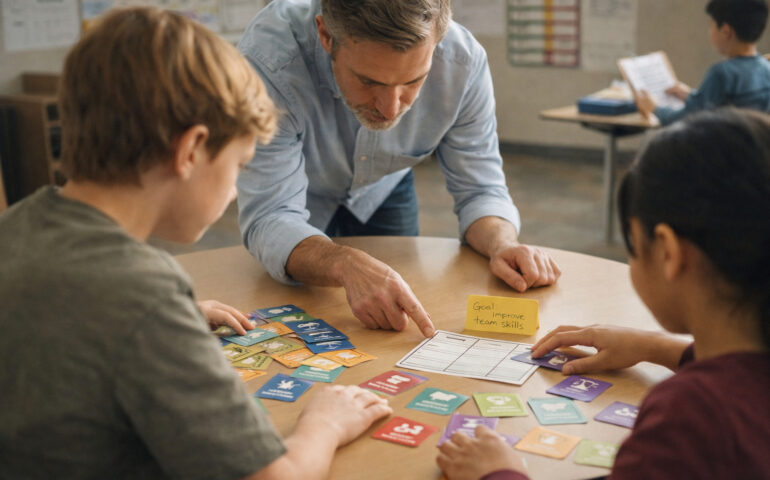
How to Scaffold Student Decision-Making for Independent Learning
Helping students make purposeful choices is central to independent learning. Teachers can scaffold that process by breaking decision-making into visible steps and offering timely feedback. Small, consistent supports help students internalize planning, monitoring, and adapting strategies. This article outlines practical
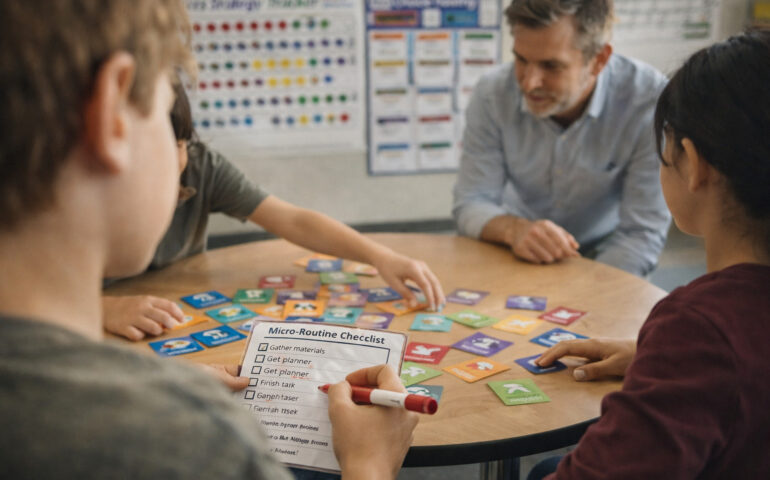
Everyday Teaching Tactics That Grow Learner Independence
Developing student independence is less about dramatic shifts and more about consistent classroom tactics that build confidence and self-regulation over time. When teachers intentionally design brief practices, students learn to plan, monitor, and evaluate their own work. Small changes to
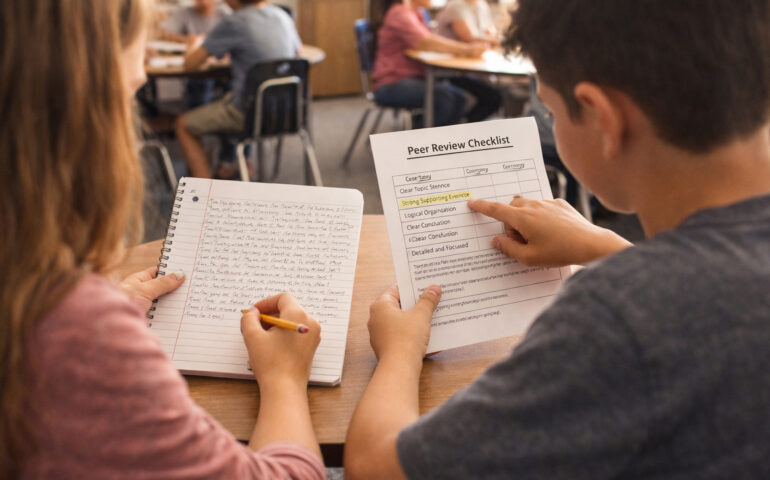
Structured Peer Review Techniques to Grow Student Independence
Peer review, when designed intentionally, becomes a powerful lever for student independence and sustained skill development. Clear routines, shared language, and frequent cycles let learners practice assessment and revision without constant teacher intervention. This article outlines practical techniques teachers can


