
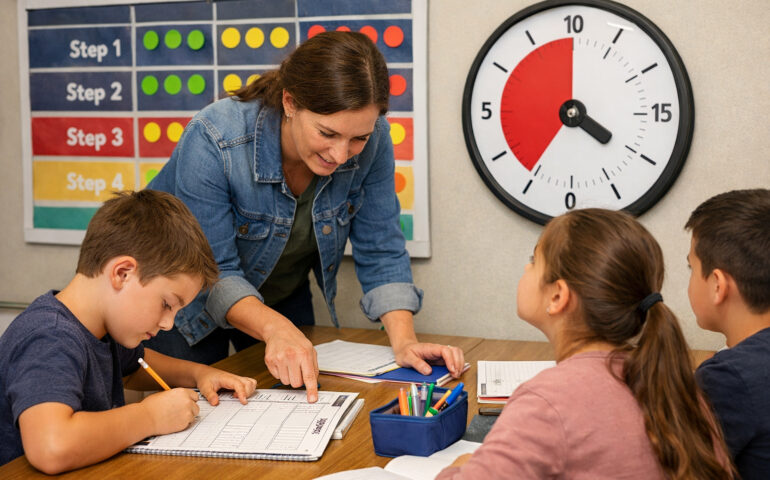
Practical Steps to Build Student Time-Management Skills
Effective time management is a practical skill students can develop with consistent classroom supports and explicit teaching of simple strategies. Teachers can embed short practices into daily lessons that teach planning, prioritizing, and pacing, turning abstract ideas into habitual actions.
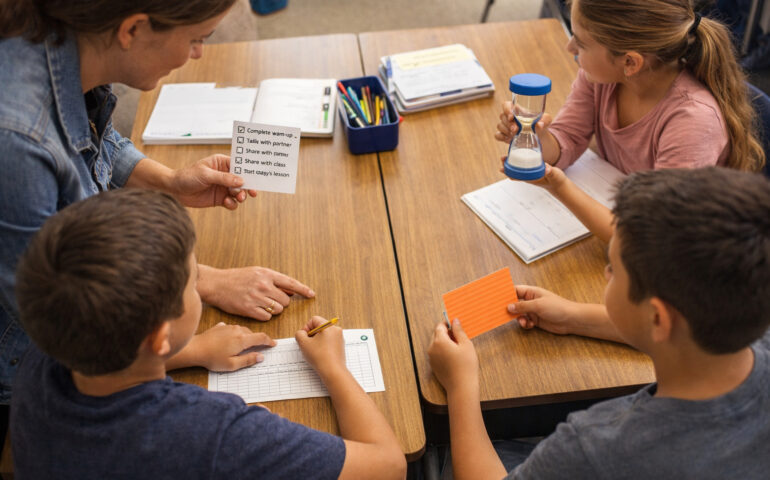
Simple Classroom Structures That Encourage Deep Student Thinking
Small, predictable routines help students focus cognitive energy on thinking rather than logistics. When teachers use concise structures, classroom time shifts from managing tasks to exploring ideas. This article highlights a few practical structures teachers can adopt with minimal preparation.
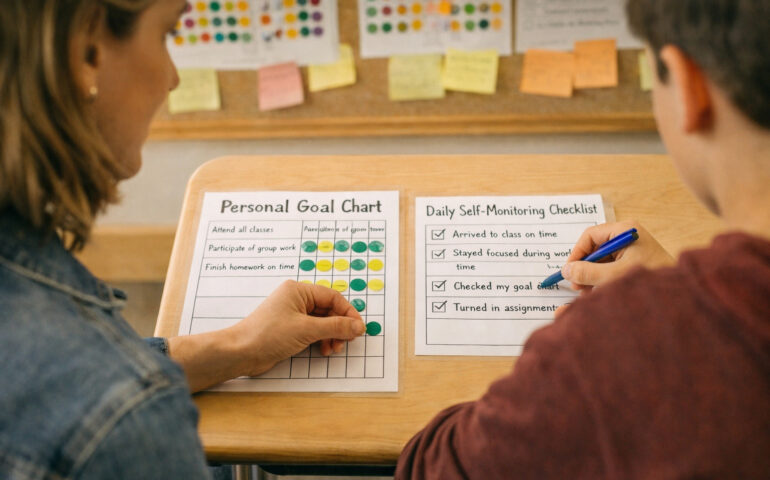
Designing Student Self-Monitoring Systems for Classrooms
Students learn best when they can observe their progress and adjust strategies independently. A self-monitoring system helps learners check understanding, track goals, and take responsibility for next steps. When teachers scaffold these systems, students build habits of reflection and effective
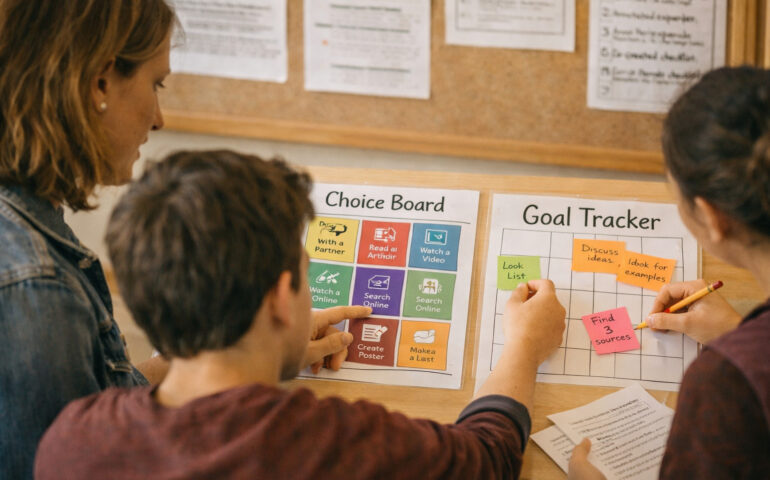
Visible Learning Practices That Encourage Student Initiative
Making learning visible helps students take ownership of what they know and what they need to learn. When classroom processes, criteria, and progress are clear, learners can make informed choices. This article outlines practical practices teachers can adopt to surface
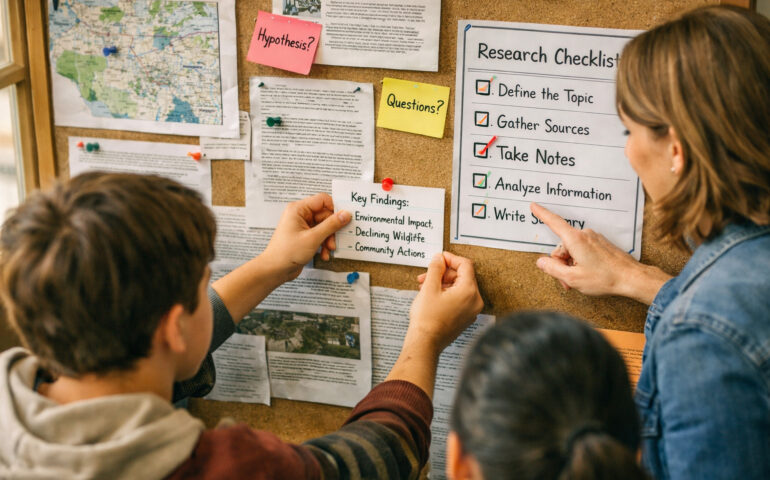
Classroom Practices to Build Student Research and Inquiry Skills
Helping students develop research and inquiry skills prepares them for independent learning and informed decision making. Classroom practices can make complex processes like sourcing, questioning, and synthesizing clear and manageable. By breaking research into predictable steps and modeling each one,
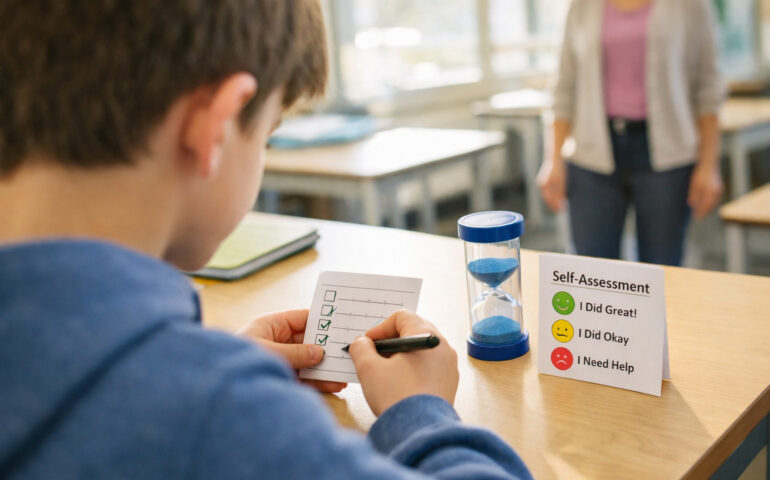
From Structure to Freedom: Routines That Grow Independence
Teachers often balance guidance with gradual release, and well-designed routines make that transition deliberate and sustainable. Small daily practices signal expectations, reduce cognitive load, and create predictable opportunities for students to practice independent skills. When routines prioritize choice, reflection, and
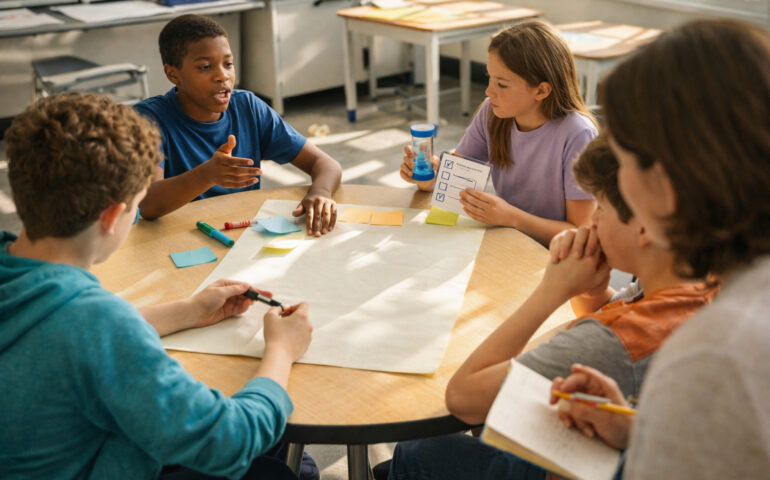
Structuring Group Roles to Improve Collaborative Learning Outcomes
Clear group roles help students focus on contribution and process rather than who does what. When roles are explicit, collaboration becomes a teachable routine that supports both content mastery and social skills. Thoughtful role design reduces friction in group work
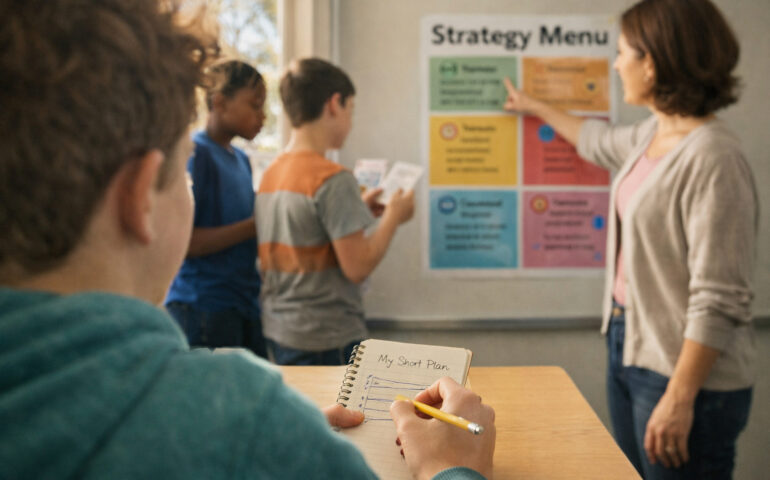
Teaching Students To Choose and Use Learning Strategies
Teaching students to choose and use learning strategies equips them to study more efficiently and independently. When teachers model why a particular method matches a task, learners begin to make informed choices instead of guessing. Simple classroom practices can turn
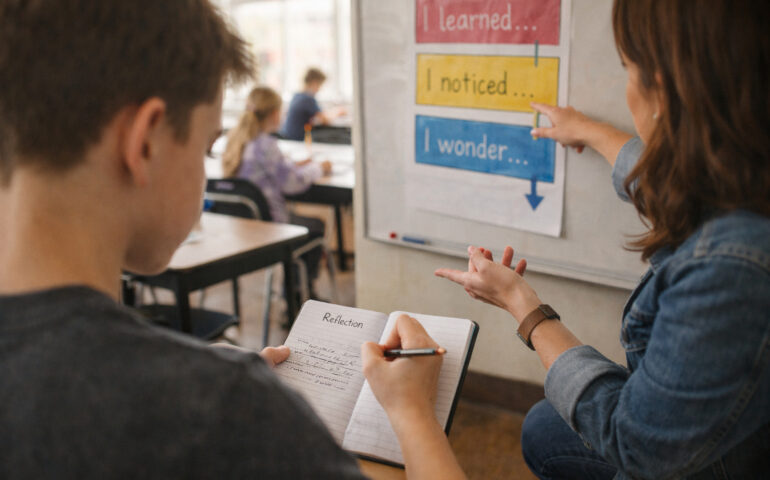
Practical Classroom Approaches to Strengthen Student Reflection
Reflection is a cornerstone skill that helps students make sense of new information and connect it to prior learning. When teachers build simple, repeatable reflection practices into lessons, students develop habits that support deeper understanding and transfer. Reflection routines also
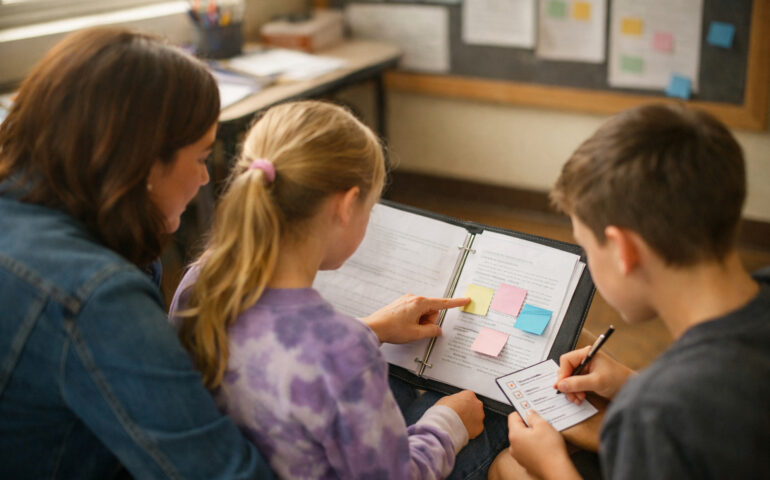
Developing Incremental Independence: Classroom Practices That Build Autonomy
Building student independence is most effective when it is approached as a series of small, intentional steps rather than a single large shift. Teachers can design routines, tasks, and feedback cycles that progressively hand responsibility to learners while keeping support


