
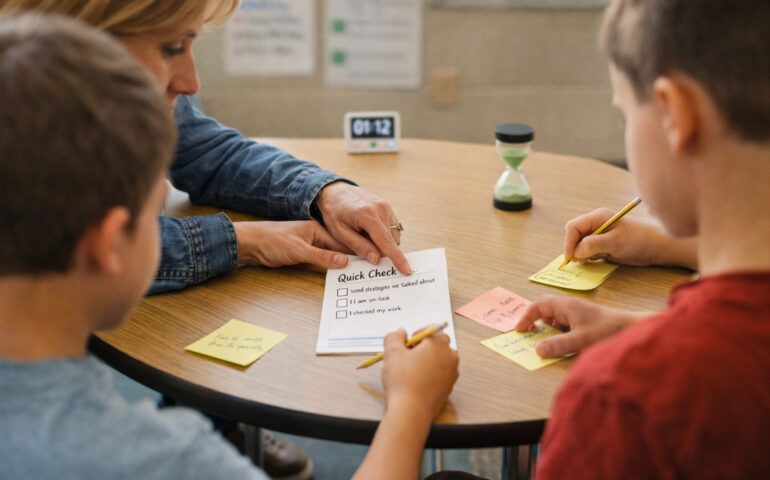
Micro-Skills Teachers Can Use to Cultivate Learner Autonomy
Developing independent learners starts with small, teachable behaviors that students can practice daily. When teachers break down autonomy into manageable micro-skills, students gain confidence and build reliable routines. These targeted techniques fit into existing lessons without adding major planning load
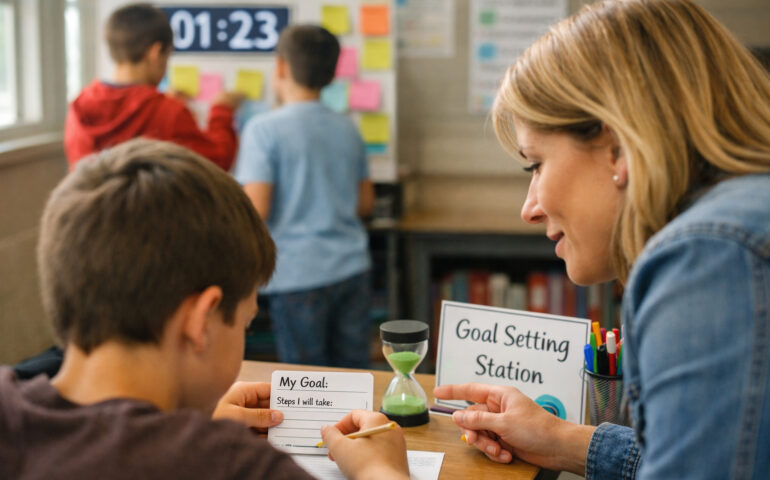
Assessments and Routines to Strengthen Student Autonomy
Building learner autonomy requires coordinated routines and assessment practices. When teachers align short daily habits with clear feedback cycles, students gain control over their progress. Small, predictable rituals reduce friction and free cognitive resources for deeper learning. This article outlines

Habits of Effective Classrooms: Short Practices That Improve Learning
Small, consistent practices can reshape how students focus, reflect, and apply what they learn. When teachers design brief routines with clear purpose, classroom time becomes more productive and predictable. These micro-habits require little preparation but compound into stronger attention, better
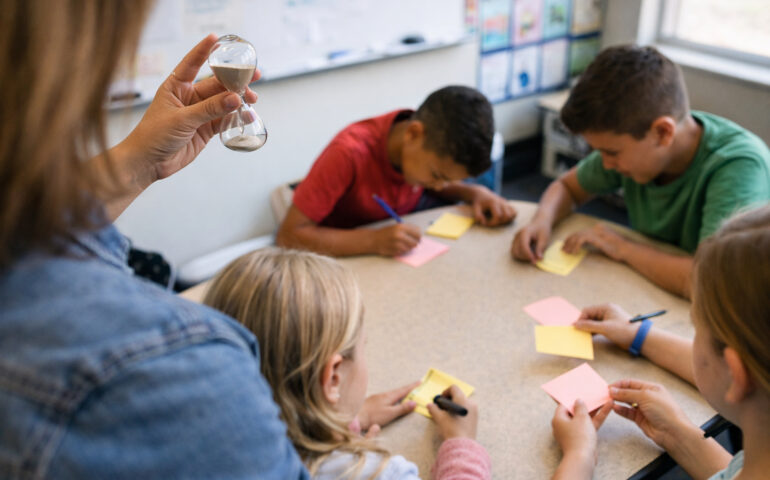
Structured Pauses: Using Short Checkpoints to Deepen Learning
Short, intentional pauses embedded in lessons create opportunities for students to process information and check understanding. These micro-checkpoints can be as brief as one or two minutes and focus learners on a single clear task. When used consistently they reduce
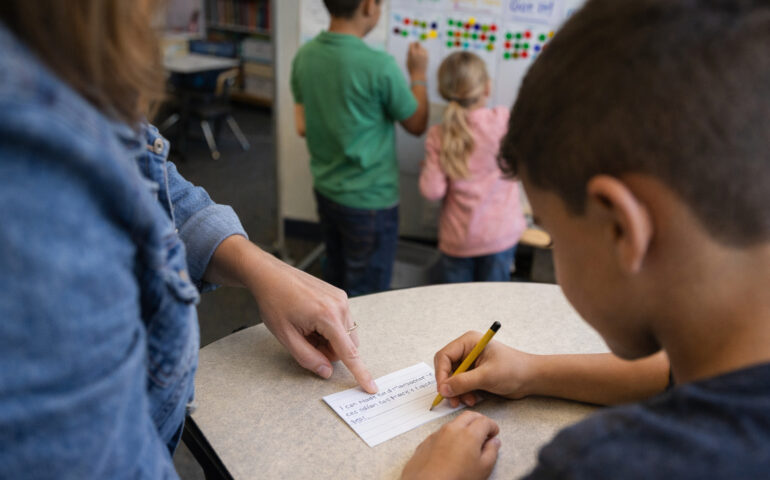
Small Assessment Moves That Boost Student Ownership of Learning
Frequent, low-stakes assessments can shift responsibility for learning from teacher to student without adding excessive grading work. When assessments are short, focused, and actionable, students get timely information about their progress and next steps. These small assessment moves also normalize
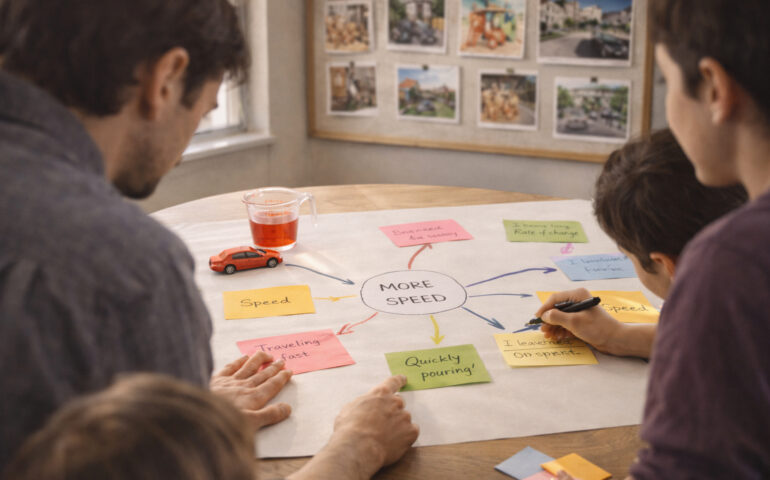
Teaching Students to Transfer Learning Across Different Contexts
Transfer of learning is the ability to apply knowledge or skills learned in one situation to new and different situations. When students reliably transfer what they learn, instruction becomes far more meaningful and durable. Teachers who plan for transfer help

Integrating Brief Reflective Practices into Daily Classroom Routines
Short, intentional reflection can transform how students process lesson content and monitor their own learning. Implemented consistently, brief reflective practices help learners identify gaps and celebrate progress without taking class time from core instruction. When built into routines, reflections become
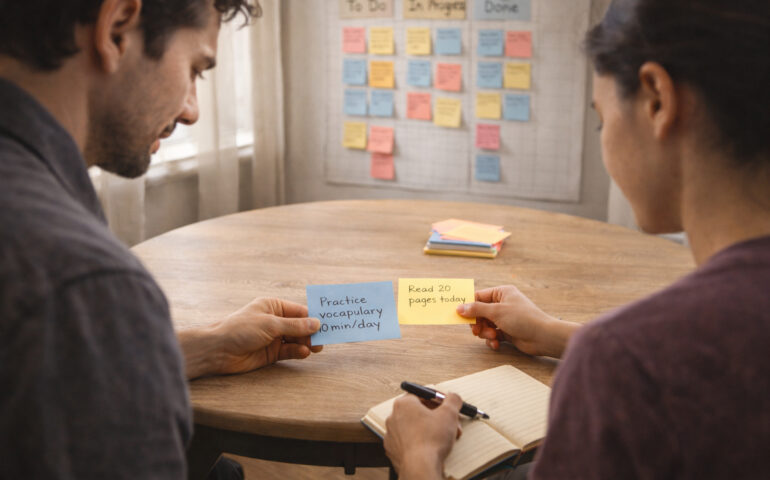
Daily Micro-Practices Teachers Can Use to Foster Student Agency
Small, consistent classroom moves can shift students toward greater independence and confidence in their learning. Teachers who use brief daily practices help learners develop planning, monitoring, and reflection skills that transfer to new tasks. These micro-practices take little class time
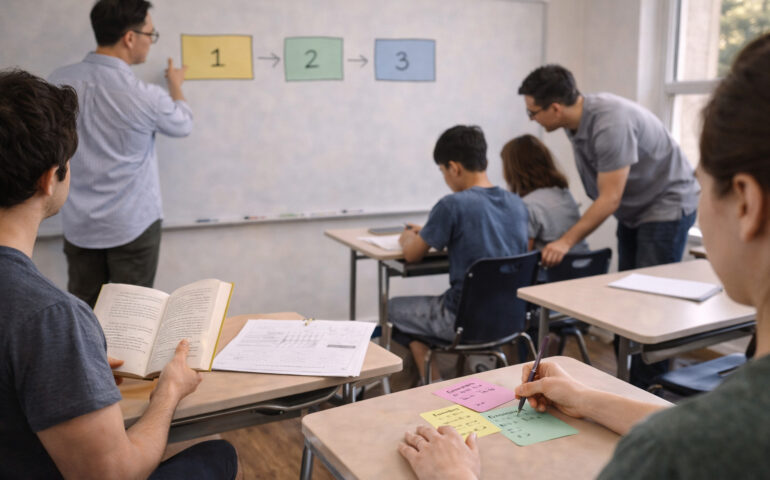
Creating Transferable Study Routines That Support Learner Success
Well-designed study routines give students predictable structure they can adapt across subjects and tasks. Routines reduce decision fatigue and free cognitive resources for deeper thinking and problem solving. When routines are intentionally taught, learners are more likely to reuse them
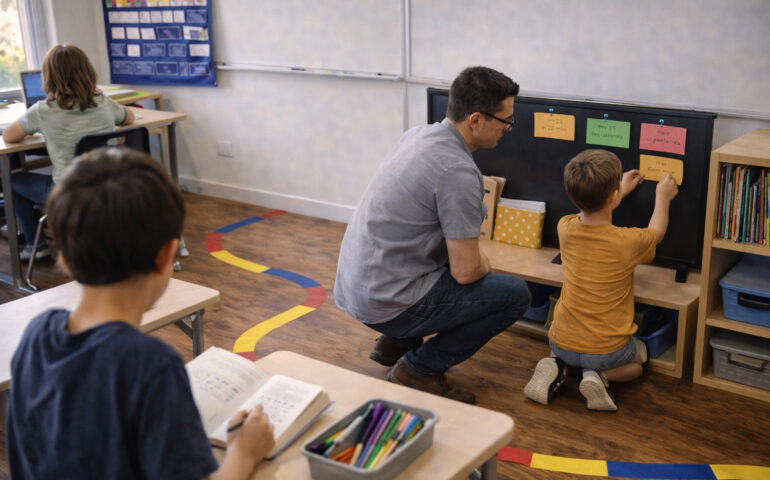
Creating Classroom Pathways for Sustainable Student Independence
Developing independent learners requires intentional classroom design that balances structure and freedom. Teachers can create small, repeatable pathways that guide students toward ownership of their learning. These pathways combine routines, choice, and scaffolded support to build confidence over time. This
Recent Posts

Designing Compact Choice Menus to Foster Student Decision-Making
Teaching Students to Sequence Tasks for Deeper Engagement
Practical Classroom Methods for Teaching Strategic Study Prioritization
Translate Everyday Work into Clear Professional Evidence
A Practical Process for Building Portable Career Proofs


