
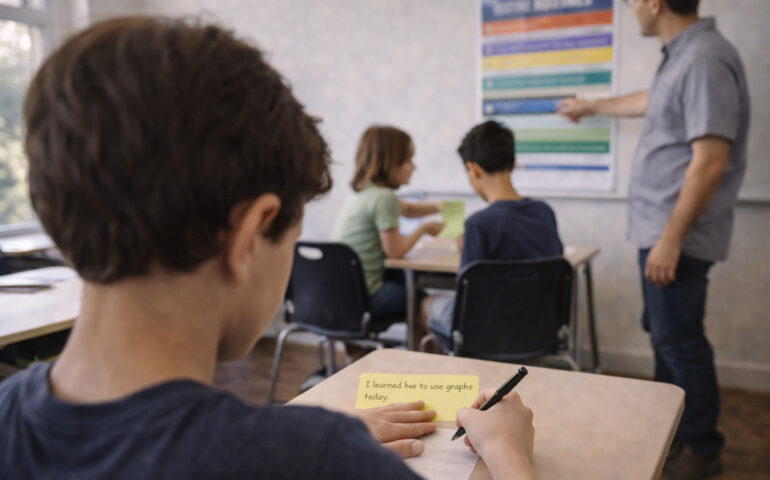
Everyday Classroom Moves to Promote Student Ownership
Small, predictable classroom moves help students take charge of their learning. Teachers can balance structure and choice so learners practice decision-making daily. When routines are brief and visible, students spend less energy on logistics and more on thinking. Over time
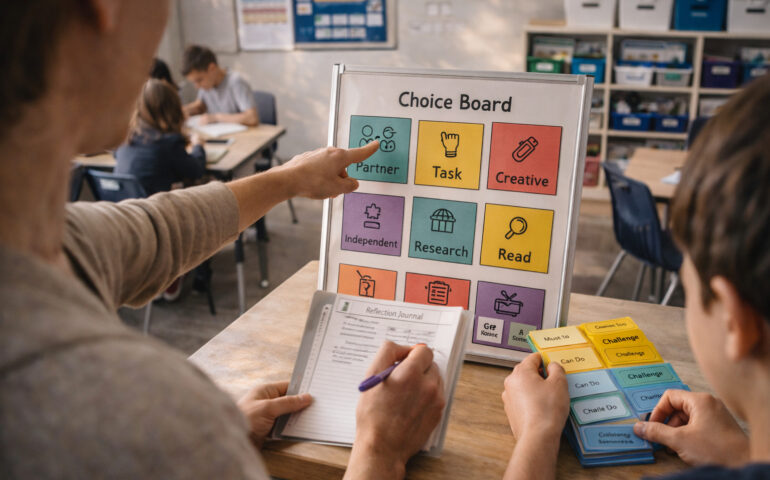
Creating Classroom Conditions That Encourage Independent Thinking
Fostering independent thinking in the classroom requires intentional design and steady practice. Teachers who shape routines and expectations help students become confident decision makers. Small changes to daily interactions and assessment can shift responsibility toward learners. This article outlines practical
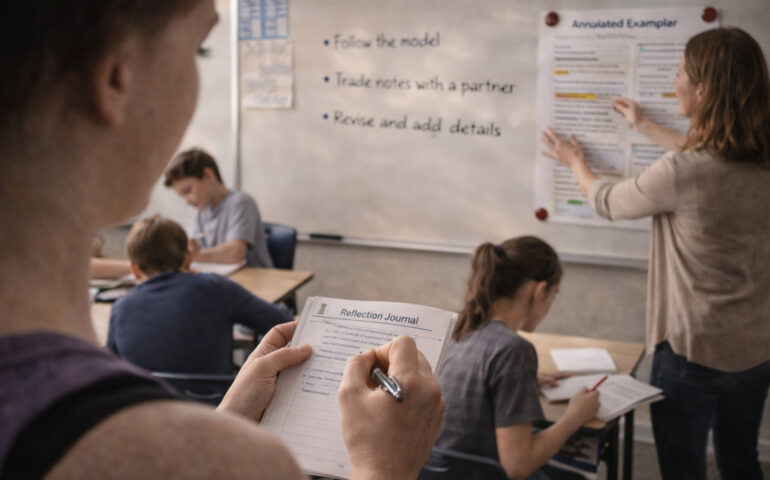
Teaching Students How to Learn: Structured Steps for Classrooms
Teaching students how to learn is as important as what they learn, and classroom structures can make that process visible and practical. This article outlines clear, reproducible steps teachers can use to help learners develop independent study habits, metacognitive awareness,
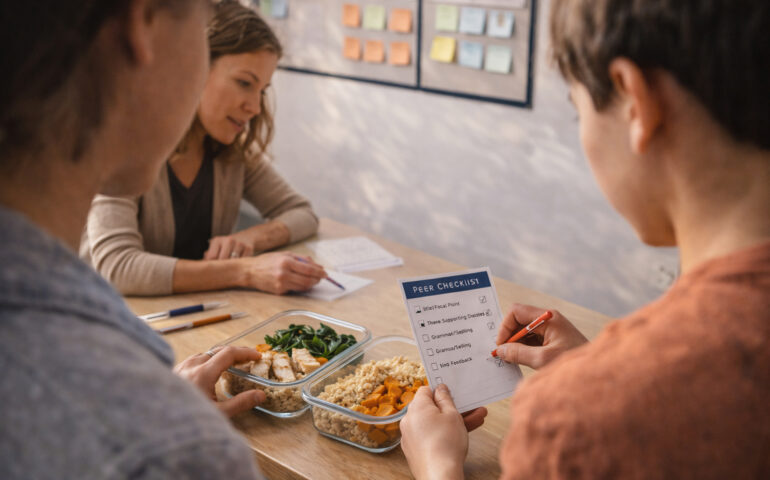
Simple Classroom Strategies to Grow Student Agency
Helping students develop agency starts with predictable, manageable classroom practices that encourage ownership. When learners understand expectations and see clear pathways for progress, they gain confidence to make decisions about their work. Small, consistent routines reduce cognitive load and free

Building a Sustainable Habit of Lifelong Learning
Lifelong learning has become essential for professionals who want to remain adaptable and relevant in rapidly evolving fields. Embracing a continuous learning mindset helps individuals respond to new challenges and seize emerging opportunities with confidence. This article outlines practical approaches
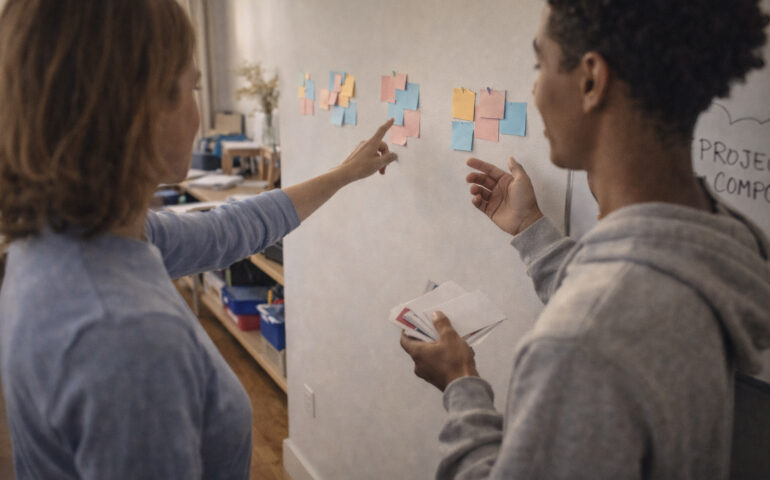
Active Learning Strategies to Accelerate Knowledge Retention
Active learning shifts the focus from passive intake to deliberate practice and reflection. It helps learners encode information more deeply and retrieve it with greater ease over time. This article outlines evidence-based strategies that educators and self-directed learners can apply.

How to Prioritize Learning Goals for Real Progress
Setting priorities in learning transforms vague intentions into measurable progress. Without clear choices, time is scattered and motivation fades. This article outlines practical steps to select goals, schedule study, and adjust plans as skills develop. Use these methods to focus

Fully Funded James Buchanan Fellowship 2026–2027 at the Mercatus Center
Hosted by the Mercatus Center, the fellowship provides a structured intellectual environment for scholars seeking to deepen their engagement with institutional analysis and mainline political economy. Applications for the 2026–2027 academic year are due April 15, 2026. Review begins after
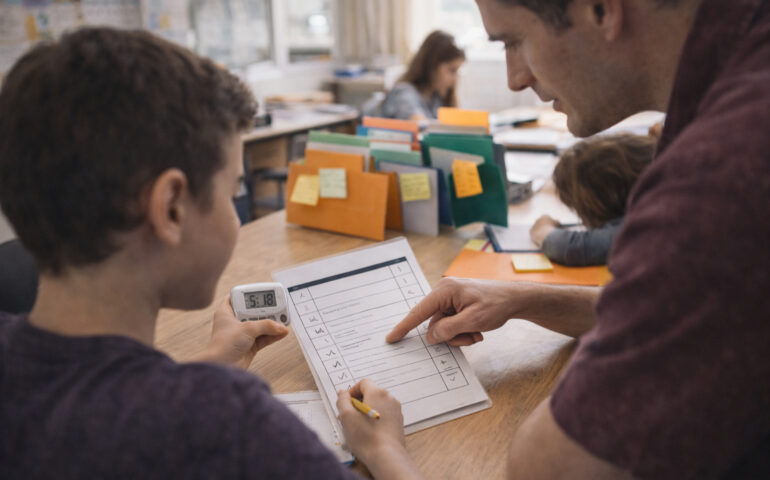
Daily Strategies for Guiding Independent Student Practice
Helping learners become more independent is a practical goal that can be addressed through consistent daily approaches. Small, intentional choices in planning, task design, and feedback create an environment where students gradually take more ownership. This article outlines classroom strategies

Creating Classroom Habits That Sustain Student Autonomy
Developing student independence starts with deliberate classroom habits that become second nature. Small, repeatable routines give learners the structure they need to practice skills on their own. When teachers combine clear expectations with opportunities for choice, students gradually take responsibility
Recent Posts

Designing Compact Choice Menus to Foster Student Decision-Making
Teaching Students to Sequence Tasks for Deeper Engagement
Practical Classroom Methods for Teaching Strategic Study Prioritization
Translate Everyday Work into Clear Professional Evidence
A Practical Process for Building Portable Career Proofs


