
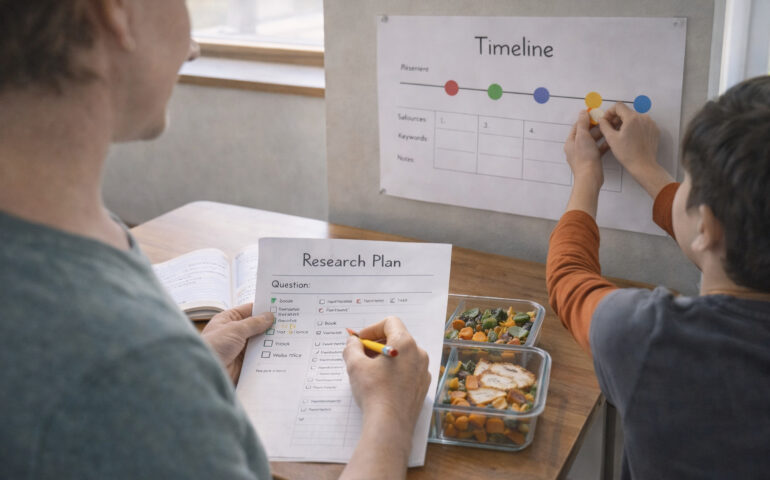
Practical Classroom Tools to Scaffold Student Independent Research
Helping students move from teacher-led tasks to independent research requires purposeful classroom design and consistent supports. Instructors can introduce simple tools and routines that gradually increase learner autonomy while preserving clarity and structure. When framed around clear goals and incremental

A Practical Guide to Intentional Knowledge Building
Learning without a structure often leads to scattered efforts and slow progress. Adopting an intentional approach helps you prioritize what matters, build skills reliably, and measure growth over time. This guide outlines a concise framework to design your own sustainable
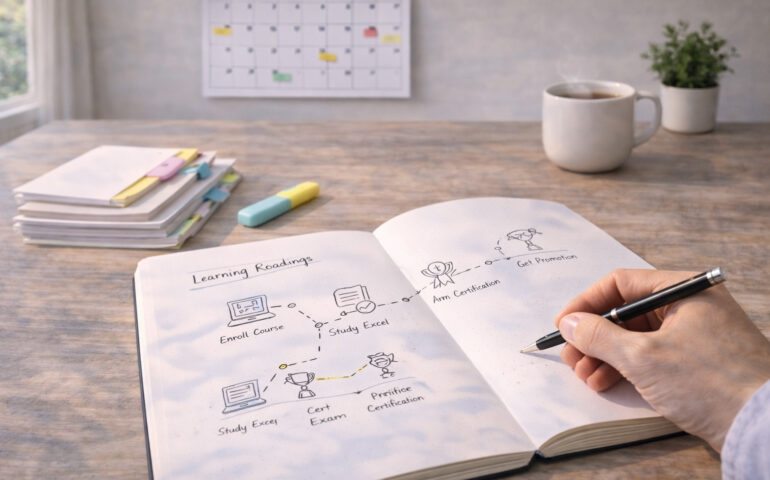
Creating a Sustainable Personal Learning Roadmap
Learning with intention begins by aligning curiosity with realistic outcomes. A sustainable roadmap prevents burnout and keeps progress measurable. Small, regular steps compound into meaningful skill changes over months and years. This article outlines practical elements to shape a personal

Turning Curiosity into a Manageable Study Architecture
Most professionals and lifelong learners find it difficult to convert curiosity into steady progress, because interest alone rarely produces routine. Without an intentional structure, ideas remain scattered and practice becomes sporadic, which undermines retention and confidence. A deliberately designed study
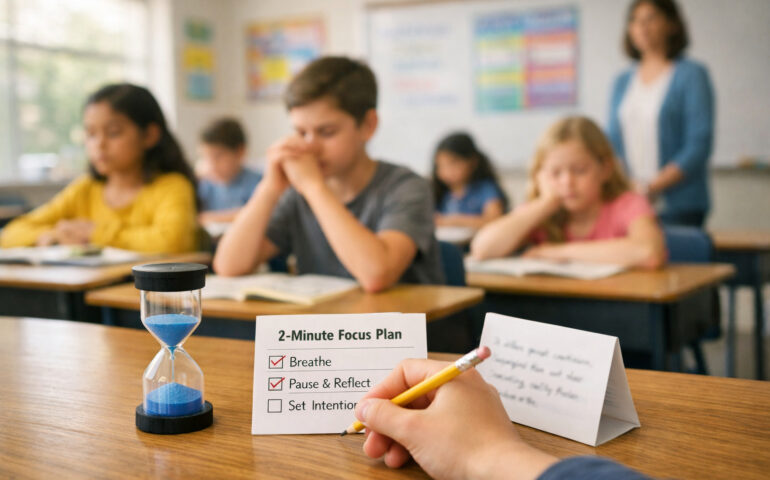
Small Classroom Habits That Boost Student Initiative and Focus
Classroom routines can quietly shape learner behavior over time, guiding students toward greater initiative. Short, repeatable habits help students manage attention, organize tasks, and build confidence in small steps. When teachers design brief daily practices with clear purpose, students are
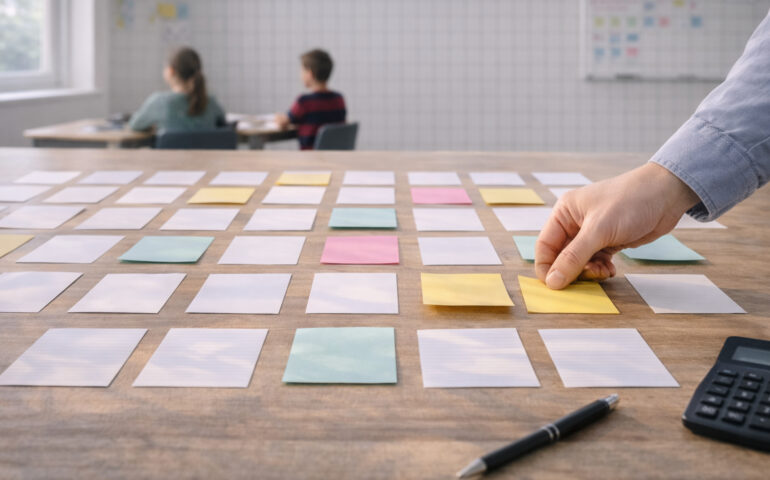
Practical Reflection and Feedback Cycles for Classroom Growth
Building regular reflection and feedback cycles in classrooms helps students internalize learning and build transferable skills. When reflection is concise and frequent, it becomes an essential habit rather than a one-off task. Feedback that is timely and actionable guides learners
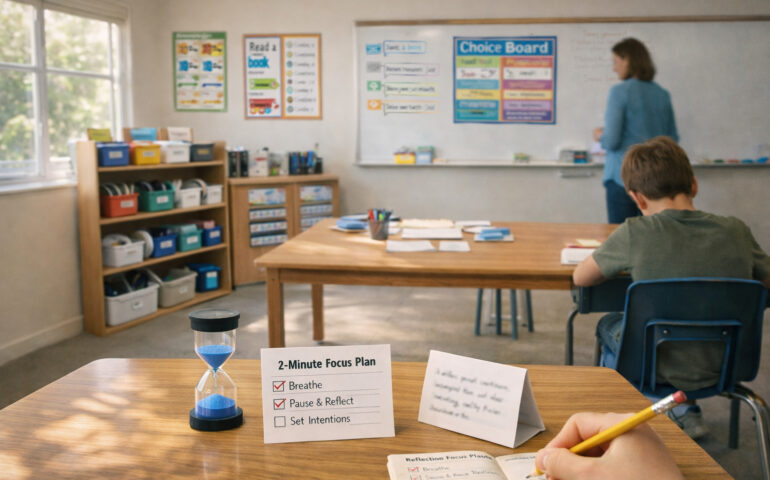
Encouraging Independent Study Skills Through Classroom Design
Students develop independence most effectively when classrooms are structured to support gradual release of responsibility. Design choices, routines, and explicit teaching practices all contribute to stronger self-directed learning habits. This article outlines practical classroom strategies that teachers can adopt without
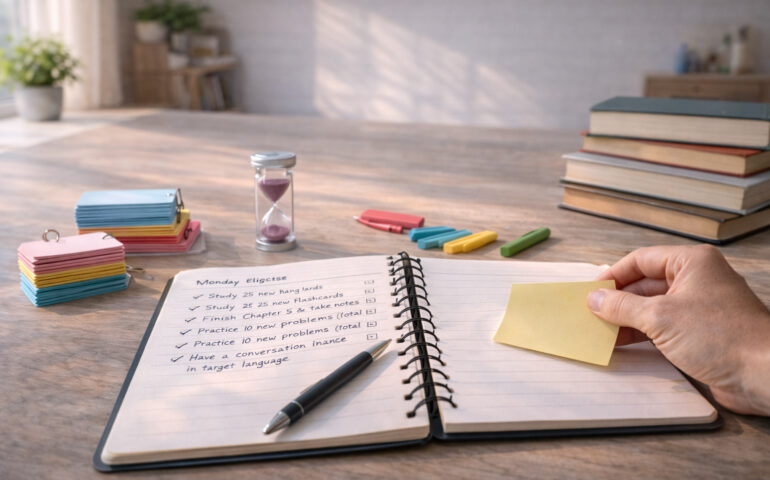
Plan, Practice, Reflect: A Method for Consistent Learning
Creating a reliable approach to learning helps you move from occasional study to sustained skill growth. A simple method based on planning, deliberate practice, and reflection can reduce friction and improve retention. This article outlines practical steps to structure your
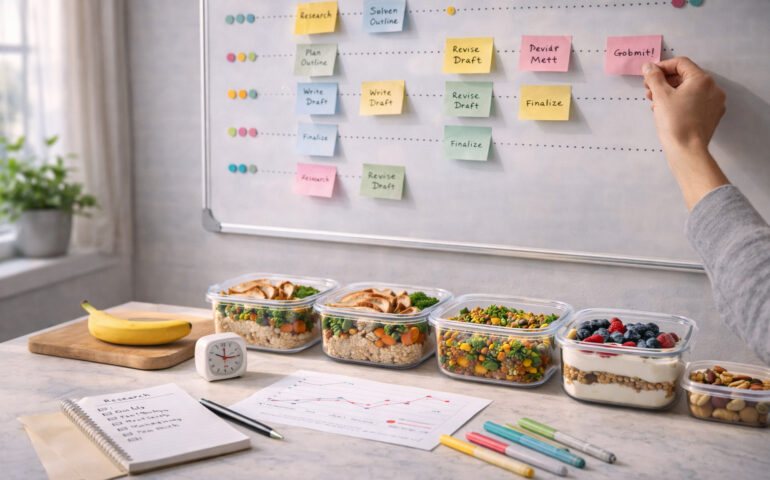
A Practical Framework for Structured Skill Development
Developing new skills deliberately improves career options and personal satisfaction. A structured approach turns occasional study into measurable progress and helps avoid overwhelm. This article outlines a practical framework that connects goals, methods, scheduling, and review. Follow these steps to

How to Turn Curiosity into a Daily Learning Habit
Curiosity is the engine behind meaningful learning, but it often fades amid busy schedules and competing priorities. Turning curiosity into a daily habit helps you retain knowledge, discover new interests, and stay adaptable in rapidly changing fields. Small, consistent practices


