
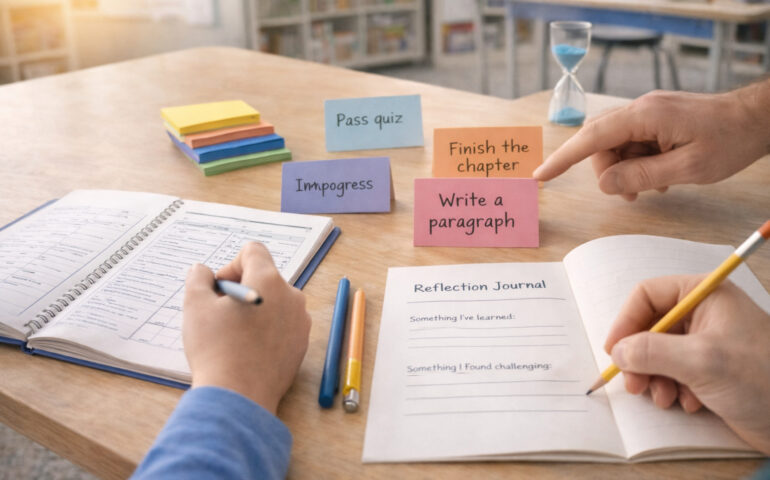
Teaching Students to Plan and Reflect on Their Learning
Helping students learn to plan and reflect strengthens their ownership of learning and improves outcomes. When students practice setting goals, scheduling tasks, and reviewing results they build durable study habits. Teachers can scaffold these skills with explicit instruction, modeling, and
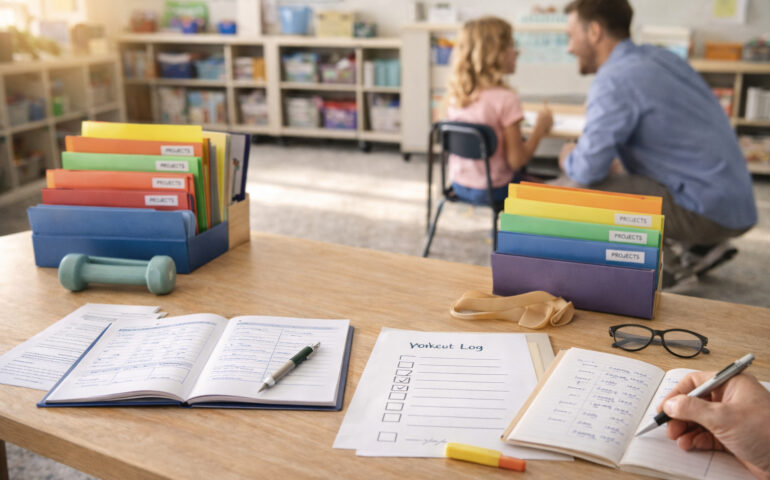
Cultivating Student Autonomy Through Classroom Practices
Fostering autonomy in learners prepares them to manage challenges, set goals, and adapt strategies independently. When teachers intentionally design experiences that build choice, reflection, and responsibility, students can grow confident and motivated. This introduction outlines practical classroom practices that support
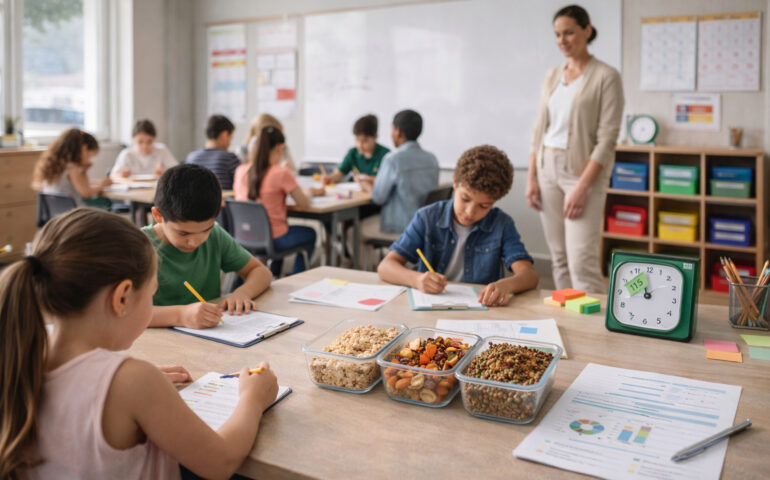
Designing Classroom Routines That Encourage Self-Directed Study
Strong classroom routines create predictable structures that support students as they develop self-directed study skills. When expectations are clear and consistent, learners gain confidence to manage tasks independently and reduce anxiety around transitions. Well-designed routines balance teacher guidance with opportunities
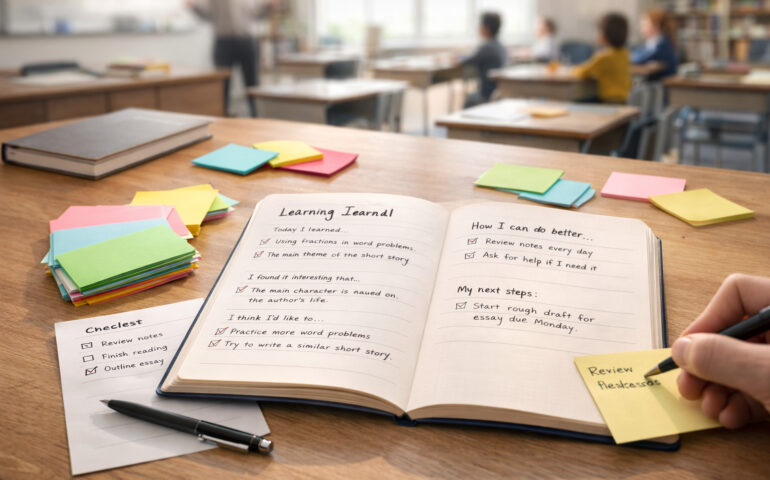
Practical Strategies to Foster Lifelong Learning Skills in Students
Developing lifelong learning habits prepares students to adapt to change and pursue growth beyond formal education. Teachers and institutions can design environments that encourage curiosity, persistence, and self-reflection. This article outlines practical classroom approaches, supportive tools, and assessment ideas to
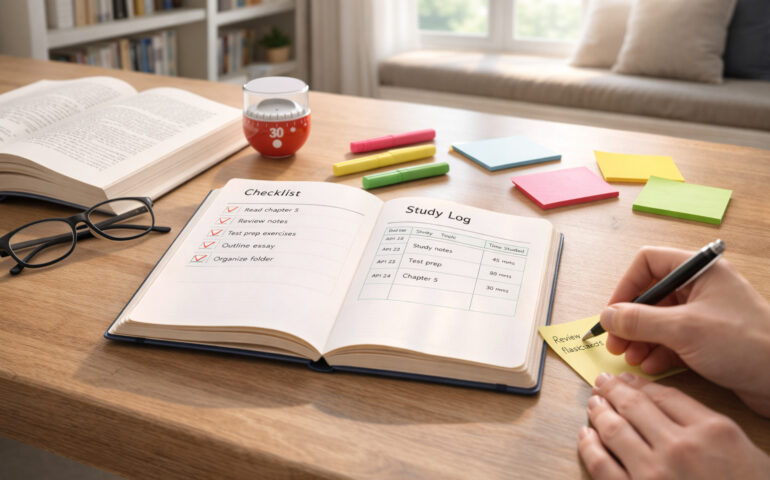
Helping Students Build Effective Independent Learning Habits
Independent learning equips students to take ownership of their education and adapt to changing expectations. Developing these habits early improves focus, resilience, and long-term academic results. Teachers and parents can scaffold autonomy while preserving structure and feedback. Examples and consistent

The Rise of AI-Powered Adaptive Learning Systems
Education is rapidly shifting away from static, one-size-fits-all instruction toward learning experiences that adapt to individual needs. AI-powered adaptive learning systems are at the forefront of this transformation. By analyzing learner behavior in real time, these systems personalize content, pace,
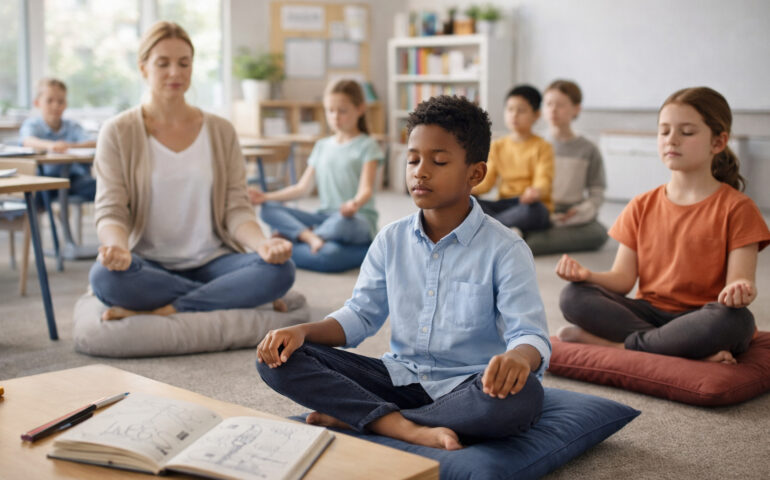
Why Mindfulness Should Be Part of Every Curriculum
Education has long focused on academic knowledge and technical skills, but today’s learning environments demand more holistic approaches. Students face increasing pressure from academic expectations, digital overload, and social challenges. Mindfulness offers a practical way to support mental well-being while

Why Digital Storytelling Is the Future of Education
Education is evolving beyond textbooks and lectures as learners increasingly engage with content through screens, multimedia, and interactive platforms. Digital storytelling sits at the center of this shift, blending narrative with technology to create learning experiences that are memorable, immersive,

Learning Identity Formation: When Students Start Seeing Themselves as Capable Learners
The concept of learning identity formation is pivotal in education. It’s the process by which students begin to see themselves as capable learners, understanding their ability to tackle challenges and thrive academically. When students start viewing themselves as competent, it

Tool Overload in Education: Why More Platforms Reduce Learning
Schools and universities increasingly adopt digital tools to support learning. Learning management systems, classroom apps, discussion boards, assessment platforms, and communication tools are now standard in many curricula. While well‑intentioned, the proliferation of platforms often leads to tool overloaded situation


