

Low-Stakes Testing Advantage: Why Small Tests Beat Big Exams
In education, many students are accustomed to the high-pressure environment of final exams, where a single test often holds great weight in determining their grades. However, recent research suggests that low-stakes testing – the practice of regularly administering smaller, less

How AI Is Helping Teachers Reduce Administrative Burden
Teaching has always extended beyond the classroom, but administrative responsibilities have grown significantly in recent years. Lesson planning, grading, attendance tracking, reporting, and communication often consume hours that could be spent on instruction and student support. Artificial intelligence is beginning
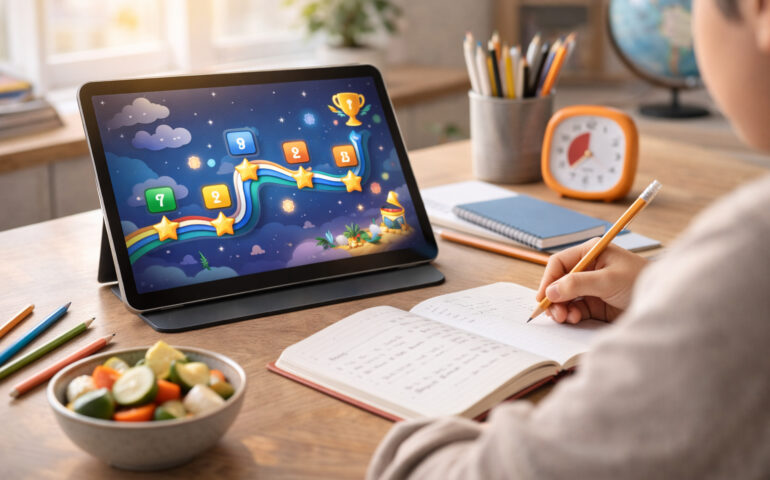
The Future of Gamified Homework Assignments
Homework has long been a source of mixed reactions among students, often seen as repetitive or disconnected from real engagement. As digital learning tools advance, gamification is reshaping how assignments are designed and experienced. By blending educational objectives with game

The Role of Digital Twins in Personalized Learning
Education is steadily shifting away from one-size-fits-all models toward experiences tailored to individual learners. As data, analytics, and artificial intelligence become more integrated into education systems, digital twins are emerging as a powerful tool for personalization. By creating virtual representations
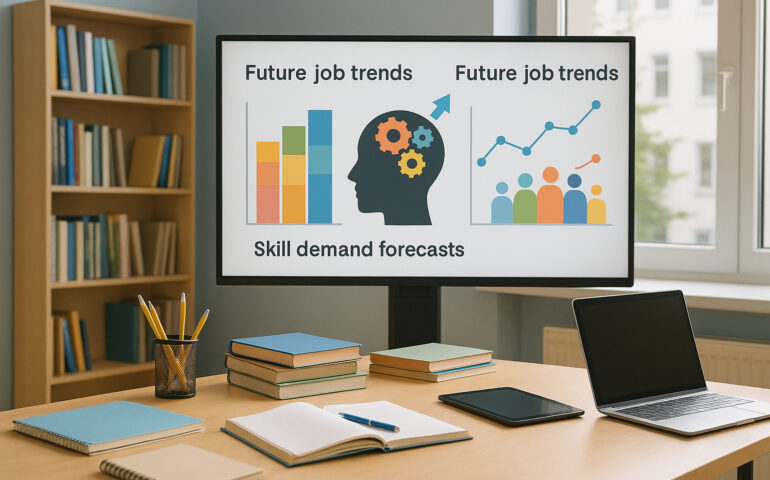
How AI Is Helping Schools Predict Future Skill Demands
As industries evolve at unprecedented speed, schools face growing pressure to prepare students for jobs that may not yet exist. Artificial intelligence is becoming a powerful tool in this effort, helping educators analyze workforce trends, identify emerging skills, and adapt
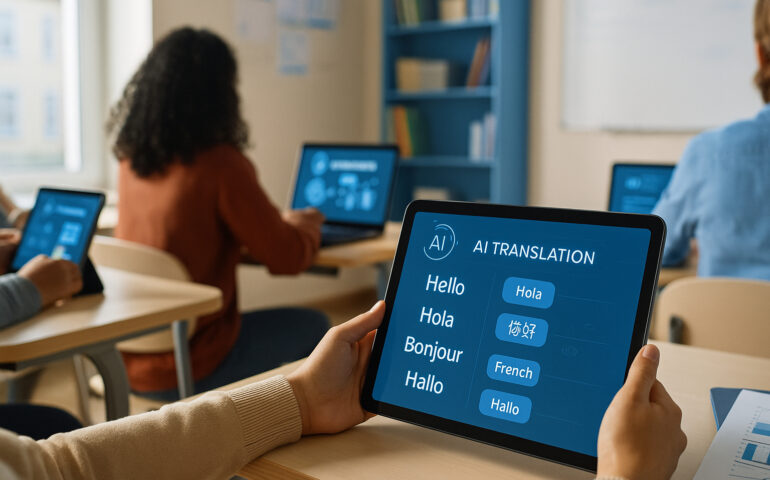
The Future of AI-Powered Language Translation in Classrooms
AI-powered language translation is opening new possibilities for global learning, making classrooms more inclusive, connected, and culturally diverse. As students increasingly come from varied linguistic backgrounds, educators face the challenge of ensuring that every learner understands lessons clearly. AI translation
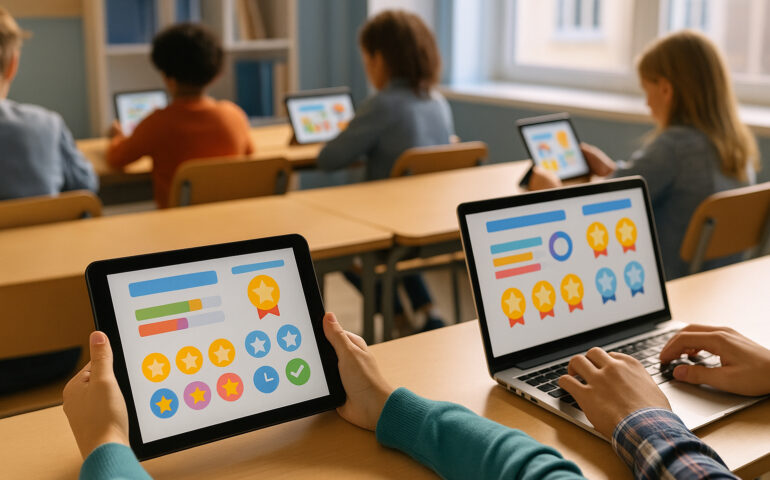
How Gamified Learning Is Improving Student Motivation
Gamified learning is transforming classrooms by turning traditional lessons into interactive, engaging experiences that students genuinely enjoy. By incorporating game-like elements such as points, levels, challenges, and rewards, educators are finding new ways to motivate learners and strengthen participation. This

The Future of Skill-Based Education: Beyond Degrees
As the job market evolves and technology reshapes industries, traditional degrees are no longer the sole measure of professional capability. Skill-based education is emerging as a powerful alternative, focusing on practical abilities and real-world competencies rather than academic credentials alone.

The Role of Data Analytics in Modern Education
Data analytics is transforming modern education by helping schools, teachers, and students make more informed decisions that enhance learning outcomes. With the rise of digital tools and online platforms, educators now have access to meaningful insights about student behavior, performance,

How Virtual Reality Is Revolutionizing Classroom Experiences
Virtual reality (VR) is transforming education by turning traditional lessons into immersive, hands-on experiences that spark curiosity and deepen understanding. Instead of just reading from textbooks or watching videos, students can now explore historical landmarks, walk through scientific simulations, and


