
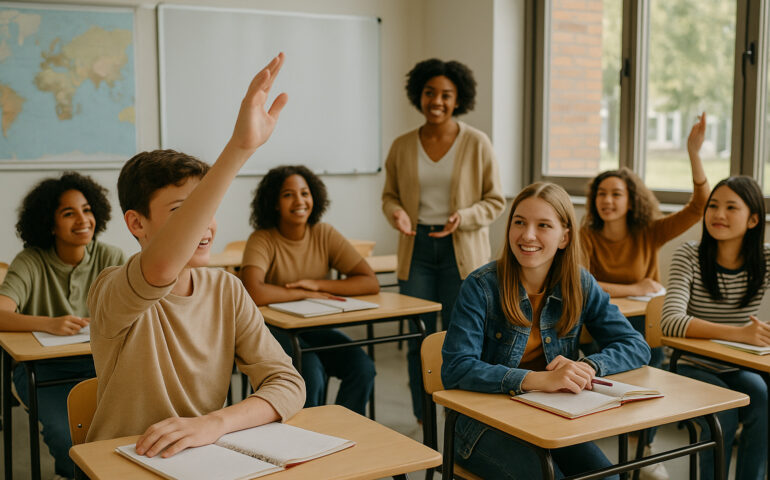
The “No Grade Week”: A U.S. Experiment Showing Higher Participation When Grades Are Paused
Classroom pressure often centers around one thing—grades. For many students, fear of failure overshadows curiosity and engagement. But a growing number of U.S. educators are experimenting with a new idea: the “No Grade Week.” During this week, teachers pause all
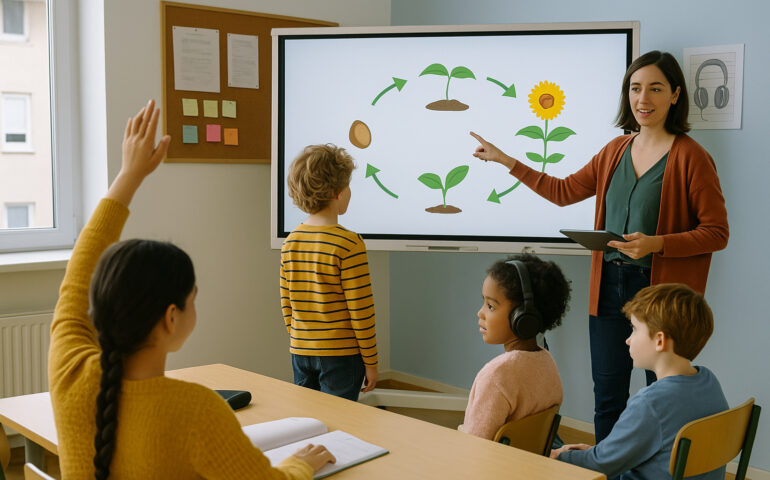
Multi-Format Learning: Teaching the Same Concept with Pictures, Audio, Movement & Story
Every student learns differently, and a single teaching method rarely reaches everyone effectively. Multi-format learning solves this challenge by teaching the same concept through pictures, audio, movement, and story. When lessons activate multiple senses, students connect with material more deeply

Curiosity-Driven Homework: Assignments Built Around Student Questions, Not Teacher Topics
Traditional homework often asks students to complete tasks based on preset topics chosen by teachers. While this reinforces learning, it may not always spark genuine curiosity. Curiosity-driven homework flips the model by allowing students to design assignments around their own

How AI-Powered Simulations Are Transforming Medical Education
Medical education is undergoing a remarkable shift as artificial intelligence becomes integrated into training environments. Traditional learning methods—lectures, textbooks, and limited hands-on practice—are giving way to immersive, AI-enhanced experiences that mimic real clinical scenarios. These simulations allow future healthcare professionals
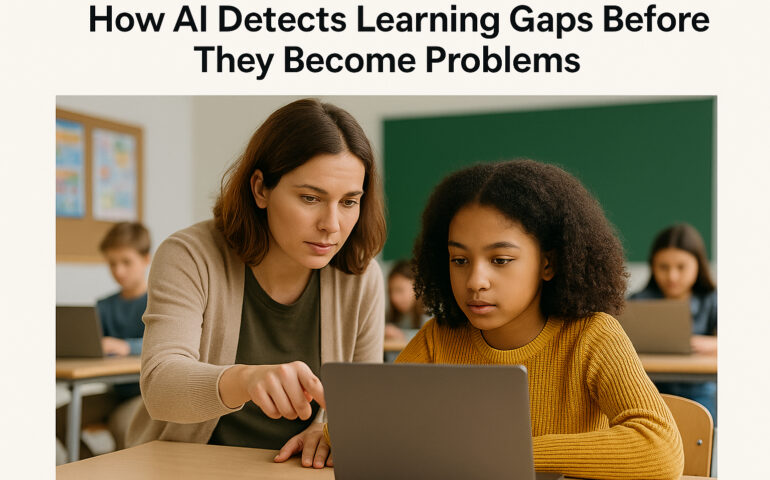
How AI Detects Learning Gaps Before They Become Problems
As classrooms and training environments continue to evolve, artificial intelligence is transforming how educators identify student needs long before those challenges turn into barriers. Learning gaps often develop quietly, and traditional assessments sometimes fail to catch them early. AI-powered tools

The Rise of Peer-to-Peer Learning Platforms
Peer-to-peer learning is rapidly transforming the world of education, offering students and professionals a more flexible, collaborative way to build skills. Instead of relying solely on traditional instructors, learners now connect directly with peers who share their expertise. This shift

Sleep-Synced Learning: Matching Study Times to Biological Rhythm Peaks
Every learner has natural peaks in energy, focus, and memory—yet most study routines ignore them. Sleep-synced learning is a growing approach that aligns study sessions with a person’s internal biological rhythms. By matching learning tasks to periods when the brain
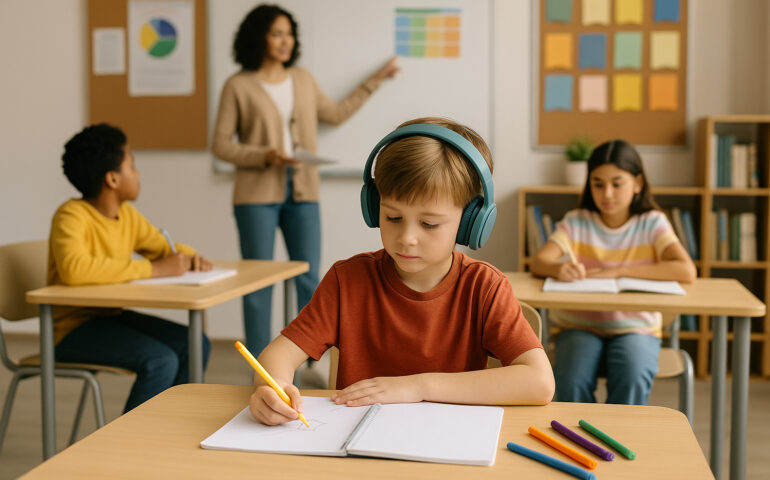
Neuro-Friendly Learning Paths: Design for ADHD, Autism & Other Brain Types
Every mind learns differently, yet traditional education often relies on a one-size-fits-all model. Neuro-friendly learning paths are changing by designing experiences that support the unique strengths, needs, and processing styles of students with ADHD, autism, dyslexia, and other neurodiverse brain
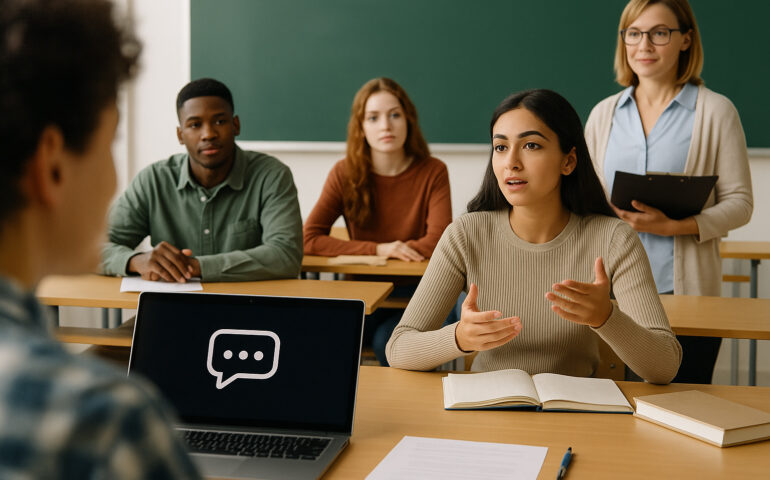
AI Moderated Discussions: Eliminating Bias, Conflict & Dominant Voices in Class
Classroom discussions are one of the most powerful ways for students to learn from one another—but they don’t always run smoothly. Bias, interruptions, dominant voices, or conflict can limit participation and prevent meaningful dialogue. AI-moderated discussions are changing this dynamic
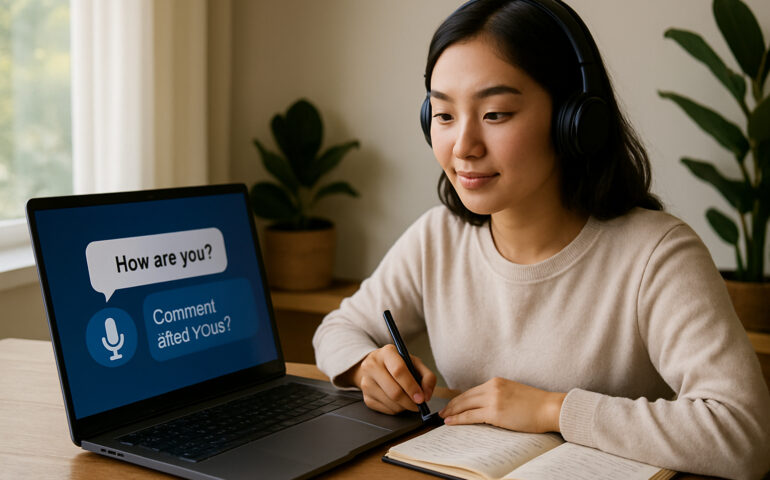
How AI-Powered Language Learning Is Breaking Barriers
AI-powered language learning is transforming how people around the world study, practice, and master new languages. Traditional methods often required in-person classes, long study sessions, or expensive tutoring. Today, artificial intelligence brings personalization, automation, and real-time support directly to learners—making


