
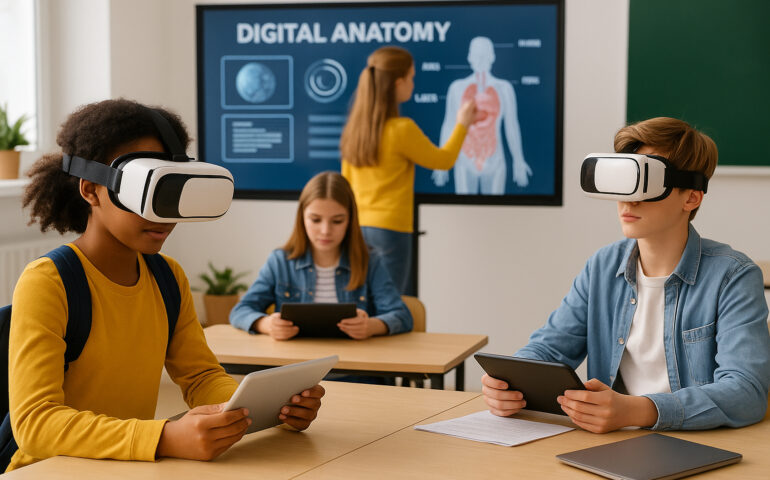
Innovative EdTech Tools that are Shaping the Future
Education is evolving at a rapid pace, and technology is at the center of this transformation. From personalized learning platforms to immersive digital experiences, EdTech tools are not only enhancing classrooms but also redefining how students learn and teachers teach.

The Power of Education: Changing Lives One Lesson at a Time
Education is more than just textbooks and classrooms—it’s a transformative force that shapes individuals, communities, and societies. With each lesson learned, education has the power to unlock opportunities, build confidence, and change the course of lives. Education Unlocks Opportunities One

Mastering Time Management: Tips for Students and Teachers
Time is one of the most valuable resources in education. For both students and teachers, balancing learning, teaching, assignments, grading, and personal responsibilities can feel overwhelming. Mastering time management is not just about being busy—it’s about being productive, focused, and

Overcoming Barriers: Equity and Inclusion in Education
Education is often called the great equalizer, but for many students, barriers like poverty, discrimination, and limited resources create unequal opportunities. Equity and inclusion in education ensure that all learners—regardless of background—can access the tools and support they need to
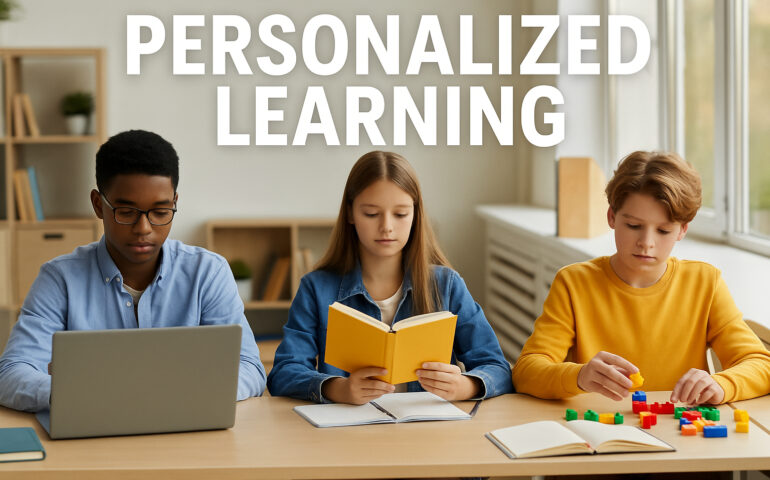
Personalized Learning: Meeting Every Student’s Unique Needs
Every student learns differently. Some grasp concepts quickly through visuals, others prefer hands-on activities, and some need extra time to process information. Traditional one-size-fits-all teaching often leaves certain learners behind. That’s where personalized learning comes in—a flexible approach that adapts

How Project-Based Learning Boosts Engagement and Achievement
Traditional education often relies on lectures, textbooks, and exams. While these methods have value, they don’t always inspire deep learning or real-world application. Project-Based Learning (PBL), on the other hand, shifts the focus from memorization to hands-on, inquiry-driven exploration. By

Why Extracurricular Activities Matter: Building Well-Rounded Students
Education goes beyond textbooks and classrooms. While academic success is important, extracurricular activities play a crucial role in shaping well-rounded students. From sports and arts to volunteering and clubs, these activities provide opportunities for personal growth that traditional academics alone

Why Online Learning Is Here to Stay
Online learning isn’t a stopgap anymore—it’s a durable part of how people upskill, reskill, and earn credentials. The reasons are structural, not trendy. 1) Flexibility that matches real lives Work, family, and geographic constraints make fixed schedules hard. Asynchronous modules
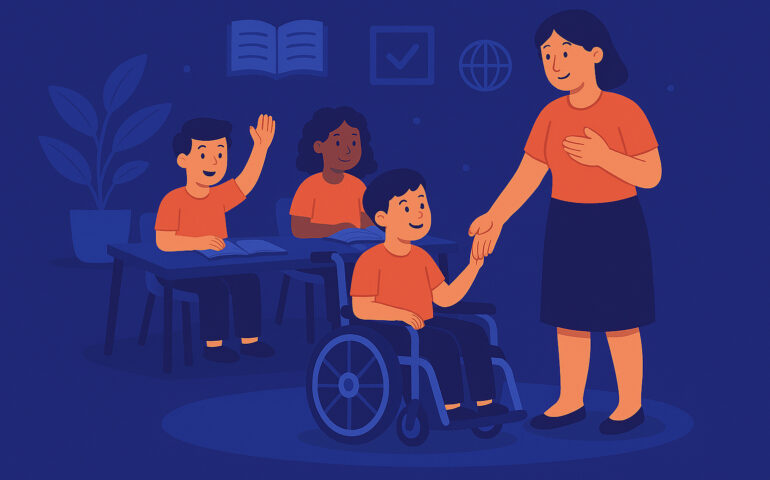
Why Inclusive Education Matters
Inclusive education ensures that learners with diverse abilities, backgrounds, and learning styles participate fully in mainstream classrooms. It’s rooted in dignity and the belief that diversity enriches learning. Why it matters: Inclusive classrooms promote empathy, normalize differences, and produce better

The Role of Teachers in the Digital Age
Technology changes how we teach; it doesn’t replace why we teach. The modern teacher’s job blends pedagogy, design, mentoring, and data-informed decision-making. 1) Designer of learning experiences Teachers architect the journey: clear outcomes, aligned assessments, and engaging activities. They flip


