
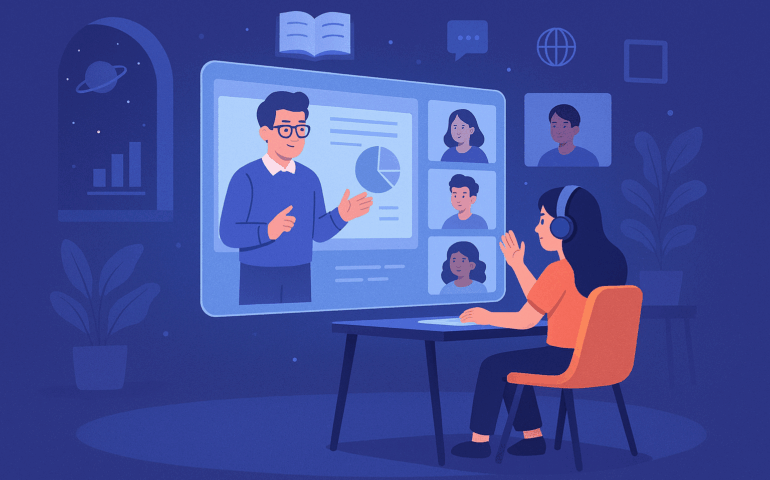
The Future of Virtual Classrooms
Virtual classrooms expand access to instruction, enable personalized pacing, and support innovative instructional designs. They are not merely video lectures but ecosystems of interaction, assessment, and multimedia learning. Why it matters: Virtual tools can democratize access to expert teaching, flexible
The Role of Arts in Holistic Education
The arts — music, visual arts, drama, dance — are central to expressive, cognitive, and social development. They foster creativity, emotional literacy, and divergent thinking. Why it matters: Arts practice supports fine-motor skills, pattern recognition, aesthetic judgment, and the ability
The Power of Reading Beyond the Classroom
Reading develops cognition, vocabulary, empathy, and cultural awareness. Beyond decoding words, strong reading habits shape how students understand complex ideas and relate to others. Why it matters: Regular engagement with a wide range of texts builds comprehension, critical thinking, and
STEM Education: Building the Innovators of Tomorrow
STEM education (Science, Technology, Engineering, Mathematics) teaches students how to ask questions, test ideas, and solve complex problems. It emphasizes inquiry-based learning, experimentation, and the scientific method, but contemporary STEM goes beyond labs and equations — it’s about building a
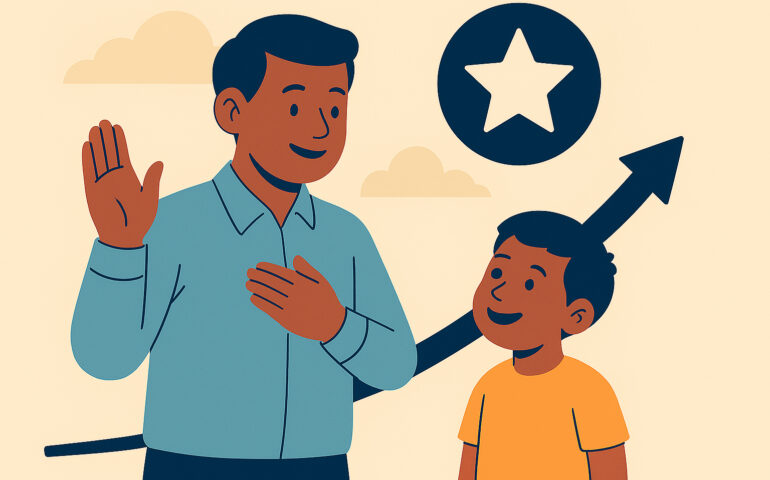
The Impact of Teachers as Role Models
Teachers shape more than academic outcomes: they model curiosity, problem-solving, resilience, and ethical behavior. The example a teacher sets can influence a child’s aspirations and habits for years. Why it matters: Students internalize attitudes toward learning, relationships, and self-efficacy from
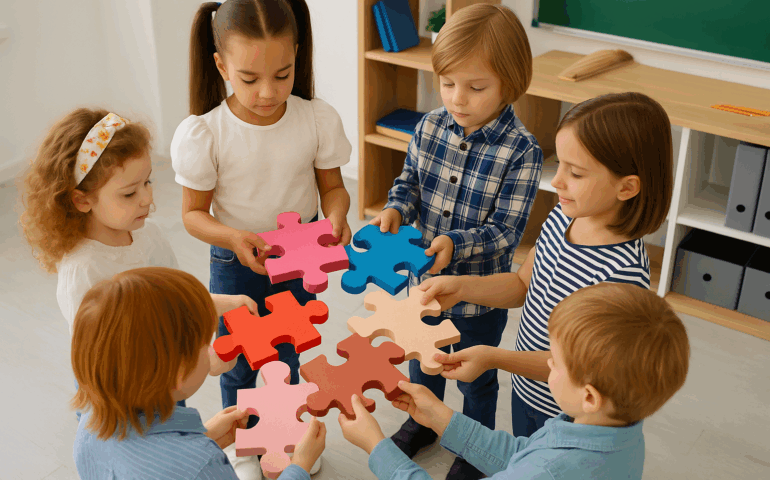
Active Learning Strategies Every Student Should Know
In today’s fast-paced academic environment, simply reading textbooks or listening to lectures isn’t enough to truly master complex concepts. Active learning flips the traditional approach by making students active participants in their own education. This approach enhances comprehension, retention, and

How to Beat Exam Stress and Stay Focused
Exams can be stressful, but with the right strategies, you can reduce anxiety and boost your concentration. Managing stress effectively not only improves your performance but also protects your mental well-being during exam season. 1. Create a Realistic Study Plan

The Science Behind Effective Note-Taking
Taking notes might seem like a simple task, but there’s actual science behind how it helps our brains learn, process, and remember information. Understanding the cognitive principles behind effective note-taking can transform the way you learn and retain knowledge. 1.

Why Early Childhood Education Shapes the Future
Education is often described as the foundation of human development, but the earliest years of learning play a far more significant role than most realize. Early childhood education is not just about preparing children for school, it’s about shaping the
The Role of Education in Promoting Social Equality
Introduction Education is not just about personal growth—it’s a powerful tool for building fair and equal societies. When access to quality education is provided to all, it breaks cycles of poverty and inequality. How education promotes social equality: Bridges Economic


