
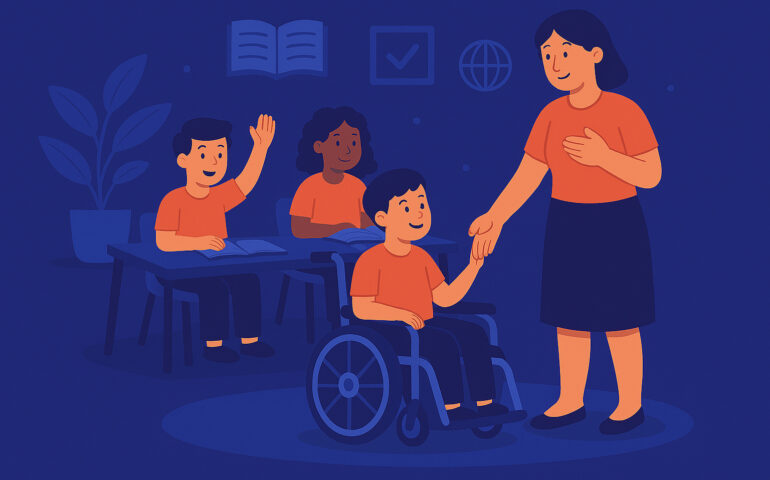
Why Inclusive Education Matters
Inclusive education ensures that learners with diverse abilities, backgrounds, and learning styles participate fully in mainstream classrooms. It’s rooted in dignity and the belief that diversity enriches learning. Why it matters: Inclusive classrooms promote empathy, normalize differences, and produce better

The Role of Teachers in the Digital Age
Technology changes how we teach; it doesn’t replace why we teach. The modern teacher’s job blends pedagogy, design, mentoring, and data-informed decision-making. 1) Designer of learning experiences Teachers architect the journey: clear outcomes, aligned assessments, and engaging activities. They flip
The Role of Parental Involvement in Student Success
The shift to virtual learning has transformed education worldwide. What began as an emergency solution during global disruptions has now become a permanent part of how we learn and teach. Virtual classrooms are no longer just about convenience — they’re
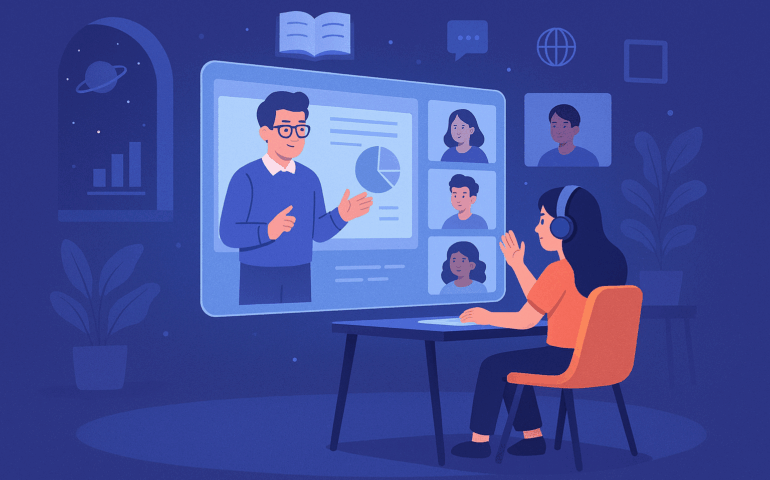
The Future of Virtual Classrooms
Virtual classrooms expand access to instruction, enable personalized pacing, and support innovative instructional designs. They are not merely video lectures but ecosystems of interaction, assessment, and multimedia learning. Why it matters: Virtual tools can democratize access to expert teaching, flexible

The Role of Arts in Holistic Education
The arts — music, visual arts, drama, dance — are central to expressive, cognitive, and social development. They foster creativity, emotional literacy, and divergent thinking. Why it matters: Arts practice supports fine-motor skills, pattern recognition, aesthetic judgment, and the ability
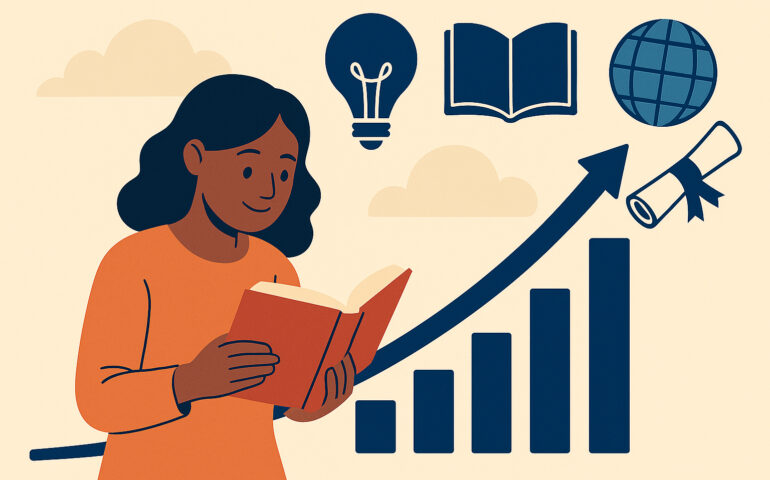
The Power of Reading Beyond the Classroom
Reading develops cognition, vocabulary, empathy, and cultural awareness. Beyond decoding words, strong reading habits shape how students understand complex ideas and relate to others. Why it matters: Regular engagement with a wide range of texts builds comprehension, critical thinking, and
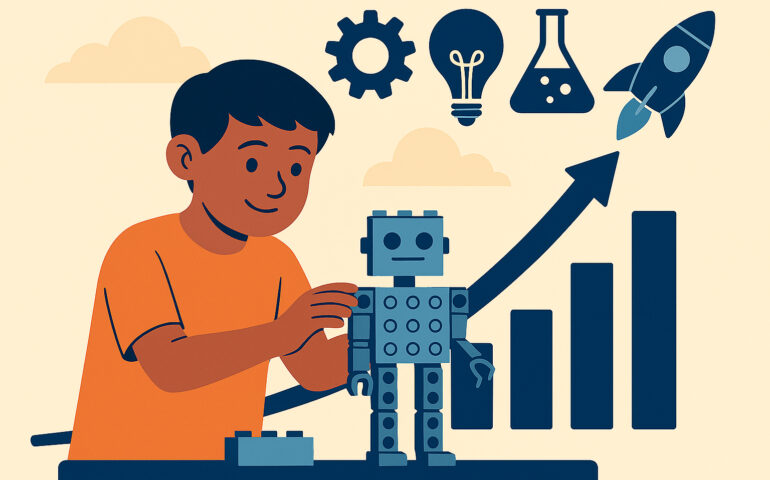
STEM Education: Building the Innovators of Tomorrow
STEM education (Science, Technology, Engineering, Mathematics) teaches students how to ask questions, test ideas, and solve complex problems. It emphasizes inquiry-based learning, experimentation, and the scientific method, but contemporary STEM goes beyond labs and equations — it’s about building a

The Impact of Teachers as Role Models
Teachers shape more than academic outcomes: they model curiosity, problem-solving, resilience, and ethical behavior. The example a teacher sets can influence a child’s aspirations and habits for years. Why it matters: Students internalize attitudes toward learning, relationships, and self-efficacy from

Active Learning Strategies Every Student Should Know
In today’s fast-paced academic environment, simply reading textbooks or listening to lectures isn’t enough to truly master complex concepts. Active learning flips the traditional approach by making students active participants in their own education. This approach enhances comprehension, retention, and

How to Beat Exam Stress and Stay Focused
Exams can be stressful, but with the right strategies, you can reduce anxiety and boost your concentration. Managing stress effectively not only improves your performance but also protects your mental well-being during exam season. 1. Create a Realistic Study Plan


