
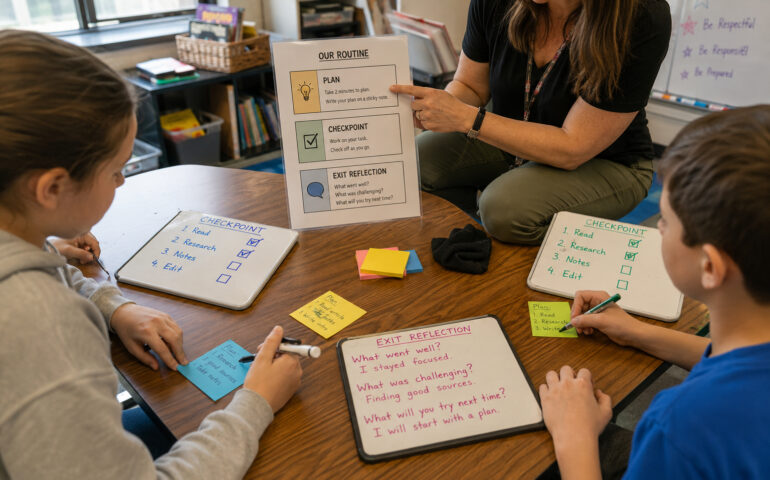
Routine Classroom Moves That Grow Learners’ Executive Habits
Classroom routines are more than time-savers; they are scaffolds for stronger executive skills. When teachers design concise, repeatable moves, students practice planning, monitoring, and adjusting their approach to learning. Small rituals anchored to explicit goals help learners internalize processes that
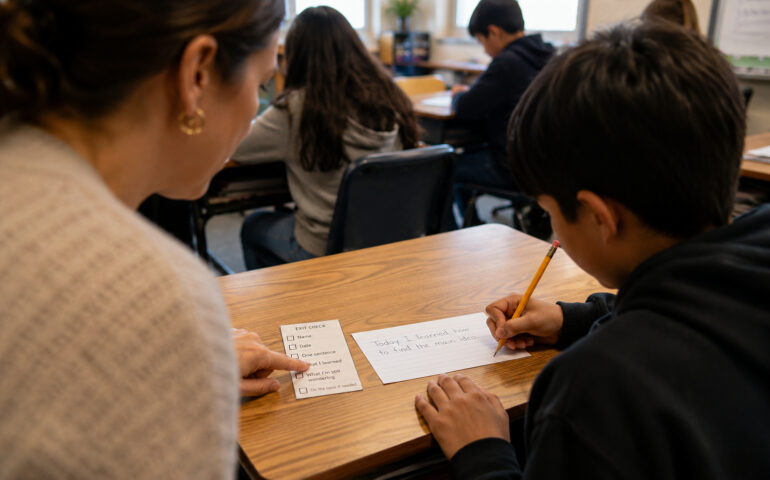
Everyday Teaching Moves That Strengthen Student Autonomy
Small, intentional teaching moves repeated daily are a powerful pathway to student autonomy. When teachers design brief, predictable interactions, learners develop the habits and confidence needed to manage tasks and choices. These micro-habits reduce cognitive load, support metacognition, and create
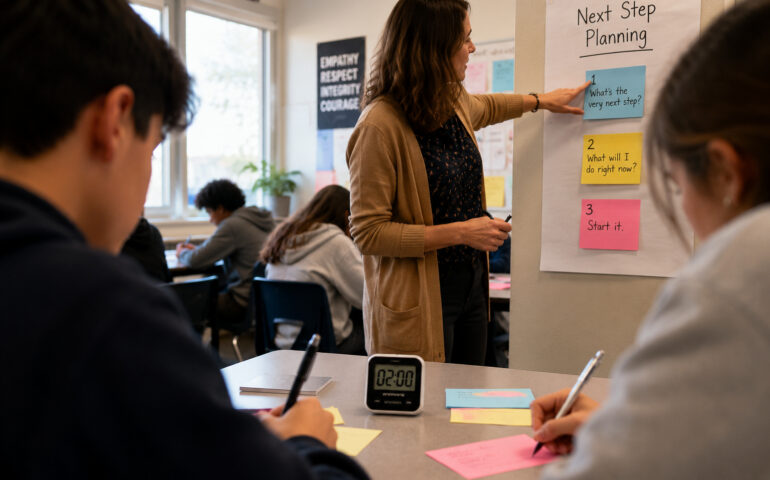
Teaching Students To Sequence Work Using Short Planning Frames
Short planning frames help students break tasks into manageable steps and reduce overwhelm. When learners use compact sequences they build clarity about priorities and time needed. Teaching sequencing explicitly makes hidden cognitive processes visible and repeatable. This piece outlines practical
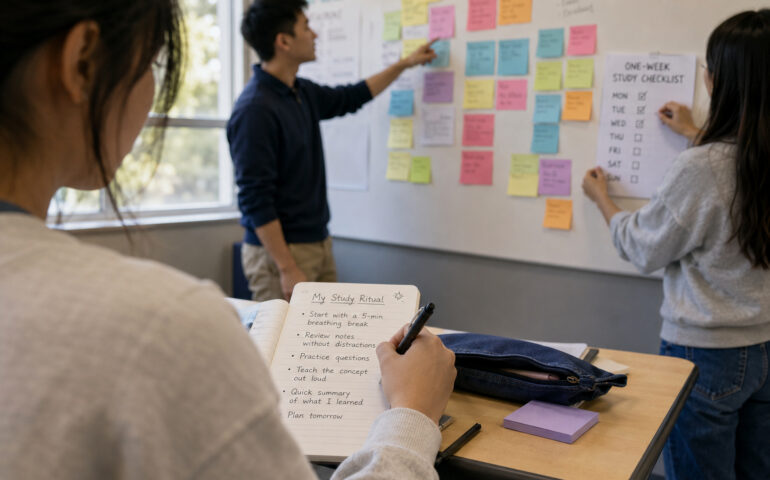
Teaching Students to Curate Their Own Learning Routines
Helping students design their own study rituals builds agency and makes learning more sustainable. When learners choose techniques that reflect their preferences and constraints, routines are more likely to stick. Teachers can scaffold this process through brief prompts, templates, and
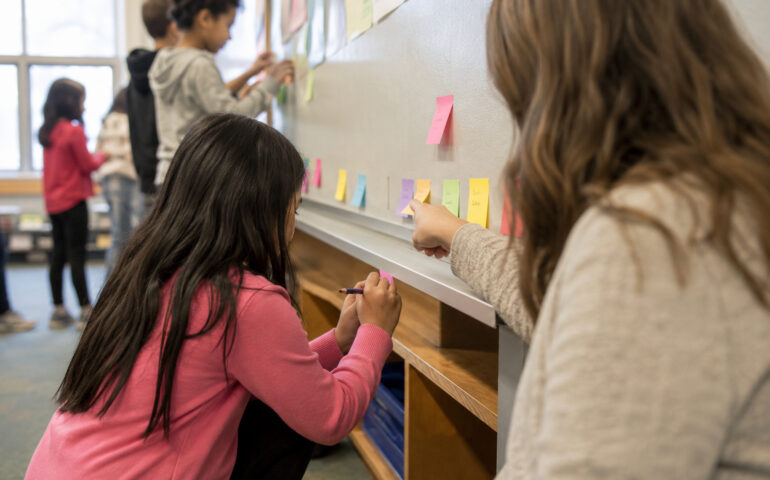
Turning Short Debriefs into Actionable Learning Steps
Short debriefs are quick post-activity conversations that close the feedback loop and surface immediate insights. When designed well they turn vague impressions into concrete next moves for both teachers and learners. Used routinely, brief debriefs sharpen awareness, reduce drift between
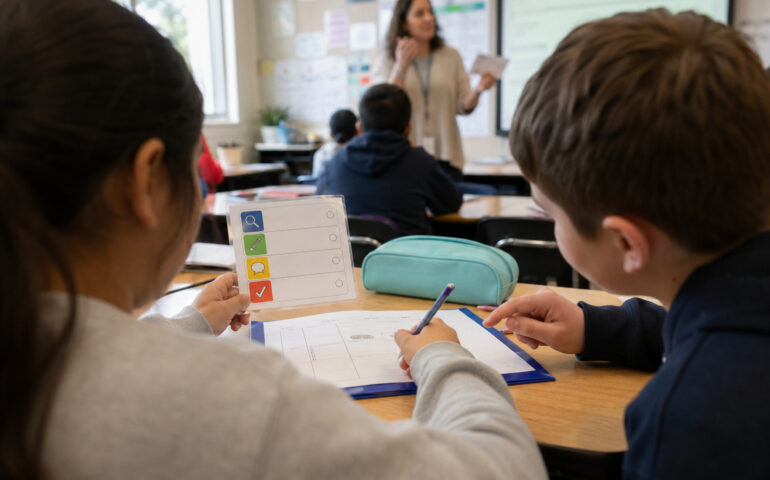
Creating Student-Friendly Structures for Independent Learning Growth
Small, clear structures help learners move from guided practice to confident independence. Teachers can design brief routines that scaffold decision making and encourage reflection. When routines are predictable but flexible, students learn to adapt strategies to new tasks. This article
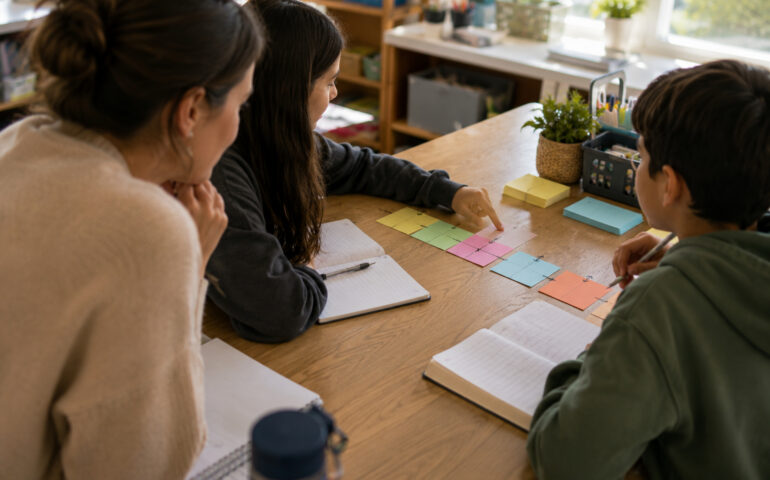
Helping Students Build Personal Learning Playlists for Focus
Students who organize brief, repeatable study sequences report better focus and clearer transitions between tasks. A learning playlist is a short, intentional sequence of activities students can follow to start, sustain, and end study sessions. These playlists combine metacognitive prompts,
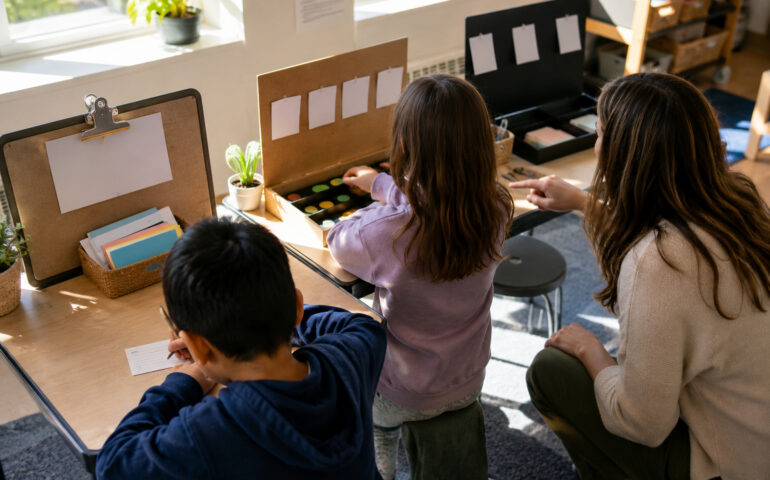
Building Classroom Reflection Cycles for Sustainable Student Independence
Reflection cycles give students predictable moments to pause, evaluate, and plan their next steps. When these cycles are compact and routine, learners build habits of self-monitoring without adding heavy workload. A short, repeated structure helps students connect daily practice to
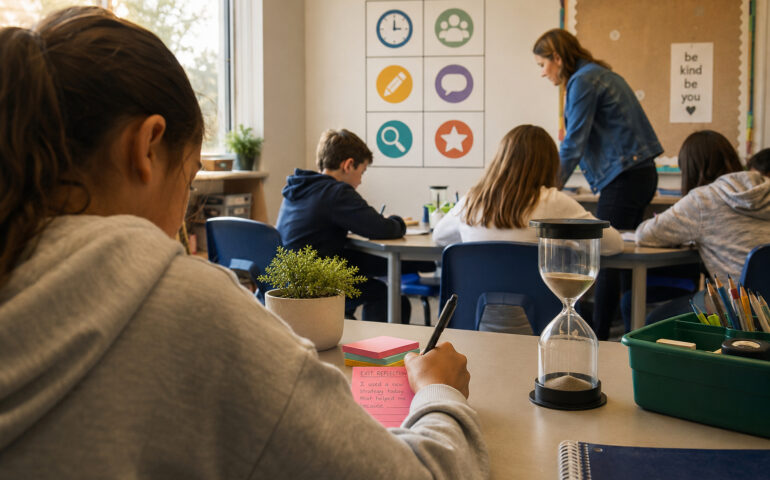
Practical Student Routines to Sustain Learning Momentum
Consistent routines are the scaffolding that help students turn effort into progress. Small, repeatable structures reduce decision fatigue and create predictable opportunities for practice and reflection. When routines are deliberately designed they encourage steady momentum and clearer goal pursuit. This
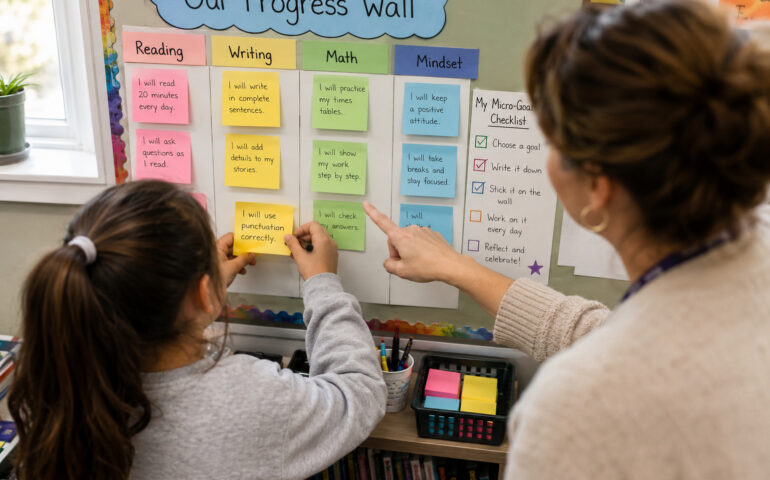
Teaching Learners to Define and Track Meaningful Micro-Goals
Helping students break larger tasks into short, measurable steps is one of the most practical ways to build momentum and confidence. Micro-goals offer clear evidence of progress, reduce overwhelm, and make metacognitive habits teachable. When learners set and track small,


