
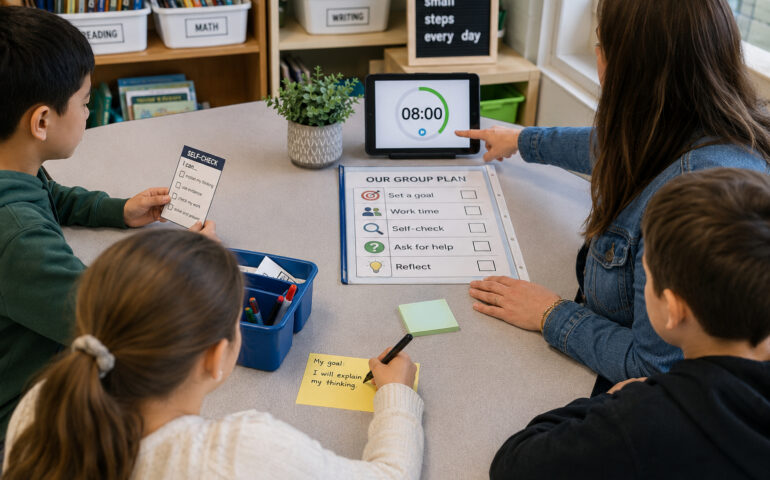
Designing Lightweight Student Workflows for Deeper Learning
Many students struggle to turn assignments into steady, manageable progress. A lightweight workflow provides clear, repeatable steps students can apply each day. It reduces cognitive load while preserving opportunities for reflection and adjustment. Below are practical components and classroom actions
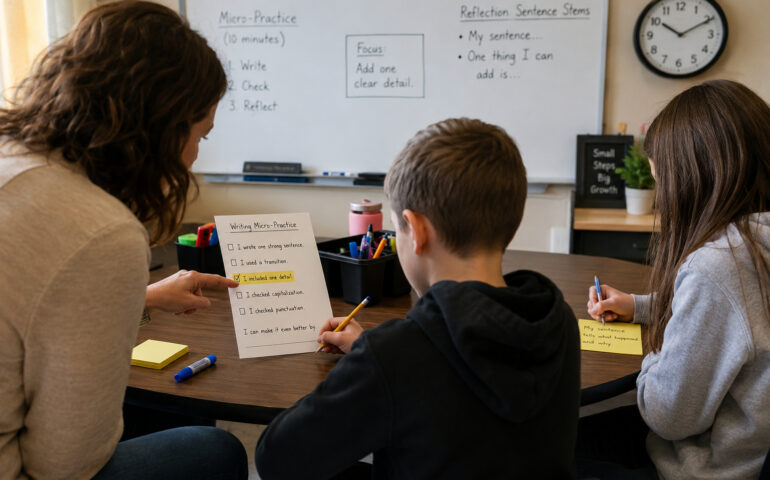
Helping Students Translate Practice into Confident Performance
Students often practice tasks without closing the gap between repetition and reliable performance. Teachers can design simple structures that make practice purposeful and measurable. This article outlines practical steps to turn everyday practice into confident demonstrations of learning. These approaches
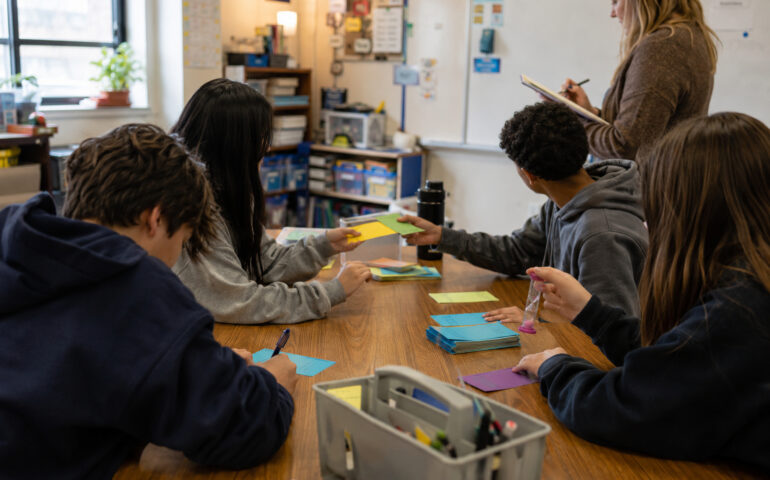
Creating Compact Learning Loops That Promote Student Agency
Teachers seeking to increase learner ownership often benefit from compact, repeatable systems that students can adopt without heavy overhead. Small learning loops focus attention, clarify next steps, and turn reflection into action within everyday lessons. When students practice short cycles
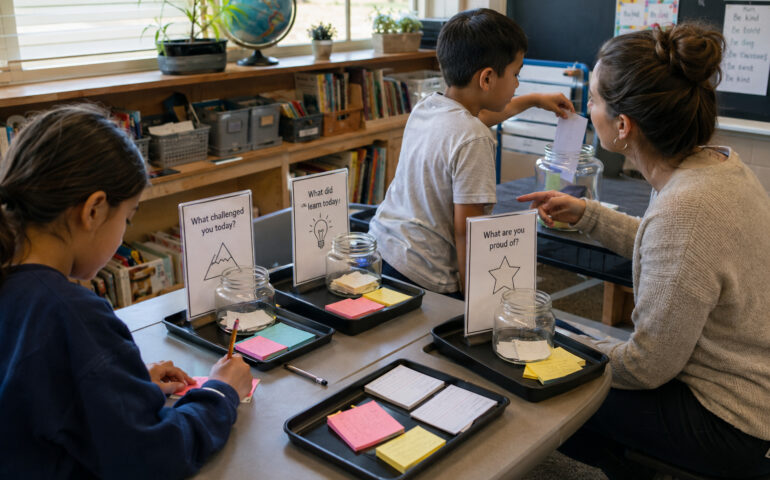
Structuring Brief Reflection Stations to Strengthen Student Ownership
Reflection stations are compact, focused moments in a lesson where learners pause to consider what they know and what comes next. When implemented deliberately, these stations help students practice metacognition without taking up large chunks of classroom time. They can
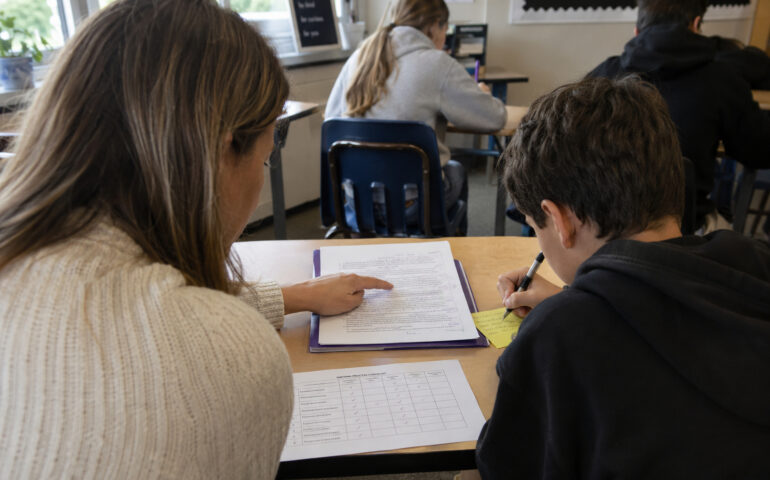
Turning Small Failures Into Productive Student Learning Moments
Classroom setbacks are often treated as endpoints rather than steps in a learning process. Reframing small failures as information lets students experiment without fear and sharpen metacognitive skills. Teachers who design predictable opportunities to fail safely help learners iterate more
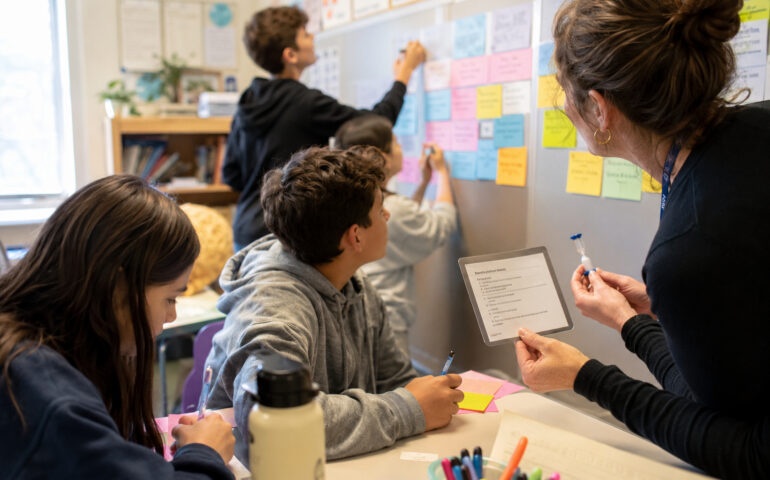
Teaching One-Minute Summaries to Build Transferable Study Habits
One-minute summaries are a compact routine teachers can introduce in minutes and reuse every lesson. They ask students to capture core ideas and application steps in a tightly timed format. Used regularly, the exercise builds precision, recall, and the habit
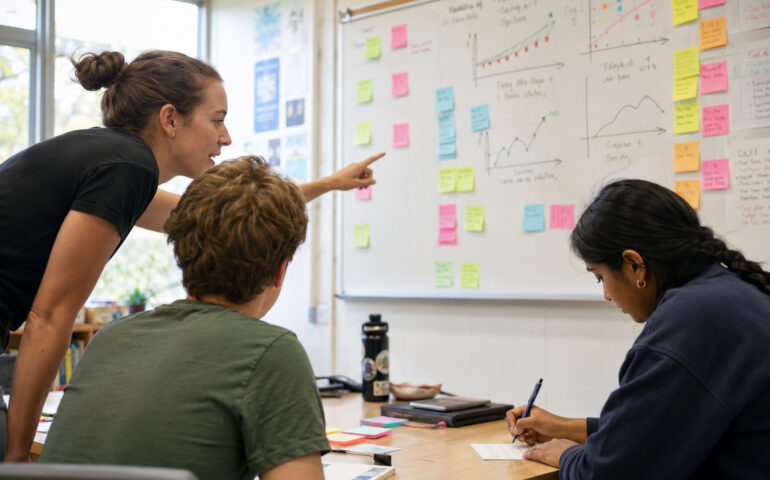
From Task to Insight: Teaching Students How to Refine Study Methods
Helping students move from completing tasks to generating insights about how they learn is one of the most valuable classroom outcomes. When teachers model short experiments and reflection cycles, learners begin to treat study strategies as testable tools rather than
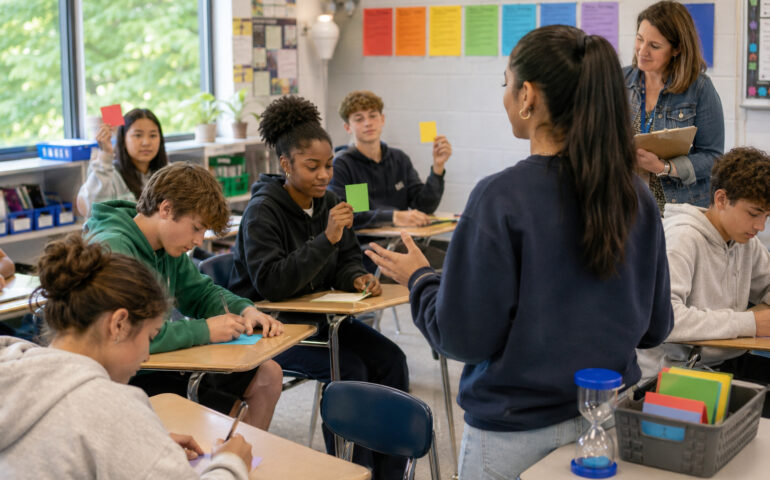
Scaffolding Simple Routines to Grow Student Learning Ownership
Simple, scaffolded routines give learners predictable structure and make practice manageable. When routines are compact and clear, students spend less energy on decisions and more on skill growth. Teachers can design small rituals that promote reflection, practice, and transfer between
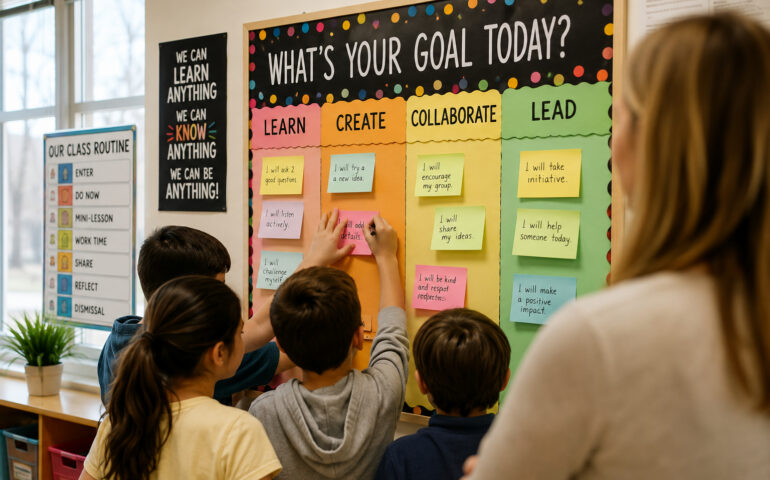
Designing Classroom Moments That Nurture Learner Agency
Classrooms that foster independence often begin with small, intentional moments embedded in daily routines. When teachers design brief, repeatable structures students can anticipate, those structures become scaffolds for decision-making and self-regulation. This article outlines practical approaches teachers can use to
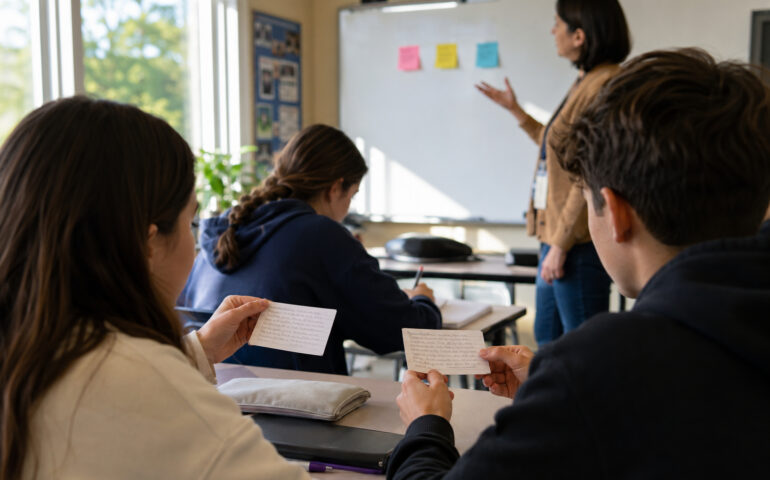
Simple Frameworks to Help Students Own Their Learning
Teachers who want learners to take responsibility need strategies that fit into everyday lessons. Small, repeatable frameworks reduce friction and give students clear choices. When frameworks are compact they are easier to teach, practice, and refine. The result is steady


