
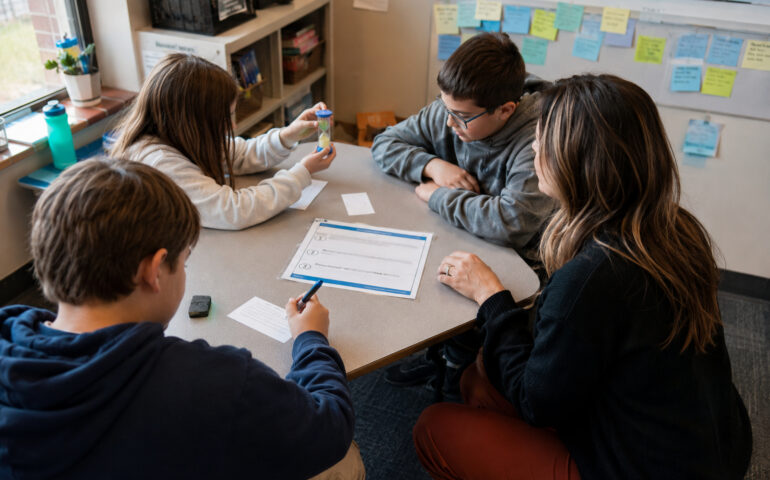
Structured Mini-Routines to Grow Student Learning Independence
Small, repeatable classroom routines help students develop independent learning skills over time. When routines are compact and clearly framed, students understand expectations and can self-regulate with less teacher prompting. Mini-routines create predictable moments for planning, monitoring, and reflecting within existing
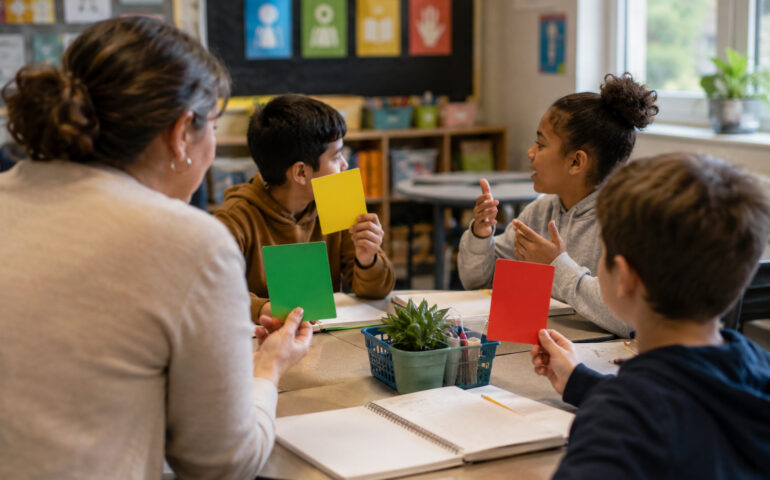
Teaching Students Portable Self-Check Routines for Learning
Every classroom benefits when students learn quick, portable ways to self-assess. Short routines that students can use independently help them notice gaps and adjust strategies. These habits translate across subjects, simplify teacher feedback, and build learner confidence. This article describes
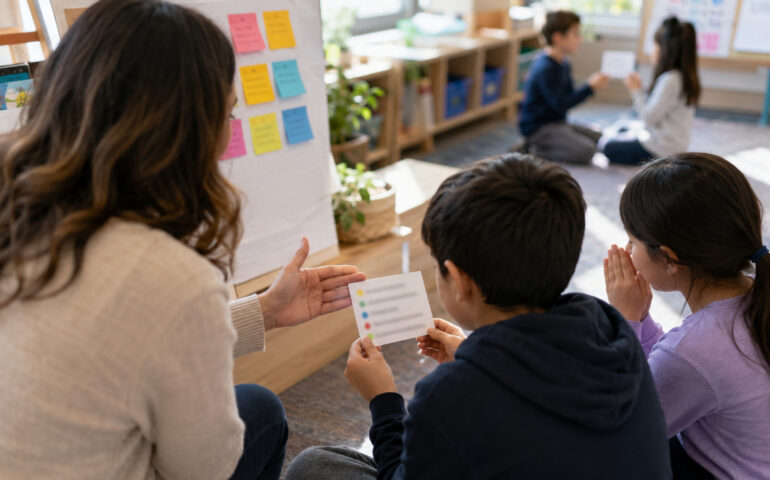
Teaching Transferable Metacognitive Scripts for Everyday Learning
Metacognitive scripts are short, repeatable prompts students use to plan, monitor, and evaluate their learning. When intentionally taught, these scripts become portable strategies that learners apply across tasks and subjects. The goal is to move students from ad hoc reflection
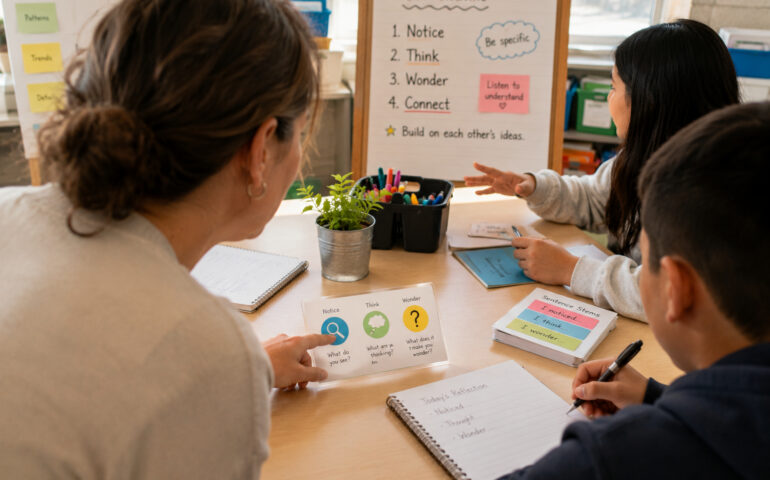
Establishing Simple Learning Frameworks to Boost Student Agency
Students learn best when routines reduce cognitive load and free attention for deeper thinking. Simple frameworks give predictable practice, clearer goals, and a shared language for instruction. Teachers can introduce compact structures that students repeat daily until they become automated.

Guiding Students to Construct Personal Study Ecosystems
Students who build a compact, personal study ecosystem can manage learning more effectively. Teachers can guide that design with small, repeatable choices rather than prescriptive programs. A focus on portability, feedback, and reflection helps learners apply skills across contexts. This
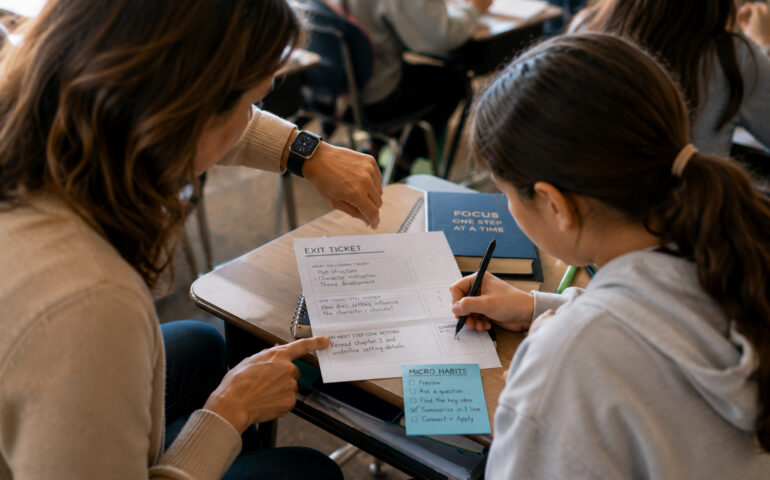
Micro-Conferences: Fast Teacher-Student Exchanges for Growth
Micro-conferences are brief, targeted conversations between teacher and learner designed to accelerate progress without interrupting class momentum. They typically last two to five minutes and focus on a single learning goal or strategy, making them efficient for busy schedules. When

Short Instructional Patterns That Increase Student Responsibility
Short instructional patterns, used routinely, can shift daily responsibility to learners and strengthen classroom independence. They are brief, repeatable moves teachers insert into lessons so expectations become predictable and students practice ownership. When patterns are intentionally designed they reduce cognitive
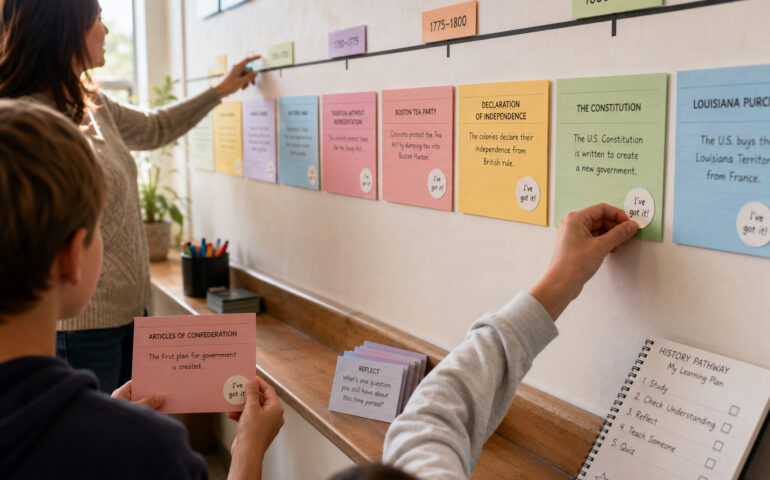
Helping Students Engineer Repeatable Pathways to Mastery
Students learn more effectively when they can turn one-off tasks into predictable, reusable workflows. Teaching learners to engineer repeatable pathways gives them a toolkit for planning, monitoring, and adapting their study. This article outlines practical steps teachers can use to
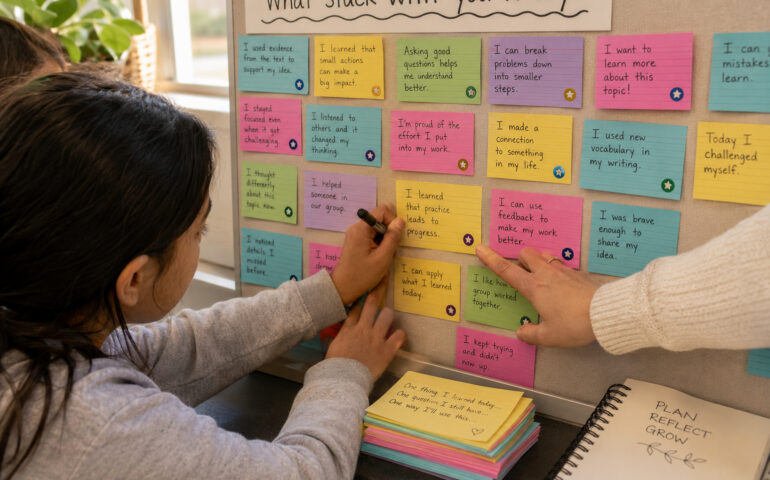
How Brief Reflection Prompts Build Long-Term Learner Independence
Short, focused reflection prompts give students a clear path to notice and shape their own learning. They take minimal class time yet create frequent moments of metacognition that accumulate over weeks. When students answer the same kinds of prompts consistently,

Designing Lightweight Reflection Routines for Everyday Learning
Lightweight reflection routines give students a quick way to consolidate learning and develop metacognitive awareness without taking class time away from instruction. Short, consistent prompts encourage habit formation and make thinking visible to teachers. This article outlines why brief reflections


