
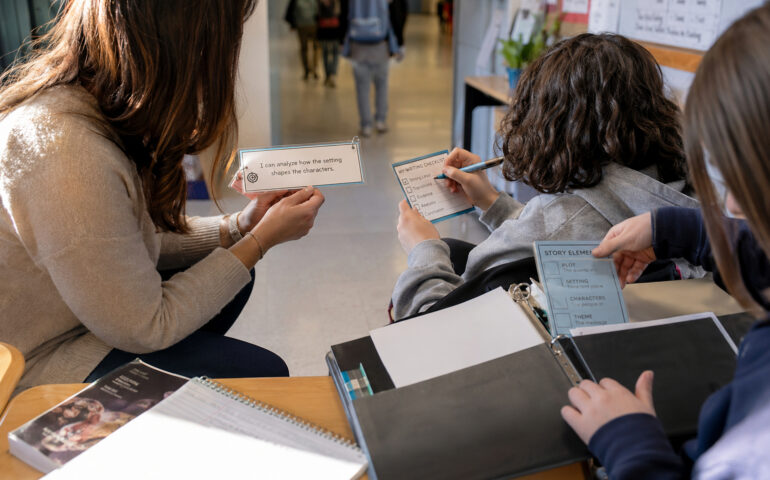
A Classroom Guide to Portable Student Study Systems
Students who can carry a simple, repeatable study system between classes and subjects gain confidence and efficiency. Portable study systems are compact routines or templates learners use to plan, monitor, and transfer skills across tasks. When teachers model and scaffold
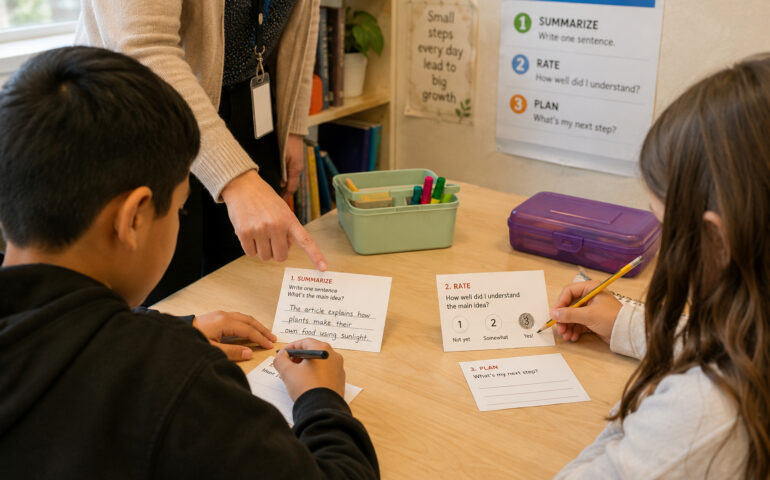
Designing Clear Habits to Foster Student Autonomy
Students gain independence not through grand overhauls but through steady, intentional habits that fit into daily classroom rhythms. A focused set of micro-routines gives learners predictable choices, clearer goals, and manageable checkpoints that reduce overwhelm. When teachers design simple, repeatable
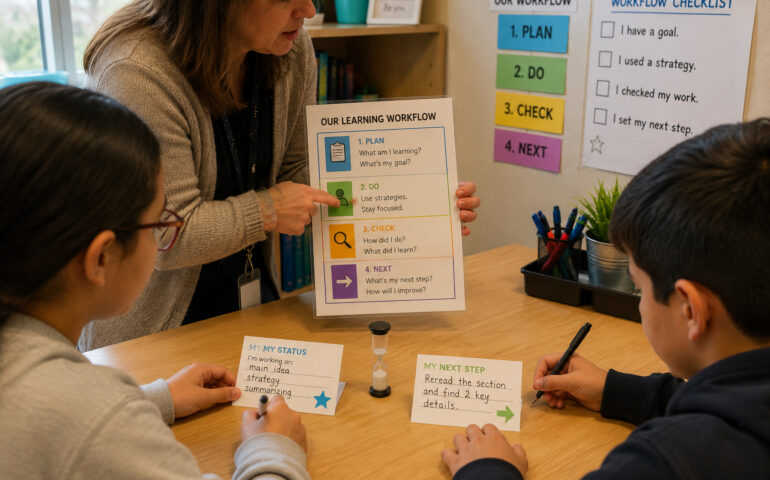
Teaching Students to Manage Their Own Learning Workflows
Helping learners manage their own workflows is a practical step toward greater independence and sustained progress. When students can organize tasks, prioritize actions, and monitor outcomes, they become more resilient problem-solvers. Teachers who scaffold these habits offer structure without taking

Designing Brief Peer Challenges to Boost Student Initiative
Brief, focused peer challenges are a low-friction way to build student initiative and collaboration. When tasks are small and clearly bounded, more students participate and practice decision-making. These challenges can be embedded into transitions, openings, or as quick checks for
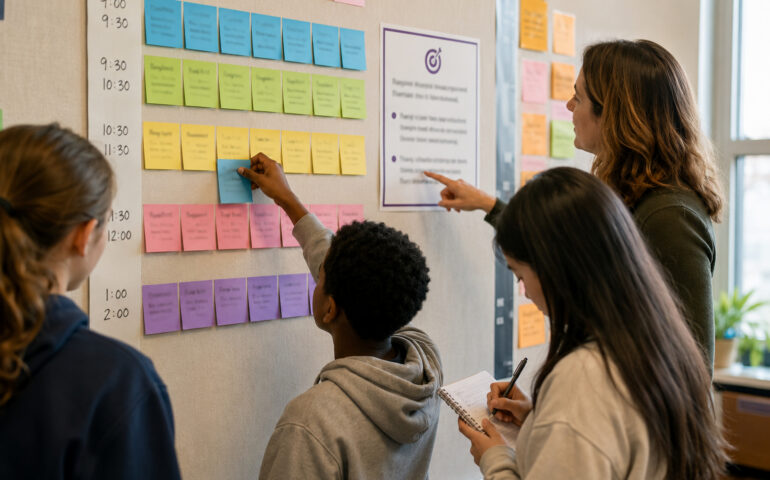
A Practical Method for Student-Led Study Planning
Helping students manage their study time starts with a straightforward, repeatable method. This approach places planning and reflection in students’ hands while still allowing teacher guidance. It fits into class routines and out-of-class homework and scales across subjects. Used consistently,
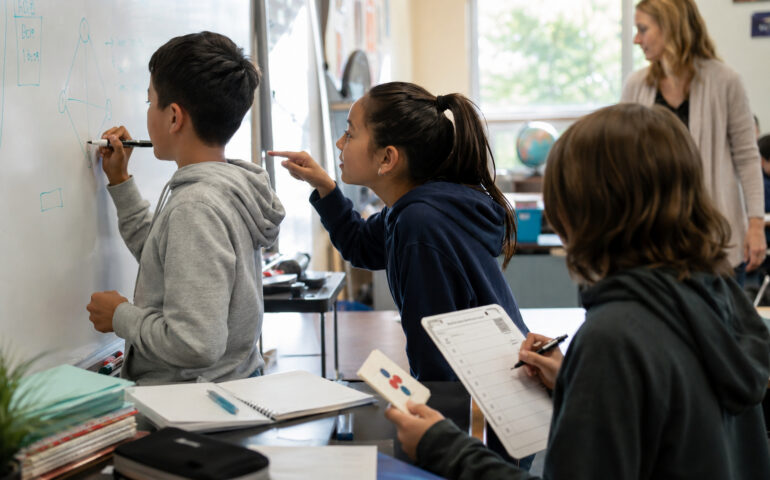
Peer-to-Peer Structures That Foster Independent Learning Habits
Peer-to-peer classroom structures give learners sustained opportunities to practice planning, explaining, and evaluating work with real responsibility. When carefully designed, these interactions shift routine cognitive tasks from teacher-led to student-managed moments, leaving room for deeper instruction. Small, repeatable protocols create
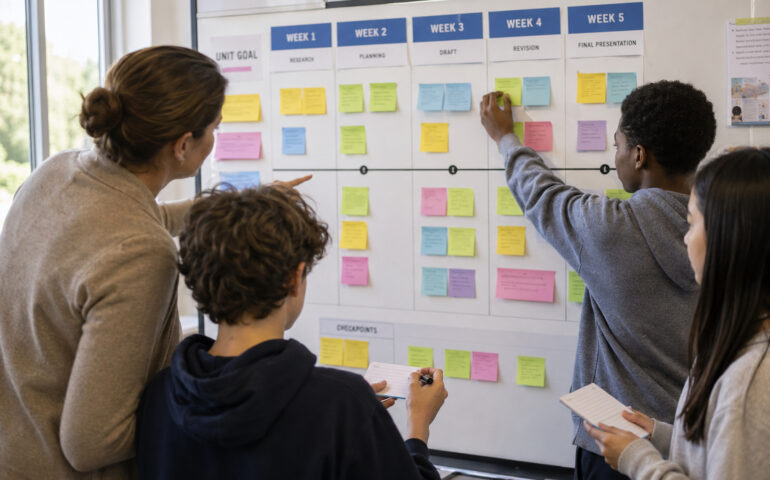
A Classroom Framework for Student Project Management Skills
Teaching students how to plan and execute projects equips them with transferable skills that extend beyond any single subject. A clear classroom framework helps learners break complex tasks into manageable steps, set milestones, and adapt when work goes off course.
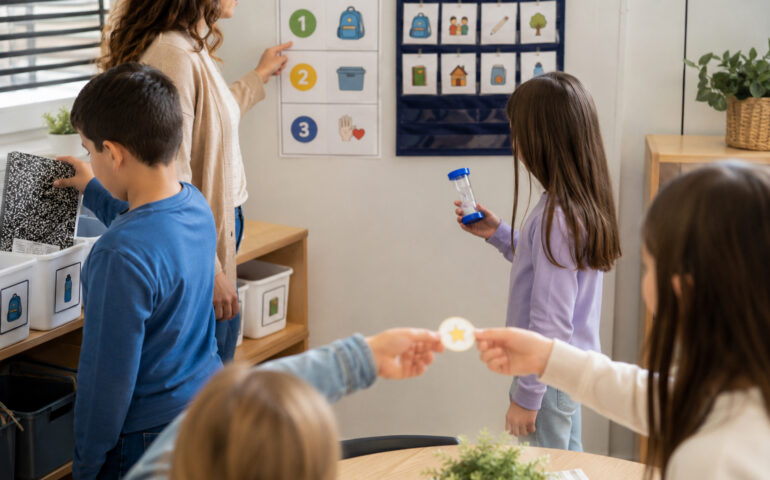
Transition Rituals to Boost Student Self-Management Skills
Small, predictable routines between lessons or activities help students shift focus and take responsibility for their learning. Well-designed transition rituals reduce downtime, clarify expectations, and create space for brief reflection or planning. When students learn the cues and steps, those
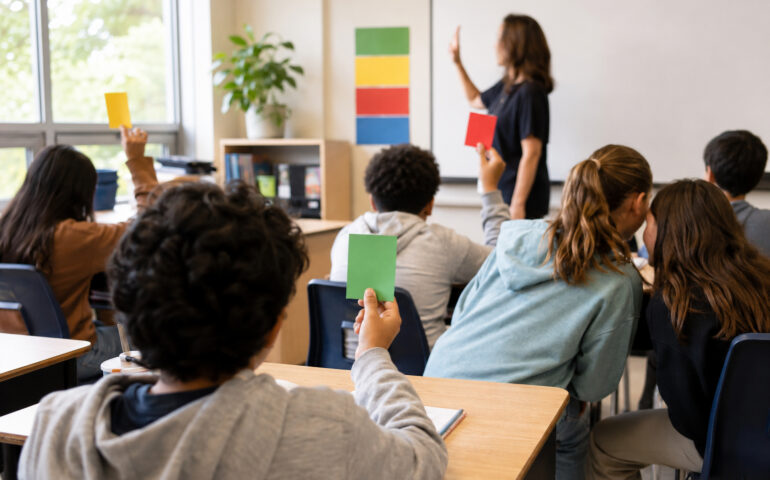
Practical Mid-Lesson Signals That Build Student Ownership
Mid-lesson signals are brief, intentional cues teachers use to refocus, transition, or check understanding. When designed with purpose, they minimize disruption and create predictable opportunities for students to make choices. Used consistently, these cues help learners monitor their progress and
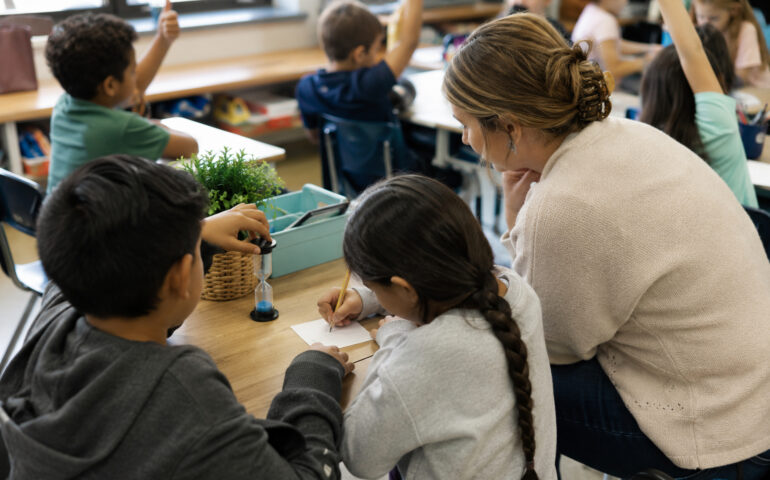
Practical Routines to Build Student Self-Regulation Skills
Small, consistent routines help students practice self-regulation in manageable steps. When teachers intentionally design brief habits, students gain confidence and clarity. These routines reduce cognitive load and create space for reflection and choice. Over time, tiny practices compound into reliable


