

Planning Long-Term Education Budgets for Families and Students
Rising education expenses are a central concern for many households and learners preparing for the future. Establishing a clear budget and realistic expectations helps manage costs while keeping learning goals on track. This article outlines practical steps to assess expenses,

Making Education Costs Predictable Through Smart Planning
Rising education expenses create uncertainty for students and families alike. Understanding the components of these costs makes planning easier and more effective. This article outlines practical steps to assess, prioritize, and manage education spending. Implementing a structured approach helps keep

Creating a Sustainable Plan for Education Spending
Education costs are a persistent concern for families and institutions alike, and building a sustainable plan helps reduce stress and unexpected burdens. This article outlines practical steps to assess expenses, prioritize spending, and explore funding alternatives. Clear planning turns a

A Practical Framework for Funding Lifelong Learning Costs
Education costs can accumulate across years and different stages of learning, making them hard to predict. A practical framework helps families and individuals translate goals into actionable budgets and funding choices. This article outlines steps to assess expenses, prioritize funding

Strategies for Funding Education Without Financial Strain
Education costs can feel unpredictable, but a structured approach turns uncertainty into manageable steps. Taking time to understand the true scope of expenses helps families and individuals make informed choices. By combining realistic budgeting with adaptable planning, it is possible

Creating Flexible Milestone-Based Plans for Education Expenses
Managing education expenses across multiple life stages requires a plan that adapts as goals and circumstances change. Breaking costs into milestone-based goals helps families prioritize spending and align savings with timing. This approach makes trade-offs clearer and reduces the stress
Strategies to Reduce and Plan for Education Costs
Managing the cost of education requires both immediate steps and long-term planning. Families and students face a mix of tuition, fees, and living expenses that can quickly add up. A clear approach helps prioritize spending, identify funding sources, and reduce

Practical Ways to Manage Rising Education Expenses
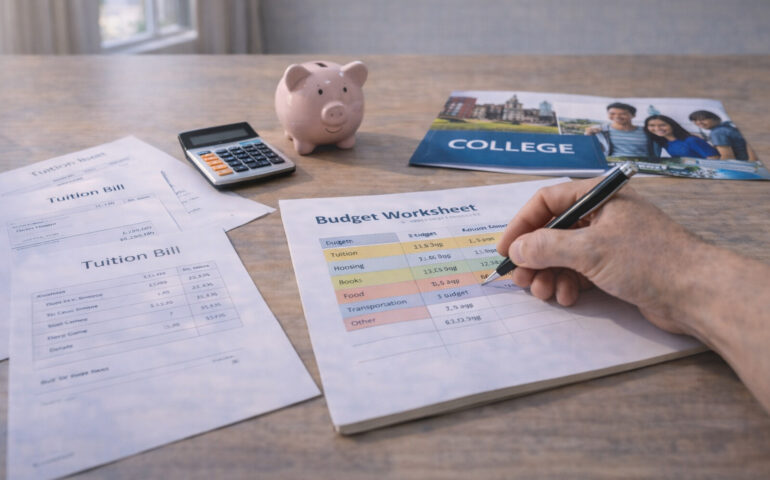
Education expenses are a major consideration for learners at all stages, from certificates to advanced degrees. Costs extend beyond tuition to include fees, books, housing, transportation and personal expenses. Understanding and planning for these elements early can significantly reduce financial

Balancing Budgets and Priorities for Education Expenses
Education expenses can feel overwhelming without a clear plan and realistic expectations. Assessing costs early and understanding the range of expenses helps families and students make informed choices. A disciplined approach to saving and spending reduces stress while preserving opportunities.

Making Education Costs Predictable: Strategies for Families
Rising education expenses can be a constant source of stress for families planning long-term learning goals. Developing predictable approaches to paying for tuition, materials, enrichment activities, and unexpected fees helps reduce uncertainty and supports better short- and long-term decisions. This


