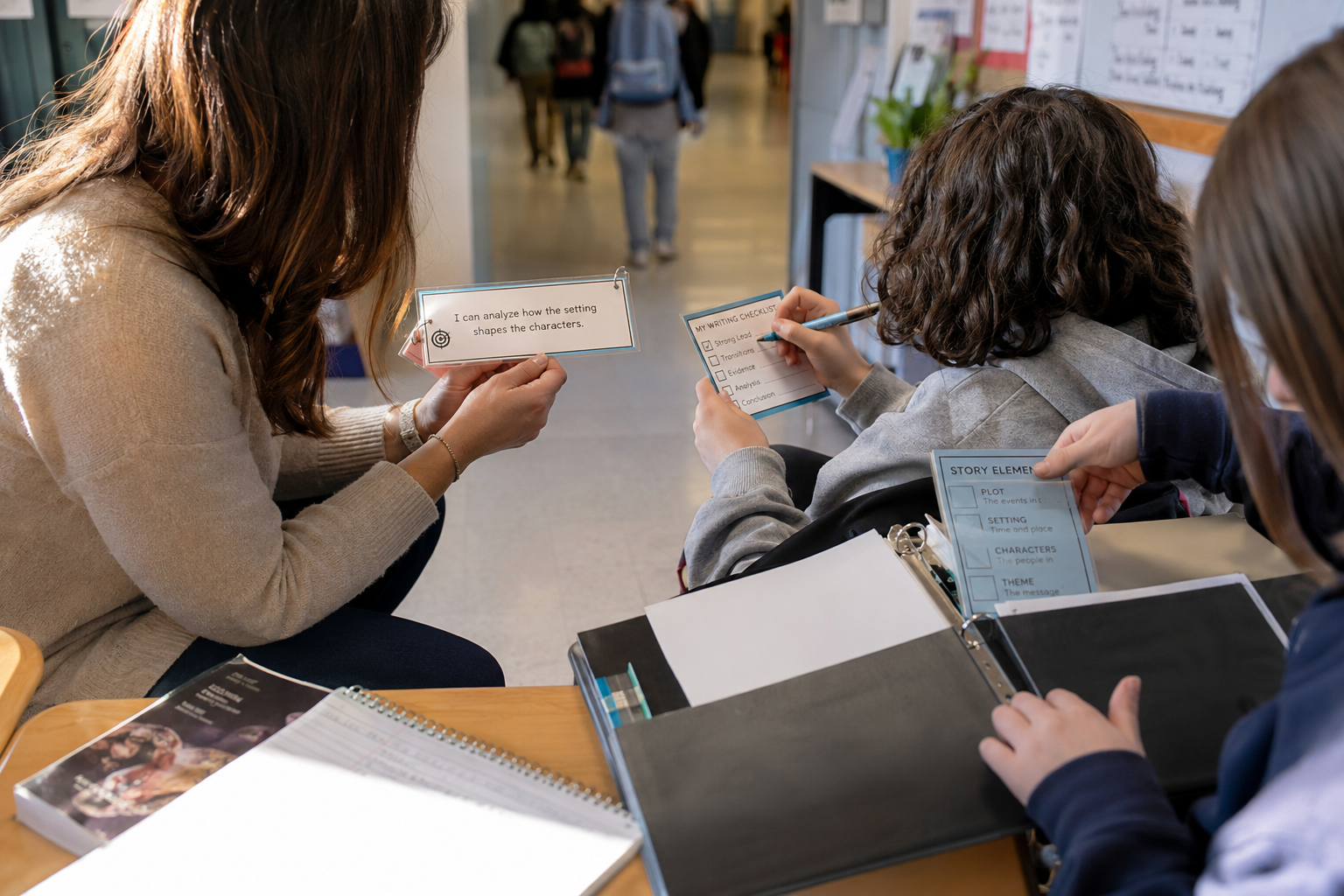
Students who can carry a simple, repeatable study system between classes and subjects gain confidence and efficiency. Portable study systems are compact routines or templates learners use to plan, monitor, and transfer skills across tasks. When teachers model and scaffold these systems, learners are more likely to maintain focus and make measurable progress. This guide outlines why compact study playbooks work, what to include, and how to introduce them without overloading a class. The goal is practical, classroom-ready approaches that students can adopt and adapt independently.
Why portable study systems matter
Portable study systems matter because they reduce cognitive load and create predictable structures for independent work. Rather than inventing a plan for every assignment, students use the same checklist or template to clarify goals, select strategies, and judge progress. This repeatability helps students move lessons into long-term habits and increases reliability across subjects. Teachers see improved task initiation and clearer evidence of skill transfer when systems are applied consistently.
- Clear starting steps so students begin tasks quickly
- Quick exit checks to capture evidence of learning
- Simple reflection prompts that encourage next-step planning
Start small: one two-minute routine is better than a complex planner students won’t use. Early wins build buy-in and make adoption more likely.
Core elements of an effective study playbook
An effective study playbook centers on three core elements: goal-setting, strategy selection, and short metacognitive checks. Goals should be concrete and measurable, written in student language so learners can self-assess. Strategy selection means offering a small menu of techniques—note formats, retrieval prompts, or summarizing moves—that match the task. Metacognitive checks are brief moments where students mark progress and decide next steps.
- A one-sentence goal template that orients the task
- Two reliable strategies students can try immediately
- A 60-second self-check to record progress
- A place to note the next practice or resource
Keep elements visible and portable — a laminated card or a digital template works. The simpler the components, the more likely students are to use them independently.
How to introduce the system in class
Introduce the system with modeling, guided practice, and gradual release. Demonstrate the playbook on a real task, think aloud through decisions, then let students try with peer feedback. Use short cycles and collect quick data on use and outcomes to refine the prompts. Invite students to personalize language while preserving the core structure.
- Model one example with a think-aloud
- Practice in pairs with scaffolded prompts
- Reflect briefly and adjust the template
Allocate class time for the initial rollout and follow up with brief check-ins. Over several weeks the system should require less teacher prompting and greater student ownership.
Conclusion
Portable study systems are low-cost, high-impact interventions that promote transfer and independence. When teachers prioritize clarity and simplicity, students adopt habits that support lifelong learning. Start with a tiny playbook, iterate with student input, and scale what works.