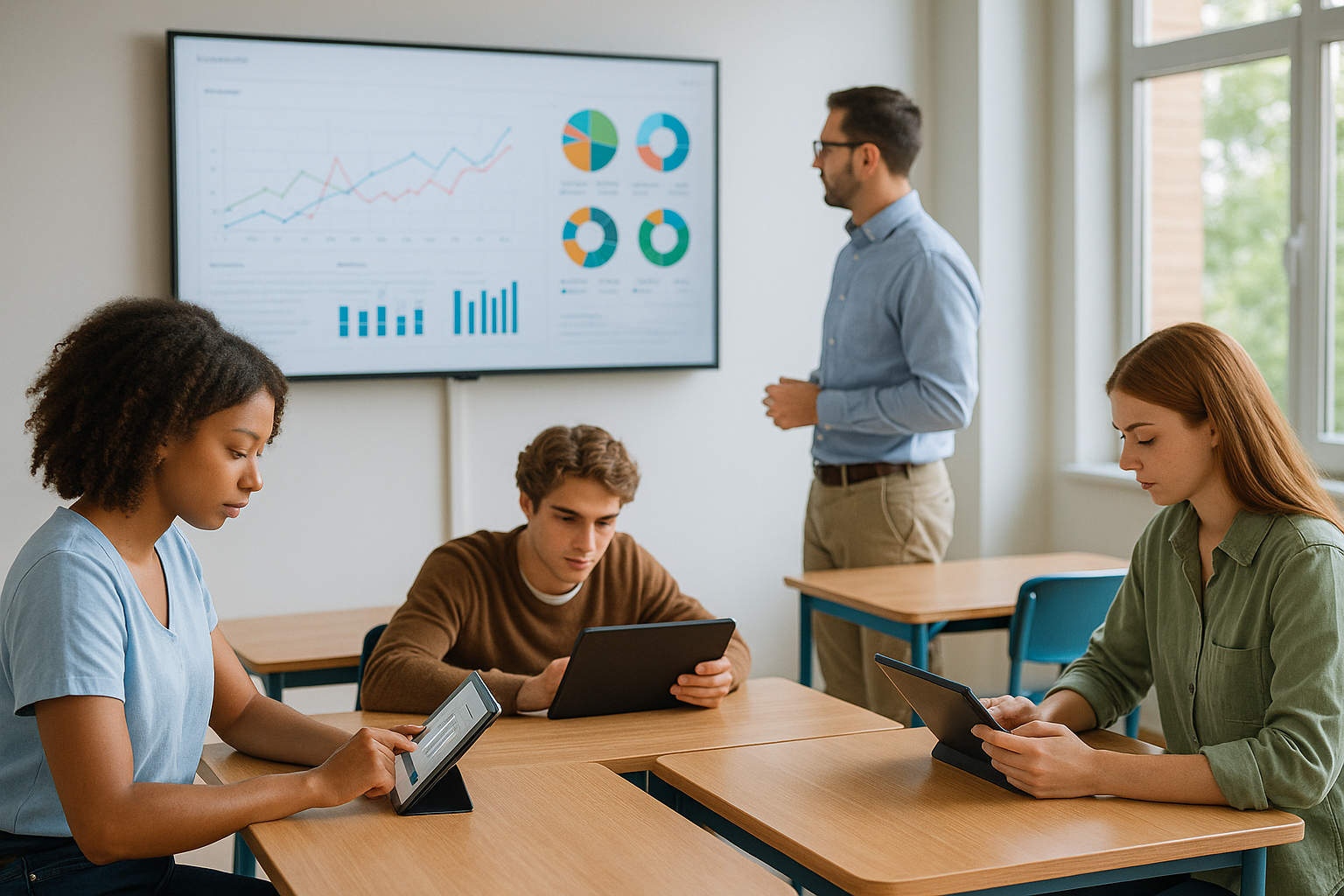
Education is becoming smarter—and more personal—thanks to adaptive learning technology. This innovative approach uses data and artificial intelligence to tailor lessons, pace, and assessments to each student’s unique needs. No longer confined to a one-size-fits-all model, adaptive learning is redefining how students learn and how educators teach, creating a more effective and engaging classroom experience.
What Is Adaptive Learning?
Adaptive learning technology adjusts educational content based on how a student interacts with it. Using AI-driven algorithms, these systems analyze performance in real time—identifying strengths, weaknesses, and learning preferences. For example, if a student struggles with a math concept, the software provides additional practice problems or alternative explanations until mastery is achieved. It’s like having a personal tutor available anytime, anywhere.
Personalization That Drives Performance
The biggest advantage of adaptive learning is its ability to personalize instruction. Every learner progresses at their own pace, receiving the right level of challenge to stay motivated without feeling overwhelmed. This flexibility benefits students across all skill levels—from those who need extra support to those ready to move ahead. Instructors, meanwhile, gain valuable insights into student progress, enabling targeted intervention and support.
Enhancing Engagement and Retention
Traditional lectures can’t always hold students’ attention, but adaptive tools turn learning into an interactive experience. Many platforms incorporate gamification elements—like badges, levels, and instant feedback—to make learning more enjoyable. The system’s ability to continuously adjust keeps students engaged and reduces frustration, ultimately improving comprehension and retention.
The Role of Educators in Adaptive Learning
Rather than replacing teachers, adaptive technology empowers them. Educators can use real-time data dashboards to identify which students need help and which topics require review. This allows them to focus classroom time on higher-order discussions and personalized mentoring. By automating repetitive tasks like grading or quiz generation, adaptive systems free teachers to do what they do best—guide, inspire, and connect.
Conclusion
Adaptive learning technology is transforming education into a dynamic, student-centered experience. By harnessing data and AI, it provides personalized paths to mastery, enhances engagement, and equips educators with actionable insights. As schools and universities embrace this innovation, learning becomes not only more efficient but also more human—meeting every student exactly where they are.