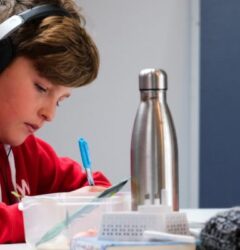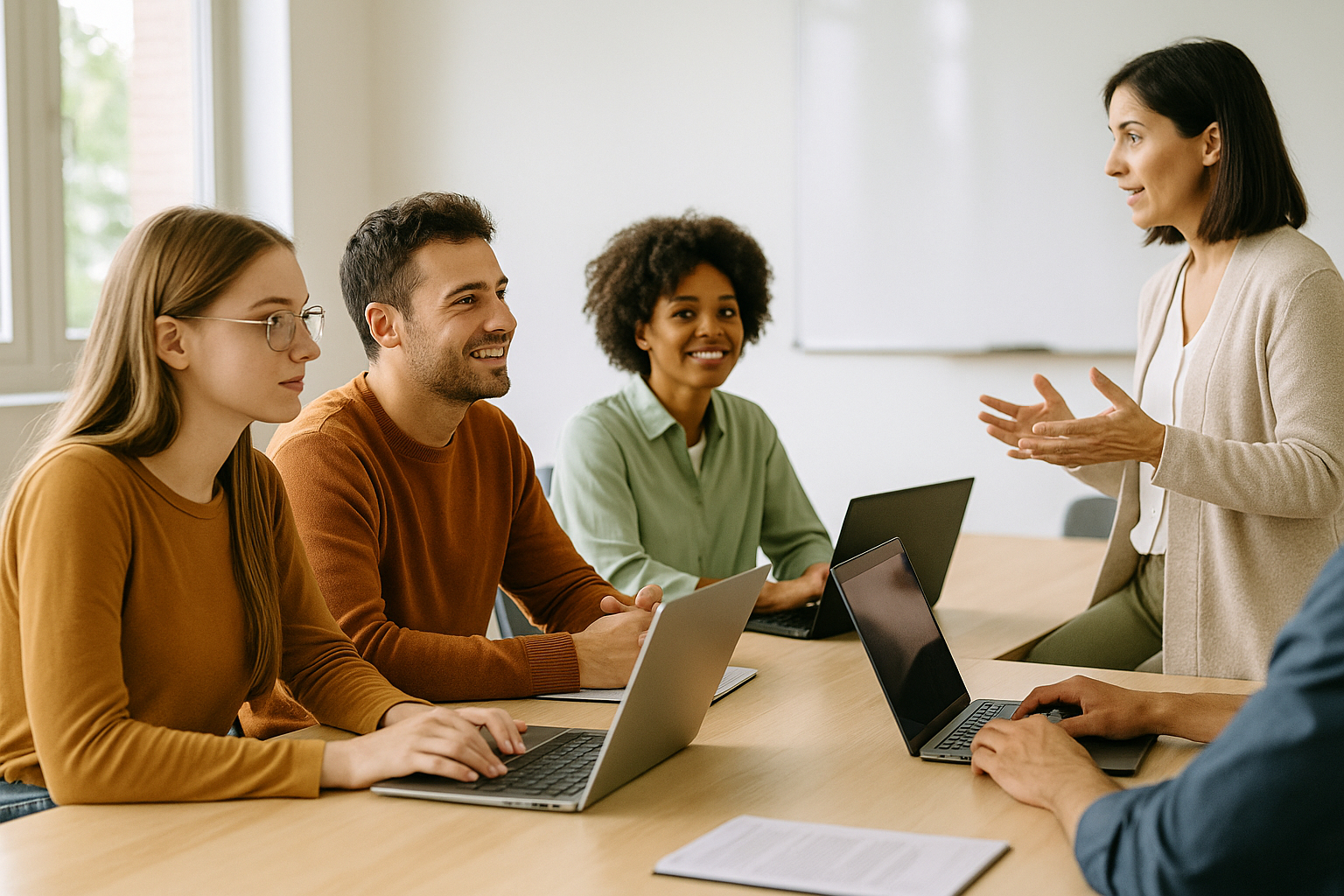
Education is evolving rapidly, and the traditional classroom model is no longer the only path to effective learning. Blended learning, which combines in-person instruction with digital learning tools, is transforming how students learn and teachers teach. This model offers flexibility, personalization, and engagement—allowing education to adapt to diverse needs and learning styles in ways that were once unimaginable.
What Is Blended Learning?
Blended learning integrates face-to-face classroom experiences with online or digital instruction. Students might attend traditional classes part of the week and complete assignments or participate in virtual discussions the rest of the time. This approach blends the structure and support of in-person teaching with the convenience and independence of online learning. It’s not just about using technology—it’s about reimagining how knowledge is delivered and absorbed.
Flexibility That Empowers Learners
One of the biggest advantages of blended learning is flexibility. Students can learn at their own pace, revisit challenging topics, and access materials anytime, anywhere. This autonomy helps build self-discipline and ownership of learning. For working professionals, blended models allow them to balance studies with jobs or family responsibilities—making education more inclusive and accessible to people from all walks of life.
Enhancing Engagement Through Technology
Digital tools such as interactive simulations, video lectures, and collaborative platforms enhance engagement and understanding. Teachers can use data analytics to track student progress and adjust instruction accordingly. This data-driven approach ensures personalized feedback and targeted support, improving overall outcomes. The combination of traditional and digital methods creates a richer, more dynamic learning experience that keeps students motivated.
The Teacher’s Evolving Role
In a blended learning environment, teachers shift from being the sole source of information to facilitators and mentors. They guide students through self-paced digital content while focusing classroom time on discussion, problem-solving, and hands-on activities. This approach encourages collaboration and critical thinking, preparing students for the teamwork and adaptability required in modern careers.
Conclusion
Blended learning represents the best of both worlds—combining the human connection of the classroom with the innovation of digital education. By offering flexibility, personalization, and interactive learning experiences, it empowers students to take control of their education and thrive in a fast-changing world. As technology continues to advance, blended models will remain a cornerstone of accessible, future-ready education.