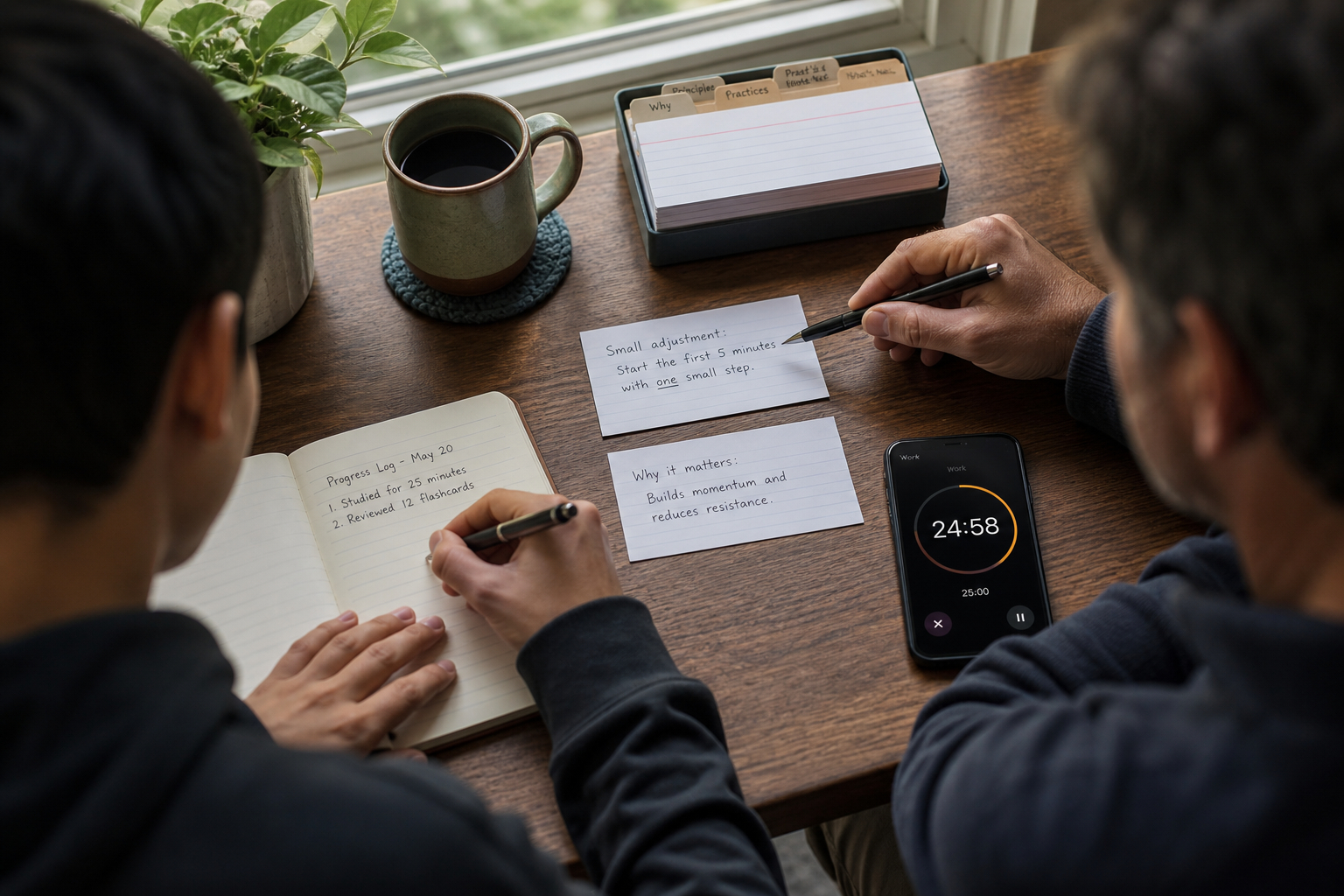
Creating a reliable personal learning system helps learners move from ad hoc study to steady progress. A compact system focuses attention on core goals, routines, and feedback loops that fit into daily life. When learners know how to collect evidence of progress and adjust tactics, motivation and retention improve. This article outlines practical steps teachers and learners can use to design a portable, repeatable learning workflow.
Why a Structured Personal Learning System Works
A structured system reduces decision fatigue by narrowing choices to high-impact actions. It separates planning, practice, and review so each session has a clear purpose and measurable outcome. By emphasizing small, frequent cycles of effort and reflection, the system leverages spaced practice and deliberate repetition. Over time these cycles accumulate into durable skills rather than transient knowledge.
Keeping the system compact ensures it is sustainable across varying schedules and contexts. Simplicity increases adoption: learners are more likely to persist with two to four reliable habits than with a complex checklist of many tasks. A portable system also supports transfer, letting learners adapt the same process to new subjects and projects.
Practical Steps to Build a Portable Study System
Begin by defining a clear, short-term learning goal and the smallest evidence that shows progress. Next, choose one practice method and one reflection routine to run consistently for two weeks. Include a quick planning window, a focused practice block, and a brief review at the end so momentum and feedback are continuous. These components form a repeatable cycle that can scale.
- Plan: set one specific objective and a 20–45 minute focus block.
- Practice: use active methods like retrieval, worked examples, or problem-solving.
- Review: note two wins and one adjustment to guide the next session.
Documenting each cycle with a short log helps learners see patterns and make informed tweaks. Teachers can scaffold this by modeling the cycle and sharing examples of useful logs. Over time, learners will refine tactics that match their goals, subject demands, and time constraints.
Conclusion
Start small and make the system simple to maintain. Consistency and reflection create momentum for learning. Design portable routines so skills transfer across contexts.
Related Articles


Recent Posts

Designing Compact Choice Menus to Foster Student Decision-Making
Teaching Students to Sequence Tasks for Deeper Engagement
Practical Classroom Methods for Teaching Strategic Study Prioritization
Translate Everyday Work into Clear Professional Evidence
A Practical Process for Building Portable Career Proofs


