Small, repeatable classroom rituals help learners develop autonomous habits over time. When teachers intentionally design brief, predictable moves, students gain clarity and ownership. Mini-routines reduce cognitive load and create space for deeper practice and reflection. This article outlines practical steps to design, implement, and refine short daily routines.
Why Mini-Routines Matter
Mini-routines create consistent cues that orient students toward learning behaviors without extensive instruction. Over time these cues become shared expectations that reduce uncertainty and free cognitive resources. Students who experience predictable patterns can practice decision-making and self-regulation within safe parameters. The result is gradual growth in independent work and transferable executive habits.
Teachers can scaffold complexity, starting with teacher-led prompts and moving toward student ownership. Even small shifts in routine yield measurable changes in classroom independence.
Designing Repeatable Classroom Moves
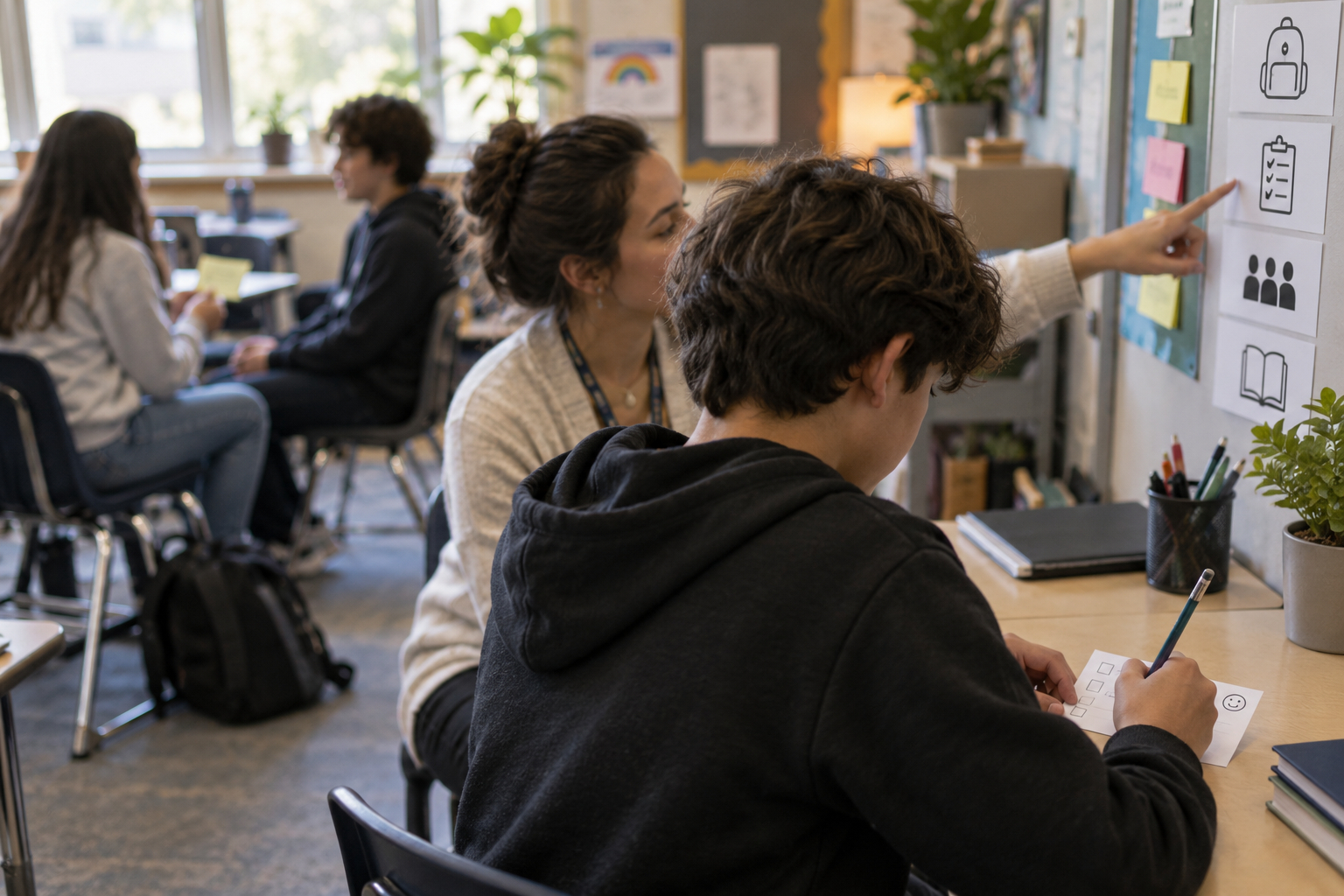
Design routines that are brief, observable, and easy to repeat across lessons. Choose actions that align with your learning goals—entry tasks, check-for-understanding signals, or brief reflection prompts. Keep language simple and provide visual or verbal cues so students recognize the pattern quickly. Build time for practice until the move becomes effortless for both teacher and students.
- Two-minute warm-up prompts
- End-of-task ‘what worked/what next’ quick write
- Peer-check checklist for one-minute feedback
Pilot one routine at a time and collect quick observational notes. Small, consistent adjustments help embed the move into daily practice.
Tracking and Adjusting the Routines
Use simple measures to track whether routines are adopted and effective. Brief checklists, student self-reports, or quick exit tokens provide actionable feedback without heavy grading. Review data weekly and solicit student input to understand obstacles and refine prompts. Adjust timing, wording, or supports based on observed uptake.
Make refinements intentional and paced; avoid changing multiple elements simultaneously. Over several cycles, routines will stabilize and contribute to sustained learner autonomy.
Student Involvement and Ownership
Invite students to co-design routines so they understand purpose and feel invested. Co-design can include naming the routine, choosing a signal, or deciding the reflection prompt format. When learners contribute, compliance shifts to commitment and peer norms support consistent practice. Document student suggestions and rotate leadership so ownership grows across the class.
Gather short artifacts of student work to celebrate progress and make routines visible. Regular recognition reinforces positive habits and signals that the routines matter.
Conclusion
Start small, keep moves predictable, and be patient. With steady practice, routines become the scaffolding for independent learning. A focused approach to mini-routines supports student agency and classroom consistency.