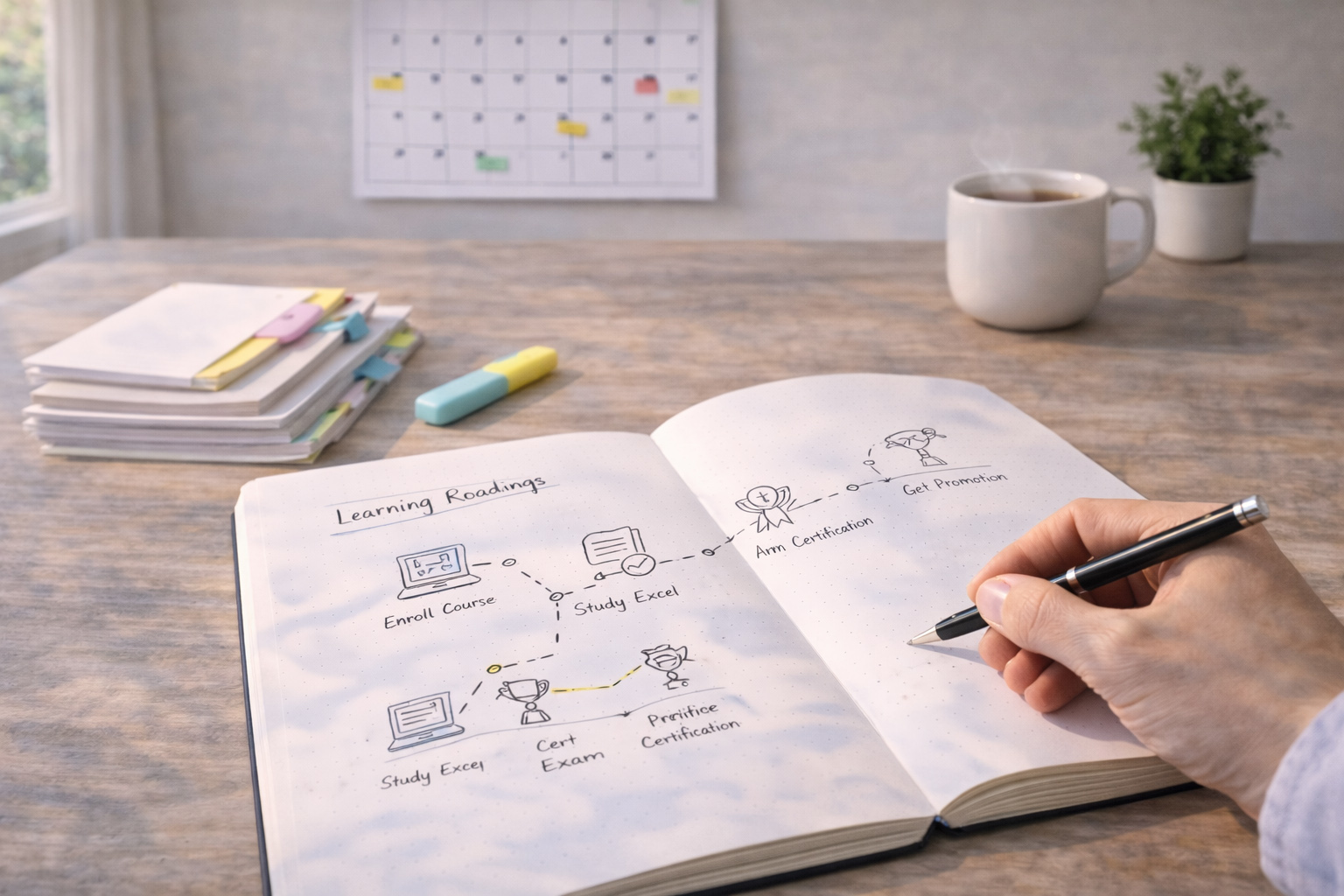
Learning with intention begins by aligning curiosity with realistic outcomes. A sustainable roadmap prevents burnout and keeps progress measurable. Small, regular steps compound into meaningful skill changes over months and years. This article outlines practical elements to shape a personal learning plan you can maintain long term.
Clarify Your Objectives
Start by defining what success looks like for each topic you take on. Distinguish between short-term competencies and long-term mastery so you can prioritize effort. Use specific, measurable outcomes to monitor progress rather than vague aspirations. Revisit and revise objectives as your interests and constraints evolve.
Clear objectives reduce wasted time and focus practice effectively. They also make it easier to celebrate milestones and adjust pacing.
Build a Flexible Routine
Design a routine that respects your natural energy cycles and existing commitments. Block recurring, small time windows for focused learning rather than relying on occasional marathons. Mix short daily sessions with longer weekly reviews to reinforce memory and context. Allow buffer days to prevent fatigue and keep momentum sustainable.
Flexibility helps accommodate life changes without abandoning goals. Consistency over time matters more than intensity in any single session.
Practice Strategically and Reflect
Choose practice techniques that force retrieval and application rather than passive review. Spaced repetition, problem-based tasks, and teaching others accelerate deeper understanding. Track errors and recurrent gaps to adapt subsequent sessions toward weak points. Regular reflection turns experience into actionable insights and prevents repeating ineffective habits.
- Spaced repetition for memorization
- Deliberate practice with feedback
- Project-based challenges to apply skills
Combine these methods based on your objective and time. Over time, varied practice fosters adaptability and long-term retention.
Leverage Tools and Communities
Select tools that reduce friction: note systems, flashcard apps, scheduling tools, and concise reference resources. Join study groups or professional communities to exchange feedback and stay accountable. Mentors and peer review accelerate progress by highlighting blind spots and suggesting efficient pathways. Balance tool use with focused effort so technology supports rather than distracts.
- Organized notes
- Review schedules
- Peer study sessions
Tools and communities extend your capacity and keep learning social. They often surface resources and shortcuts you would not find alone.
Measure Progress and Adjust
Establish regular checkpoints to evaluate what you are learning and how you are learning it. Use both qualitative feedback, like confidence and clarity, and quantitative markers, such as task completion or error rates. Experiment with small changes to study methods or scheduling and note what improves outcomes. Treat adjustments as data-driven experiments rather than judgments about ability.
Consistent measurement keeps the roadmap honest and actionable. Adjustments help maintain momentum and ensure you are progressing toward meaningful goals.
Conclusion
Building a sustainable learning roadmap requires clear goals, flexible routines, and deliberate practice. Use tools and community to amplify effort while keeping review and reflection central. Small, consistent actions compound into meaningful capability over time.