Teachers seeking to increase learner ownership often benefit from compact, repeatable systems that students can adopt without heavy overhead. Small learning loops focus attention, clarify next steps, and turn reflection into action within everyday lessons. When students practice short cycles of goal-setting, effort, feedback, and adjustment, they develop clearer metacognitive habits and more confidence in managing tasks. This article outlines how to design and implement concise routines that scale across classes and subjects.
These ideas prioritize consistency and transferability so students can use the same patterns in different contexts. Emphasizing simple prompts and predictable checkpoints reduces cognitive load for both teachers and learners. The goal is not to add more tasks, but to make existing tasks more productive and self-revealing. Below are practical sections on why small loops work, how to design them, and examples for classroom use.
Why compact learning loops are effective
Compact learning loops compress the core elements of self-regulated learning into manageable moments that fit into typical lesson flows. Instead of a single high-stakes reflection, students receive ongoing cues that guide planning, execution, and review. These brief cycles make progress visible and normalize iteration as a regular part of study. Over time, learners internalize the steps and apply them without prompts.
Because loops are short and repeated, they reduce anxiety associated with long projects and make improvement visible sooner. This fosters resilience and helps students judge which strategies work for them. Teachers can monitor many small checkpoints rather than rely on infrequent summative measures.
Designing repeatable student workflows
Start by identifying one tight objective per lesson and map three quick actions: set a micro-goal, attempt focused work, and reflect on one concrete adjustment. Keep prompts simple and language consistent so students recognize the pattern. Provide templates or quick rubrics that scaffold early practice, then fade supports as learners gain fluency. Make tools portable so students can use them across tasks and subjects.
- Micro-goal: What exactly will I complete in 10–15 minutes?
- Focused attempt: Work with a visible timer or checklist.
- One adjustment: What I will change next time based on this attempt.
These components should be visible in classroom routines and posted where students can reference them. Regular practice turns the workflow into a habit rather than an assignment requirement.
Classroom examples and practical tips
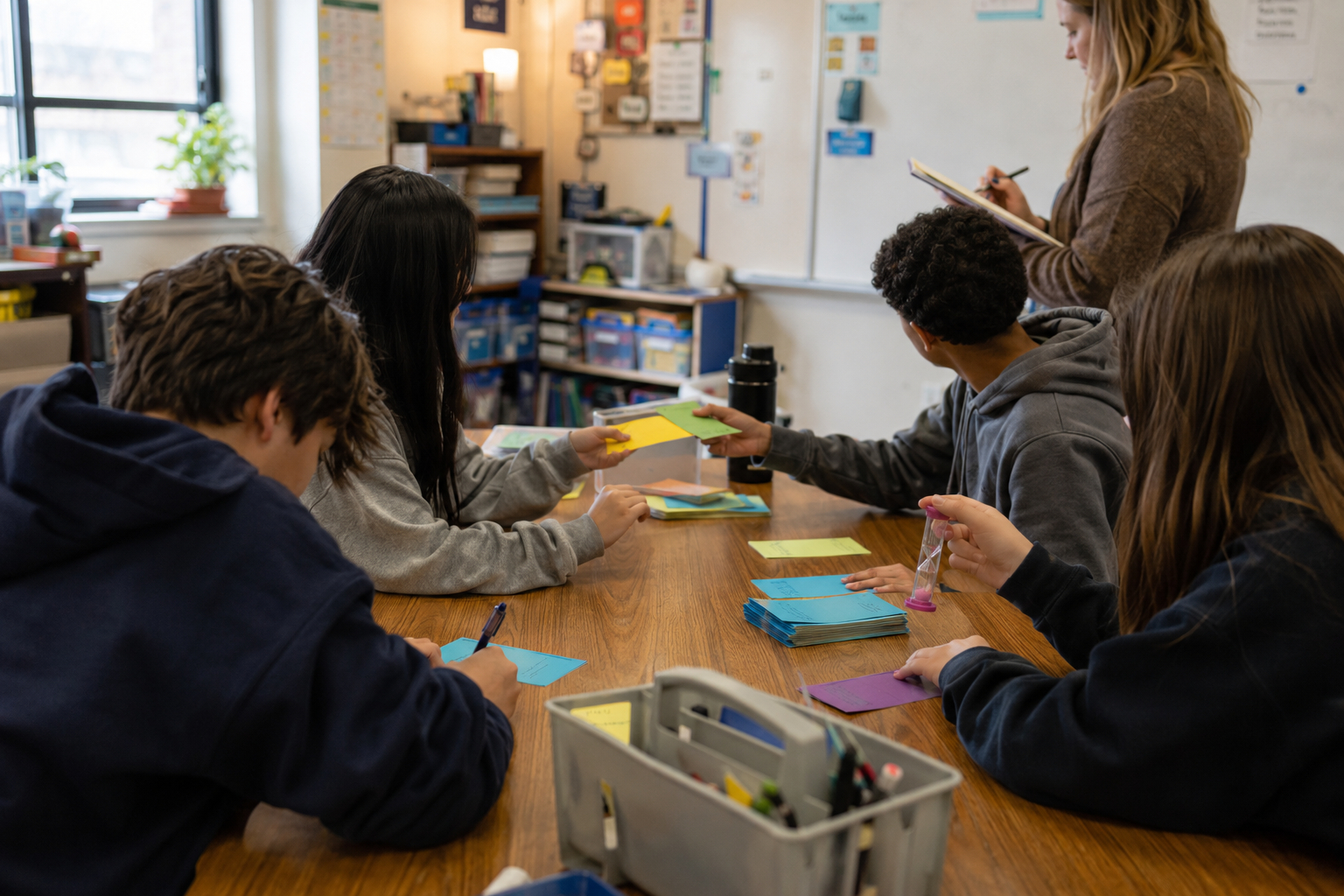
Implement loops through short cycles such as a 10-minute skill sprint followed by a two-minute reflection card. Use peer checkpoints where students exchange one observation and one suggestion to broaden perspectives. Integrate quick teacher micro-conferences to target high-impact feedback without derailing the flow. Rotate responsibility so students lead the checkpoints and track collective progress.
Start small and iterate: pilot one loop for two weeks, collect brief student feedback, and refine prompts. Over time, these routines build a classroom culture where agency and iteration are routine, not optional extras.
Conclusion
Compact learning loops make self-regulation teachable and repeatable within everyday lessons. By focusing on short cycles of goal, work, and adjustment, teachers help students develop durable habits of reflection and action. Small, consistent routines scale into meaningful learner autonomy across contexts.