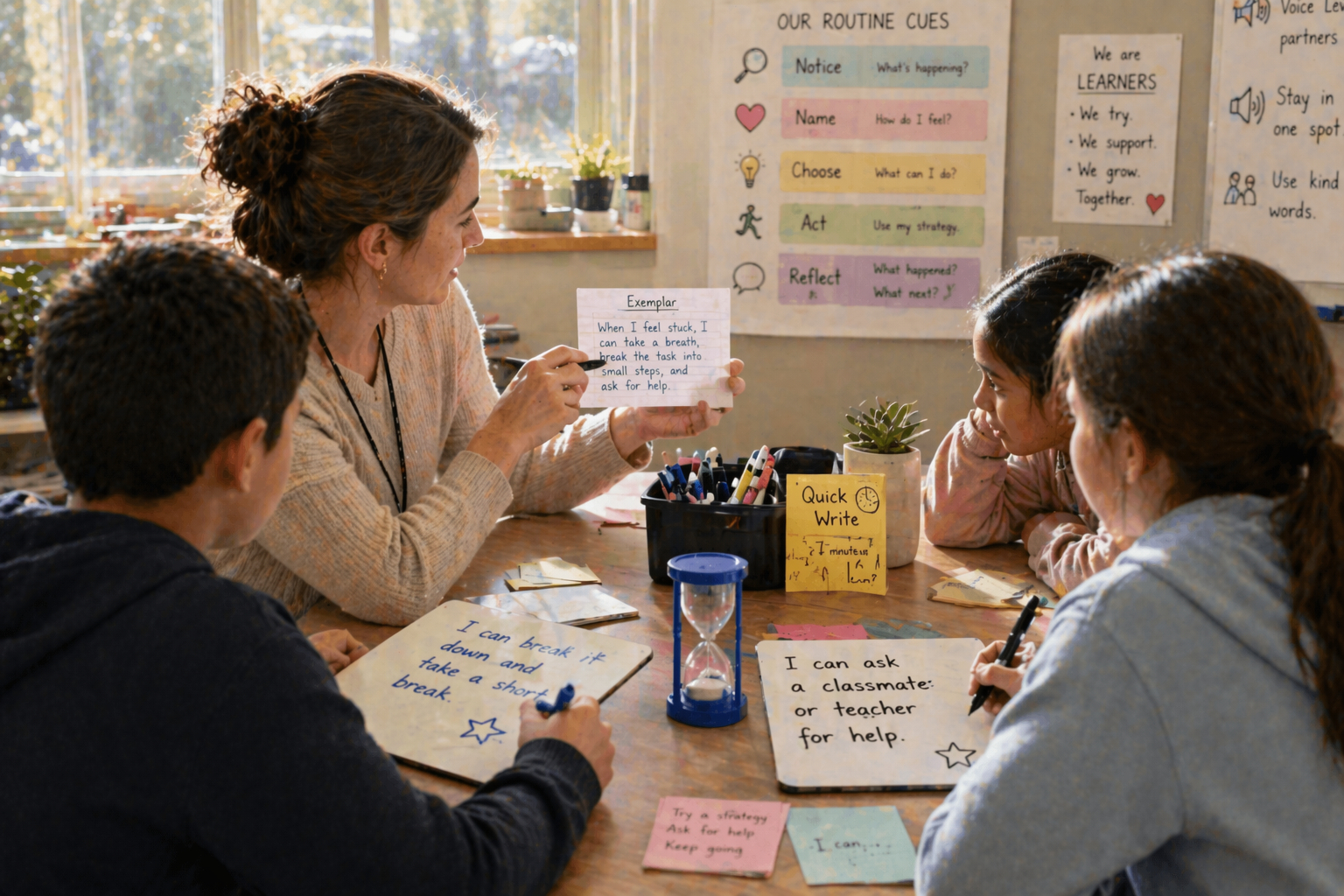
Warm-up routines are short, intentional activities at the start of a lesson that activate prior knowledge and set a cognitive tone. When they are focused and predictable, students spend less time transitioning and more time thinking about content. Well-designed warm-ups model the thinking you expect, surface misconceptions, and highlight language or strategies students will use. This article outlines practical routine models, alignment tips, and simple assessment moves for efficient classroom starts.
Designing Warm-Ups with Clear Cognitive Targets
Begin by identifying one clear cognitive target for each warm-up, such as retrieving a fact, applying a strategy, or generating a written prediction. Keep prompts concise and aligned to the lesson so the activity feels purposeful rather than filler. Time the routine deliberately—two to eight minutes is usually enough to prime thinking without cutting into the main instruction. Use consistent success criteria so students quickly understand what a strong response looks like.
Model an exemplar response during the first week and then fade support as students internalize expectations. Setting a visible timer and a predictable signal helps establish rhythm and reduces downtime.
Routine Formats That Scale Across Lessons
Choose a small set of repeatable formats that map to different targets, and rotate them to maintain variety while keeping the structure familiar. Formats can include quick retrieval prompts, short problem variations, targeted sentence frames, or brief error analysis tasks. Reusing a limited menu of formats reduces planning load and helps students transfer skills across topics. Ensure materials are minimal so every student can begin immediately and transitions remain smooth.
- Two-minute retrieval question to recall prior learning
- Error check: identify and correct a common mistake
- Prediction prompt that connects to today’s task
Introduce each format explicitly, then circulate and provide targeted feedback during the routine. Over time, invite students to generate prompts so ownership grows.
Assessment and Iteration of Warm-Up Practices
Use warm-ups as low-stakes assessment opportunities to gather quick evidence about student readiness and misconceptions. Collect a sample of student responses, glance for patterns, and use that information to adjust pacing or group tasks. Solicit brief student feedback every few weeks about which routines help them think and why. Small adjustments—wording changes, different prompts, or altered time limits—can improve relevance and impact.
Track which routines lead to better engagement or smoother lesson starts, and iterate intentionally. Making warm-ups a brief, assessed habit ensures they remain a purposeful part of instruction rather than routine busywork.
Conclusion
Focused warm-up routines prime students’ thinking and reduce transition time by building predictable cognitive starts. Selecting clear targets and a small set of scalable formats makes implementation sustainable for teachers. Regularly assess outcomes and iterate so warm-ups continue to support learning goals.