Helping learners develop simple self-check habits shifts responsibility for progress from teacher to student while keeping instruction focused. Small, repeatable checks help students notice errors early, adjust strategies, and preserve motivation during challenging tasks. When routines are consistent and transparent, learners gain confidence and can better manage time and effort. This article outlines why brief self-checks matter and how to introduce, monitor, and scale them across lessons.
Why Small Self-Checks Matter
Brief self-checks serve as cognitive nudges that encourage reflection without interrupting flow. They reduce the cognitive load of choosing what to reflect on by offering a short, structured prompt students can apply automatically. Over time these prompts become internalized, helping learners detect misunderstandings before they compound. In classrooms where self-checks are practiced regularly, teachers can reallocate feedback to higher-level tasks.
Consistent use builds metacognitive awareness, a key predictor of independent learning. Start with simple, observable behaviors so students experience early wins and understand the value of the routine.
Practical Routines to Implement
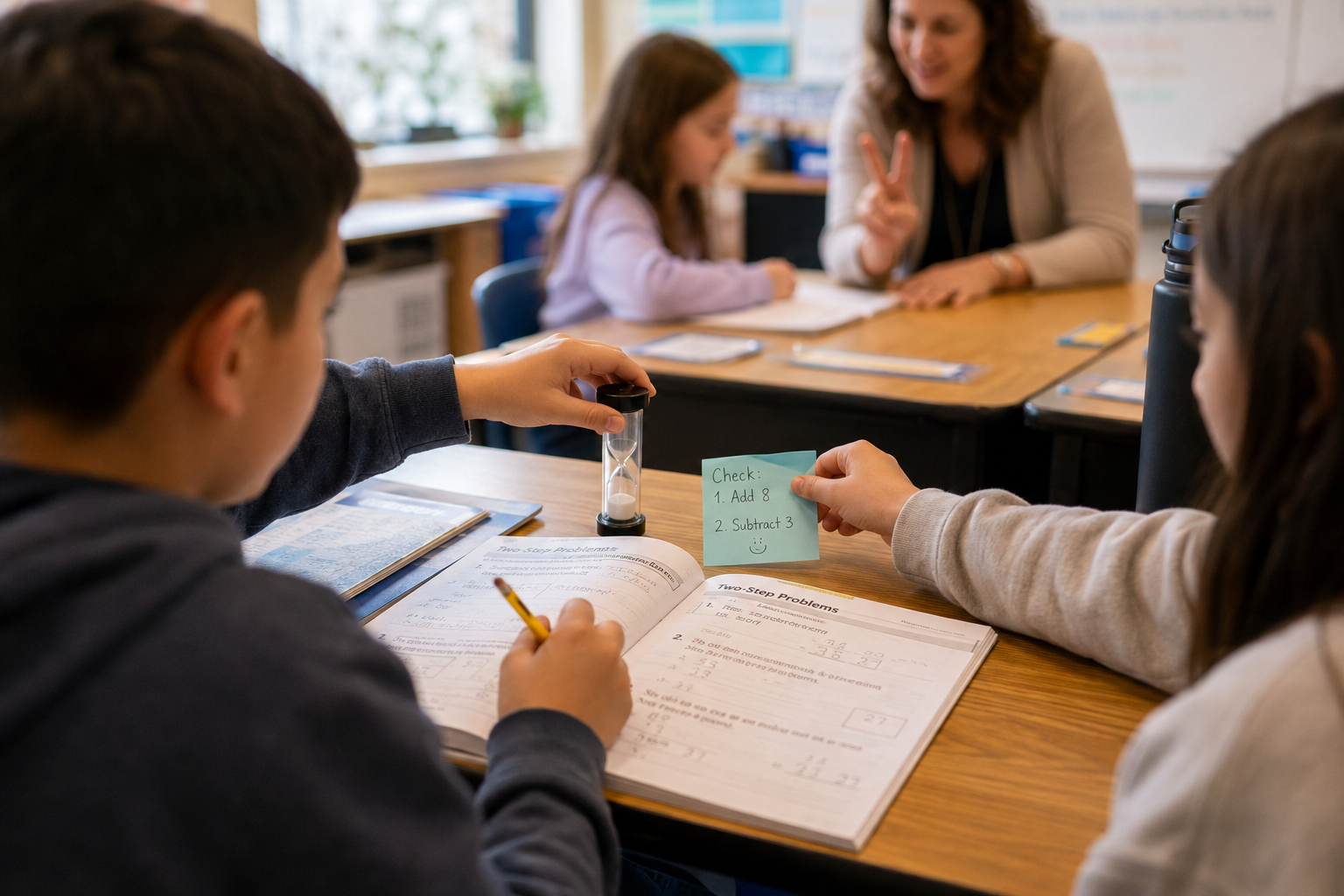
Choose routines that are quick, explicit, and easy to remember so they can be applied during many activities. Examples include a two-question pause — “What am I trying to do? What indicates I’m on the right track?” — or a one-minute checklist before submitting work. Teach these routines through modeling and brief practice until they become habitual. Integrate them into daily transitions so the checks feel like part of the workflow rather than an extra task.
- Two-question pause: goal and evidence.
- One-minute edit: clarity, accuracy, and completeness.
- Peer quick-check: exchange one-sentence feedback.
These options are adaptable across subjects and grade levels and can be combined gradually. Offer choices so students can adopt the routine that aligns with their workflow.
Monitoring and Scaling Habits
Track adoption with lightweight data points rather than heavy assessments; examples include tally sheets, short exit tickets, or occasional student reflections. Use that information to tweak phrasing, timing, or complexity of the check so it remains useful rather than performative. Celebrate consistent use and spotlight practical wins to reinforce the routine’s utility. When students show readiness, invite them to co-design new checks that better fit their tasks.
Scaling requires patience and small iterations, not wholesale changes. Keep cycles short and celebrate incremental gains to sustain momentum.
Conclusion
Simple, repeatable self-checks create habits that help students steer their own learning and catch mistakes early. By modeling routines, offering brief practice, and monitoring adoption with light measures, teachers can foster durable learner independence. Start small, iterate, and let students shape the habits as they grow in confidence.