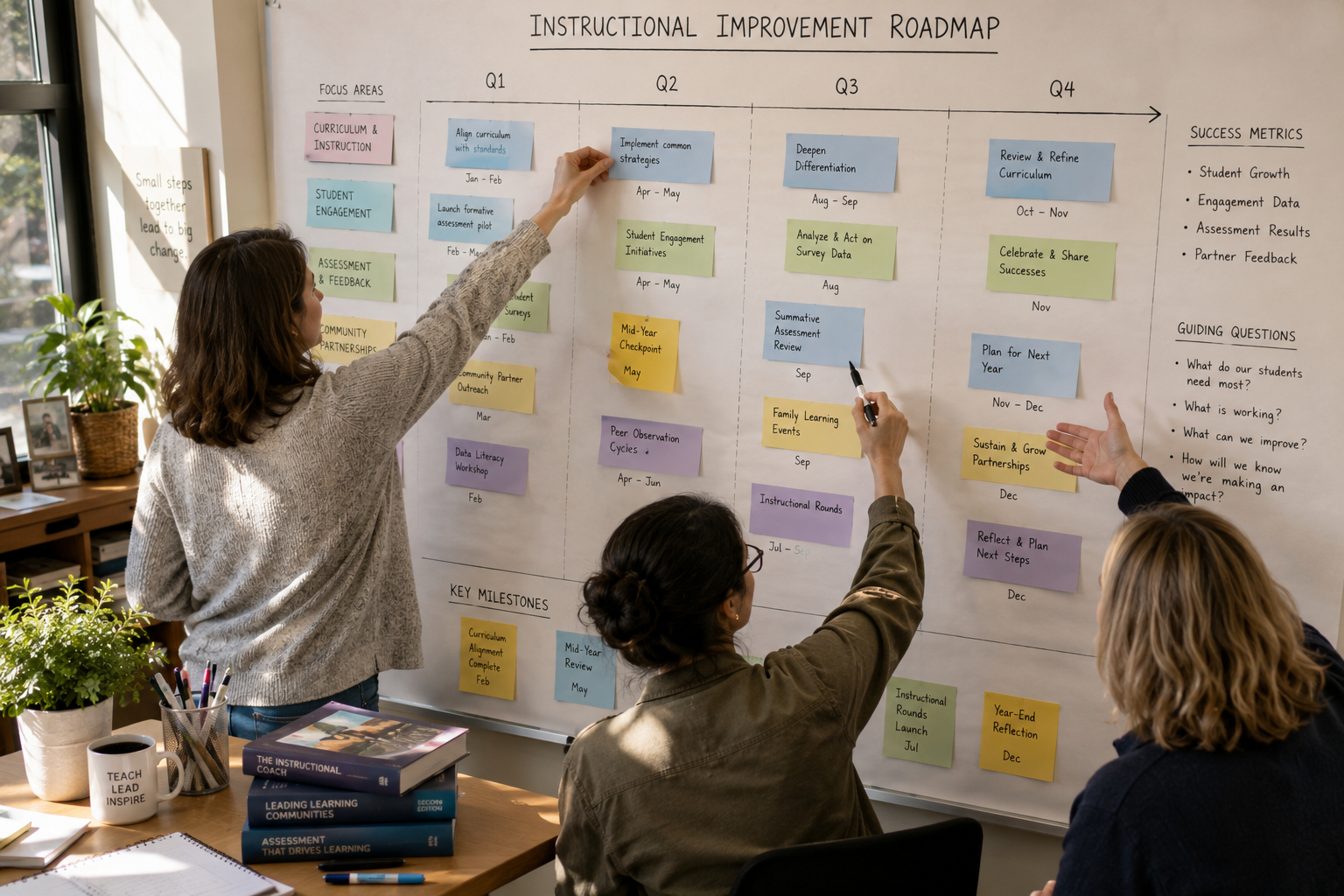
Collaborative learning pathways help teachers develop skills through shared practice and reflection. They combine structured goals, peer interaction, and relevant resources to make professional growth practical. When thoughtfully designed, pathways increase retention of learning and support classroom transfer. This article outlines principles and steps to build sustainable collaborative pathways that fit busy schedules.
Principles for Effective Pathways
Start with learner-centered goals that tie to classroom outcomes and student learning needs. Prioritize regular, short cycles of practice and feedback rather than occasional intensive workshops. Encourage diverse collaboration formats: peer observation, coaching, small study groups, and online forums. Build explicit alignment between objectives, activities, and measures of progress to maintain focus. Involving participants in setting goals strengthens ownership.
Clear principles keep pathways coherent and actionable. They also make it easier to evaluate impact over time. Feedback loops help refine the approach.
Designing Practical Steps
Translate principles into a tangible roadmap with sequenced steps and milestones. Start by mapping practitioner needs, available time, and existing supports to realistic activities. Define short-term tasks and a lightweight schedule that teachers can follow during the school year. Include checkpoints for reflection and adaptation to keep the pathway responsive. Pilot the roadmap with a small group before wider rollout.
- Identify one instructional focus and measurable indicators.
- Schedule brief peer observations and feedback sessions.
- Create shared resources and templates to reduce prep time.
Simple, repeatable steps reduce friction and increase uptake. A clear roadmap helps participants see progress and stay engaged.
Supporting Ongoing Growth
Ongoing support sustains momentum after initial training phases end. Provide light facilitation, access to curated resources, and opportunities for recognition. Use data from classroom practice and participant reflections to inform next cycles. Flexible options for deeper study help educators extend learning without overload. Mentors and leadership endorsement reinforce the value of the pathway.
Support structures turn short-term gains into long-term habits. They also foster a culture of continuous improvement across teams. Regular check-ins signal institutional commitment.
Measuring Impact and Scaling
Set simple indicators to track progress, such as frequency of peer feedback and changes in instructional practice. Collect both qualitative reflections and basic quantitative measures to capture nuance. Use short surveys, observation rubrics, and examples of student work when possible. Analyze results in collaborative review sessions to identify what to preserve and what to adjust.
Transparent measurement builds accountability and helps justify investment. Scaled pathways require evidence of classroom impact to gain broader support.
Conclusion
Well-designed collaborative pathways balance clarity with flexibility. They rely on practical steps, shared practice, and ongoing supports to produce classroom change. By keeping pathways manageable and evidence-informed, schools can sustain meaningful professional learning.