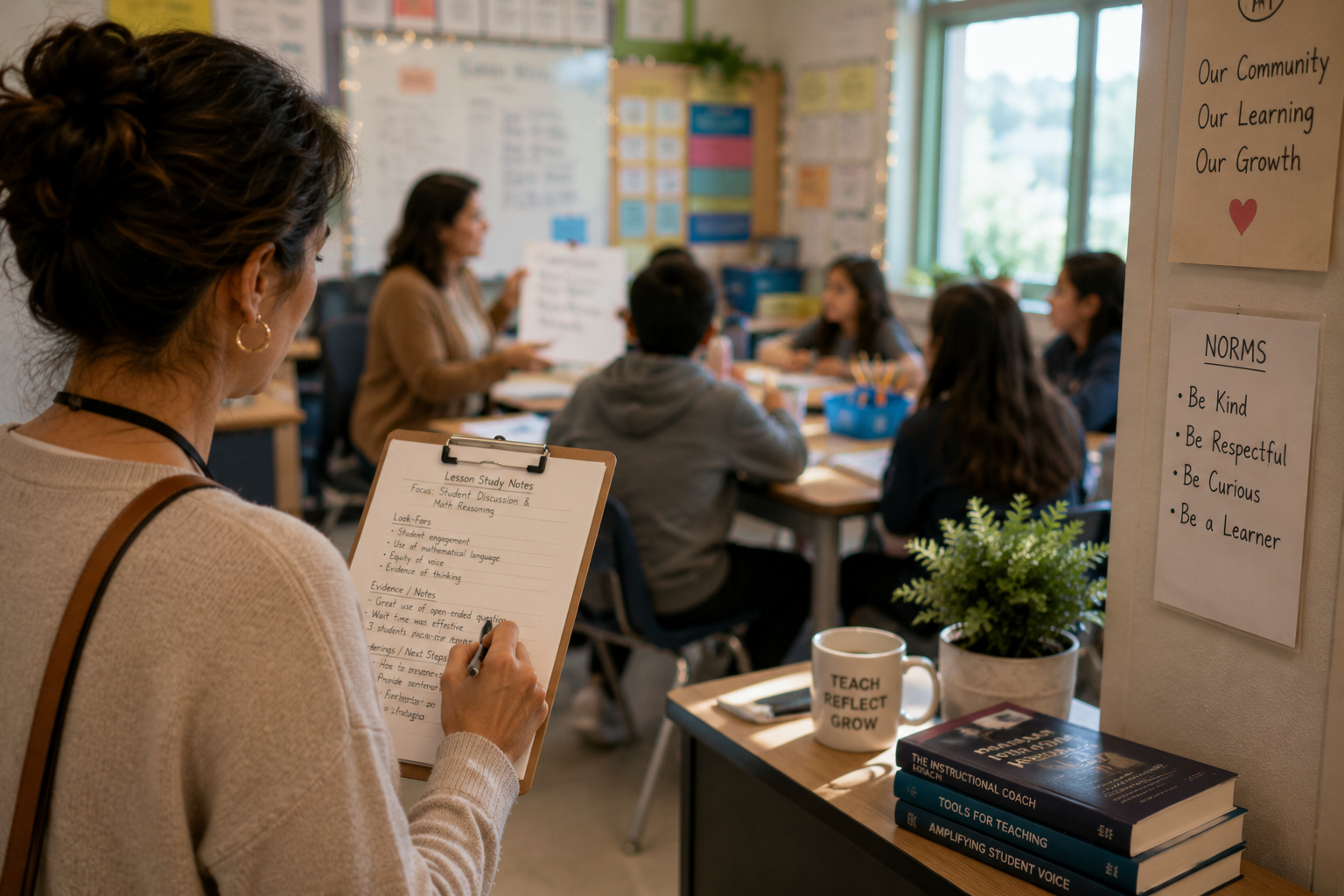
Teaching evolves rapidly and educators need structured ways to keep skills current. A sustainable professional growth approach balances personal goals, collaborative practices, and practical application. This article outlines core principles, practical designs, and ways to measure impact so schools can support ongoing learning. The aim is to offer clear strategies that are adaptable for diverse learning contexts.
Principles of Effective Ongoing Learning
Effective professional growth begins with a clear rationale tied to student outcomes and teacher agency. Prioritizing relevance, regular reflection, and opportunities for immediate classroom application increases uptake. Equally important are supportive leadership, allocated time, and access to resources that reduce barriers.
When these principles guide planning, programs move from sporadic workshops to coherent learning paths. That consistency builds trust and creates momentum for deeper practice change. Leaders can monitor participation trends.
Designing Practical Learning Opportunities
Focus on hybrid models that mix brief microlearning, peer-coaching cycles, and collaborative inquiry projects. Incorporating classroom-embedded tasks such as lesson study, co-teaching, and observation feedback ensures transfer to practice. Technology can streamline scheduling, curate resources, and enable asynchronous sharing without replacing human interaction.
- Microlearning bursts and short modules
- Peer coaching cycles with observation
- Collaborative inquiry projects tied to goals
Design choices should reduce cognitive load and respect teacher time. Practical formats encourage sustained participation and measurable improvement.
Measuring Impact and Sustaining Momentum
Measuring impact uses a mix of indicators: student learning data, classroom evidence, teacher reflections, and engagement metrics. Short cycles of data collection tied to learning goals help teams iterate and adapt quickly. Celebrating incremental successes and creating regular checkpoints keeps momentum across a school year.
Leaders should build simple feedback loops that inform next steps rather than punitive reviews. Over time, these practices normalize continuous improvement as part of professional life.
Supporting Structures and Leadership
Strong leadership aligns goals, budgets, and schedules so educators have predictable time and incentives to engage in learning. Distributed leadership that involves teacher-leaders and professional learning communities distributes ownership and embeds expertise locally. Clear policies for mentoring, induction, and recognition help novice and experienced staff progress together while reducing isolation. Investing in facilitator training and accessible resource libraries multiplies impact and ensures consistency across classrooms.
Practical governance structures clarify responsibilities and sustain initiatives beyond single funding cycles. When leaders remove barriers and model continuous learning, participation becomes a cultural expectation rather than a task.
Conclusion
Sustainable professional growth is practical, evidence-informed, and centered on classroom impact. Small, consistent steps supported by collaborative structures yield lasting improvements. Schools that embed these approaches make learning a shared responsibility and a daily habit.