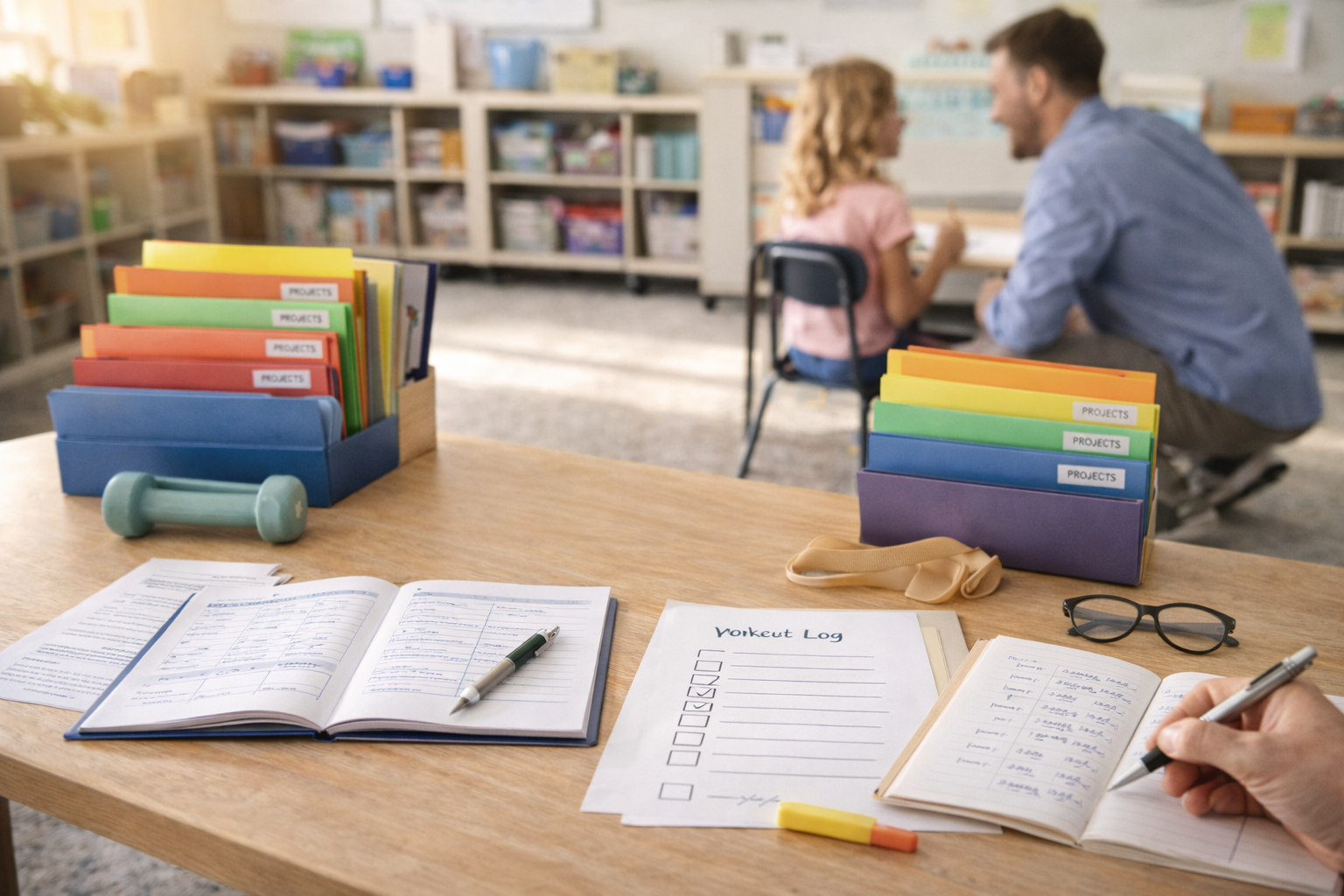
Fostering autonomy in learners prepares them to manage challenges, set goals, and adapt strategies independently.
When teachers intentionally design experiences that build choice, reflection, and responsibility, students can grow confident and motivated.
This introduction outlines practical classroom practices that support autonomy while remaining manageable for daily instruction.
These approaches emphasize structure, skill development, and ongoing feedback to help learners become self-directed.
Why autonomy matters in learning
Student autonomy contributes to deeper engagement and sustained motivation by giving learners ownership over their work and progress. It encourages metacognitive habits, so students plan, monitor, and evaluate their learning rather than waiting for external direction. Autonomy supports differentiation because learners can pursue tasks at varied paces and complexity while teachers facilitate growth. Empowering students in this way prepares them for lifelong learning beyond the classroom.
Balancing autonomy with clear expectations reduces anxiety and keeps focus on meaningful outcomes. When students understand parameters, choice becomes productive rather than overwhelming.
Practical classroom practices
Start with structured choices that scaffold decision-making, such as tiered assignments or selectable project topics tied to learning targets. Use brief planning protocols that guide learners to set goals, estimate time, and identify resources before they begin. Teach and model specific strategies for note-taking, problem solving, and checking work so students have tools for independent progress. Regularly build short reflection opportunities so learners can assess what worked and adjust next steps.
Clear rubrics and exemplars help students align choices with quality standards. Small, consistent practices amplify independence without sacrificing instructional clarity.
Tools and routines that support independence
Simple routines—like learning stations, mini-conferences, and checklist workflows—create predictable structures where autonomy thrives. Technology can support planning and organization through shared calendars, task trackers, and portfolios, but routines ensure equitable access and consistent use. Peer coaching and cooperative norms let students learn from each other while practicing responsibility and communication skills. Embedding brief teacher check-ins preserves momentum and provides timely formative guidance.
Consistent routines reduce cognitive load so students use effort on learning rather than on figuring out procedures. Over time, routines become habits that sustain self-directed work.
Evaluating progress and adjusting supports
Use formative assessment to monitor how students apply strategies and where they need targeted scaffolds; low-stakes checks reveal patterns without high pressure. Collect artifacts such as reflections, drafts, and goal logs to track growth in independence as well as content mastery. Conferencing with students about their strategies can pinpoint misconceptions and celebrate emerging autonomy. Adjust supports by gradually releasing responsibility, offering prompts, or redesigning tasks when needed.
Regular review cycles help teachers decide when to intervene and when to step back. This responsive approach ensures autonomy develops alongside competence.
Conclusion
Intentional routines, clear choices, and regular reflection create conditions for student autonomy.
Teachers who combine structure with opportunities for ownership cultivate resilient, self-directed learners.
Small, sustainable practices lead to meaningful long-term growth in independence.