Building student independence is a gradual process that benefits from predictable classroom patterns. Teachers can create environments where learners practice decision-making, reflection, and self-monitoring in small, routine ways. Consistent prompts and micro-tasks help students internalize strategies that later become autonomous habits. This article outlines pragmatic moves teachers can use daily to cultivate more independent learners.
Design predictable routines that reduce cognitive load
Begin by establishing simple entry and exit routines that clarify expectations and free cognitive resources for learning. When students know what to do at the start of class, they spend less time negotiating logistics and more time practicing skills. Routines should be taught explicitly, practiced, and revisited in short cycles to ensure fidelity. Over time these rituals create space for higher-order work and student choice.
Pair routines with visible cues and brief checklists so learners can self-assess without constant teacher prompting. This scaffolding supports gradual release and builds confidence for independent work.
Teach decision frameworks for authentic choices
Introduce simple decision frameworks that guide students through choices about tasks, resources, or next steps. Models such as three-option menus or prioritization matrices help learners weigh trade-offs and act deliberately. Teach these frameworks with worked examples, think-alouds, and opportunities to practice in low-stakes settings. Clear criteria reduce anxiety and make independent choices more successful.
Encourage students to verbalize their decisions briefly; this practice makes internal thinking visible and easier to refine. Over repeated use, frameworks become internal heuristics students apply independently.
Embed micro-reflection and targeted feedback cycles
Short, structured reflections at the end of lessons prompt students to evaluate what worked and what to try next. Use focused prompts that ask for one strength and one improvement, or a single next-step goal for the following session. Provide targeted feedback that connects directly to those reflections so students can translate insight into action. Regular cycles deepen metacognitive awareness without taking excessive class time.
Make reflection habitual by scheduling it at the same moment each lesson and by modeling concise, useful reflections yourself. This consistency helps students link reflection to planning and performance.
Scaffold independence with graduated tasks and peer support
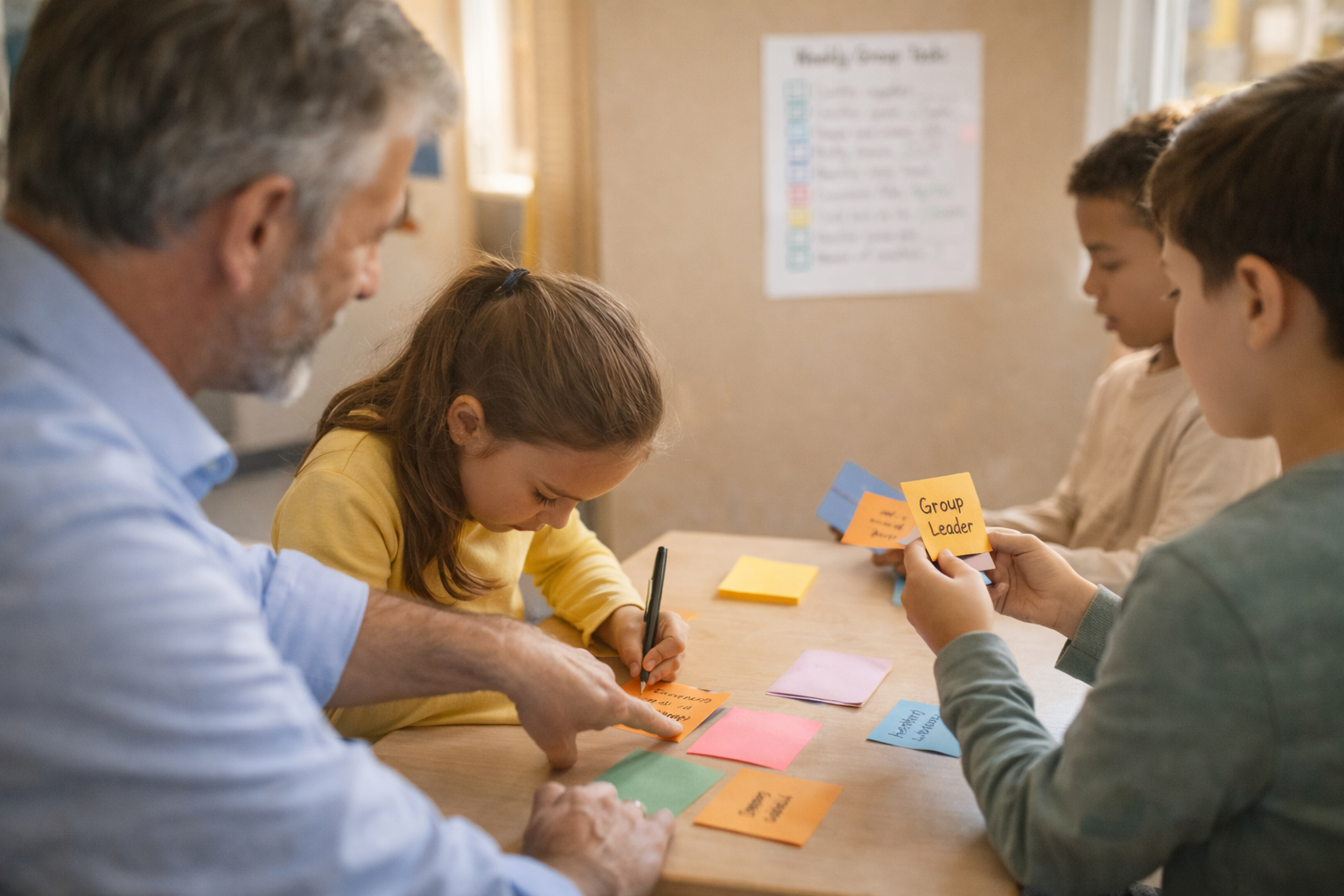
Design learning tasks that move from guided practice to collaborative work and finally to individual performance. Use pair or trio structures to let students rehearse strategies with peers before working alone. Offer rubrics or checklists at the collaborative stage so learners can calibrate expectations and provide effective peer feedback. Gradual release preserves challenge while protecting students from being overwhelmed.
Rotate roles within groups to develop diverse skills and ownership. Over time, graduating task demands builds habit strength and transferable independence.
Conclusion
Small, consistent instructional moves compound into meaningful student independence over time. Focus on routine, choice frameworks, reflection cycles, and scaffolded tasks. When these practices are taught and repeated, learners become more confident and self-directed.