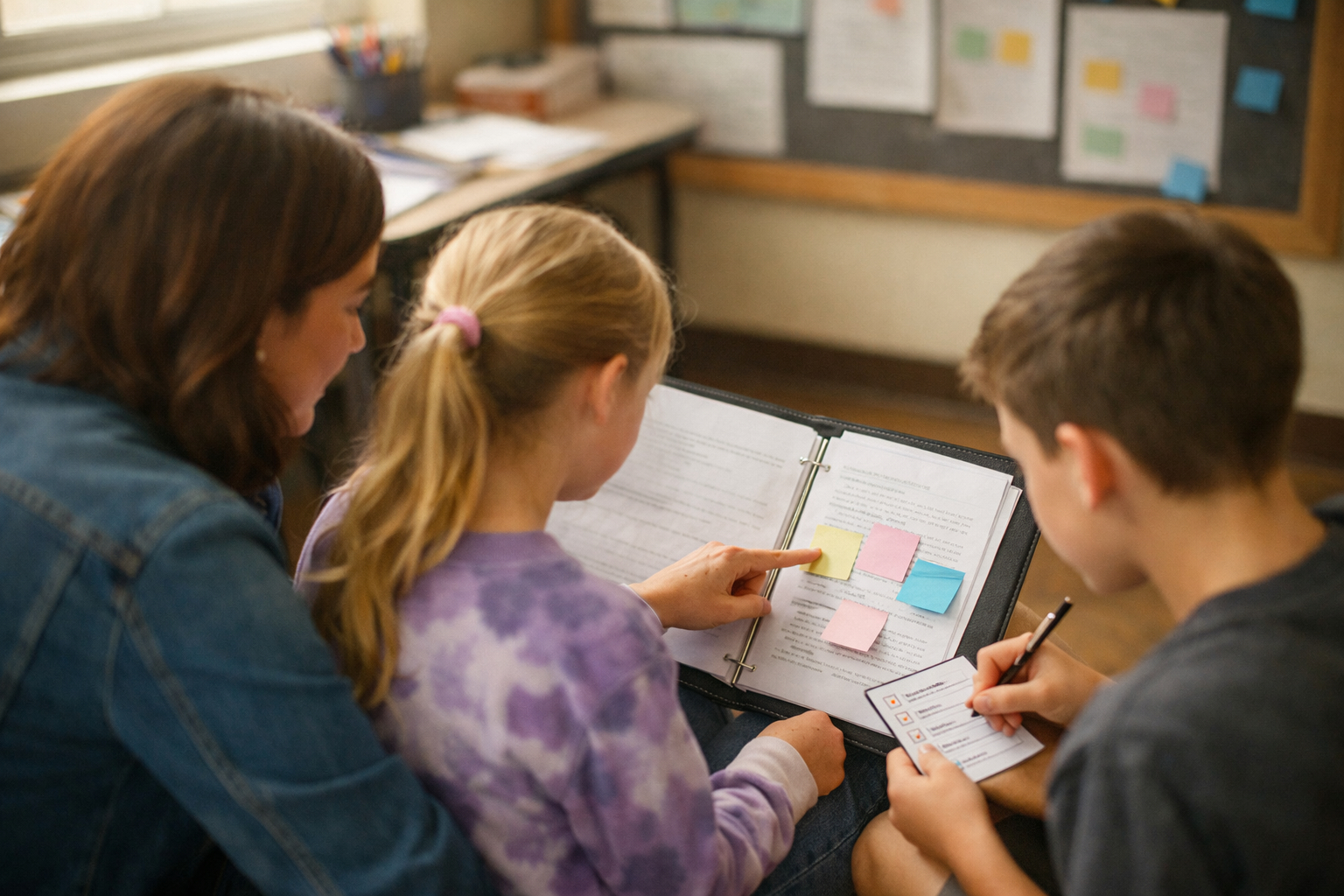
Building student independence is most effective when it is approached as a series of small, intentional steps rather than a single large shift. Teachers can design routines, tasks, and feedback cycles that progressively hand responsibility to learners while keeping support visible and structured. By focusing on predictable patterns, clear expectations, and frequent reflection, classrooms become laboratories for autonomy where students learn how to plan, monitor, and evaluate their own work. This article outlines practical practices teachers can apply immediately to cultivate sustainable self-directed learning.
Set Clear, Manageable Routines
Consistent routines reduce decision fatigue and free cognitive space for students to practice independence. Start each lesson with a brief agenda, modeled expectations, and a transparent success criterion so students understand what autonomy looks like in that activity. Routines such as exit tickets, brief self-checklists, or timed work windows give learners repeated, low-stakes opportunities to manage tasks on their own. Over time, these predictable structures become scaffolds that can be gradually removed as students demonstrate readiness.
When routines are explicit and taught directly, students can internalize them and apply the same approach across different subjects. Begin with teacher-led modeling, then shift to guided practice, and finally to independent application. This gradual release protects learners while building capacity.
Break Tasks into Micro-Skills
Large assignments can overwhelm students and mask the specific skills they need to perform independently. Decompose tasks into micro-skills such as planning a step, selecting a source, drafting a paragraph, or revising based on a rubric so learners can practice and master each component. Use short, focused activities that target one micro-skill at a time and provide immediate, specific feedback tied to that skill. This approach makes progress visible and motivates sustained effort because students see tangible improvement.
Skill chunking also supports differentiated pacing, allowing stronger students to move ahead while others receive targeted support. Regular checkpoints ensure students are ready before the next level of independence is introduced.
Use Student Portfolios and Evidence of Progress
Portfolios make growth visible and encourage reflection, giving students ownership of their learning narrative. Collect samples that show iteration, include brief student reflections on choices and challenges, and align artifacts with learning goals so evidence is meaningful. Portfolios can be digital or physical and organized around micro-skills, projects, and self-assessments to show incremental development over time. Sharing portfolios in conferences or peer reviews deepens metacognitive awareness and builds confidence.
- Drafts showing revision steps
- Self-assessments with goals
- Rubric-aligned samples
When students curate their own evidence, they learn to judge quality, set next steps, and articulate their growth. Teachers can use portfolios to plan targeted instruction and to celebrate student agency.
Conclusion
Developing independence is a stepwise process that depends on clear routines, targeted micro-skills, and visible evidence of progress. By designing classroom systems that gradually transfer responsibility, teachers help learners become confident, self-directed thinkers. Small, consistent practices compound into lasting autonomy over time.
Related Articles

Recent Posts

Designing Compact Choice Menus to Foster Student Decision-Making
Teaching Students to Sequence Tasks for Deeper Engagement
Practical Classroom Methods for Teaching Strategic Study Prioritization
Translate Everyday Work into Clear Professional Evidence
A Practical Process for Building Portable Career Proofs


