Independent learning is a core skill that supports academic success and long-term growth.
Teachers can design classroom routines and supports that gradually shift responsibility to students.
This article outlines practical approaches to help learners plan, monitor, and reflect on their work.
The goal is realistic, sustainable strategies that educators can implement without overhauling their curricula.
Create Clear Structures and Expectations
Start by making routines visible: use checklists, weekly planners, and simple success criteria so students know what autonomy looks like in practice.
Model how to break larger assignments into manageable steps and provide examples of effective task organization. Consistency reduces cognitive load and gives learners repeated practice in taking initiative.
Teach Planning, Monitoring, and Reflection Skills
Explicitly teach short planning sessions at the start of tasks, mid-task self-checks, and a brief reflective routine at the end. These discrete skills are essential for students who are learning to self-regulate and can be scaffolded gradually over time.
Use formative prompts that encourage students to set goals, monitor progress, and adjust strategies. Over weeks, reduce the prompts to encourage independent use of the routines.
Design Tasks That Support Choice and Skill Development
Offer structured choice within assignments so students practice decision-making while staying aligned with learning objectives. Design tasks with clear criteria and tiered complexity to meet diverse readiness levels without removing challenge.
- Provide optional extension activities for students ready to push deeper.
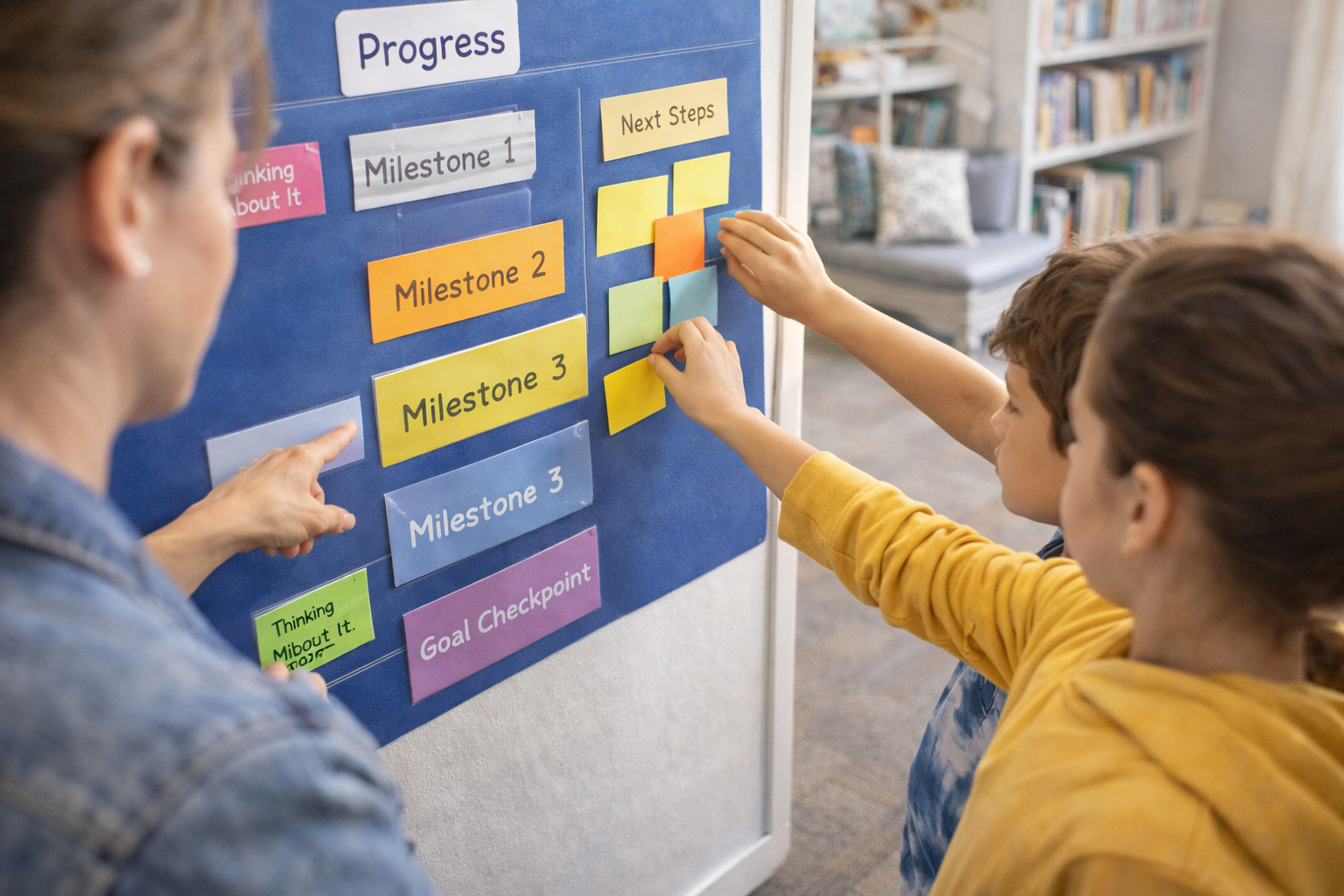
- Include check-in milestones so students can assess progress.
- Allow alternative demonstration formats to honor different strengths.
These design choices maintain accountability while cultivating ownership; students learn that autonomy and structure are complementary, not oppositional.
Feedback Loops and Teacher Role Shifts
Shift teacher feedback from evaluative-only to dialogic: ask questions that prompt student reflection and planning rather than only correcting errors. Short conferences or written prompts can help students articulate next steps and set targets.
Gradually reposition the teacher as coach and facilitator who intervenes with targeted guidance when students struggle. This approach builds confidence and reduces dependency over time.
Conclusion
Small, consistent routines and scaffolded choice build real student independence.
Practice planning and reflection as classroom habits to support lifelong learning.
Over time, these strategies create learners who can manage their own pathways with confidence.