Small, consistent habits in class create predictable conditions where students practice decision making and self-monitoring. When routines are explicit and repeated, learners spend less energy figuring out logistics and more on meaningful tasks. This piece outlines how teachers can design short, repeatable practices that scale across lessons. Use these ideas to make independence a classroom habit rather than a sporadic goal.
Why routines matter for autonomy
Routines reduce cognitive load and make choices easier for students, which supports sustained engagement and gradual transfer of responsibility. Clear steps let learners internalize processes for planning, checking work, and seeking feedback without constant prompts. Over time, these cues scaffold metacognition: students begin to notice what strategies work and adjust them. The result is more consistent self-directed behavior and improved learning outcomes.
Well-designed routines also create reliable data for reflection, helping both teachers and students identify progress. They become a shared language that speeds transitions and keeps expectations transparent.
Designing routines that scale across lessons
Start with one simple routine that addresses a common classroom friction: beginning work, submitting drafts, or reviewing errors. Make the routine explicit by teaching it in a short model lesson, practicing it, and naming each step. Keep it short — two to five clear actions — so students master it quickly and can apply it in different contexts. Revisit the routine weekly and adjust steps as students take on more responsibility.
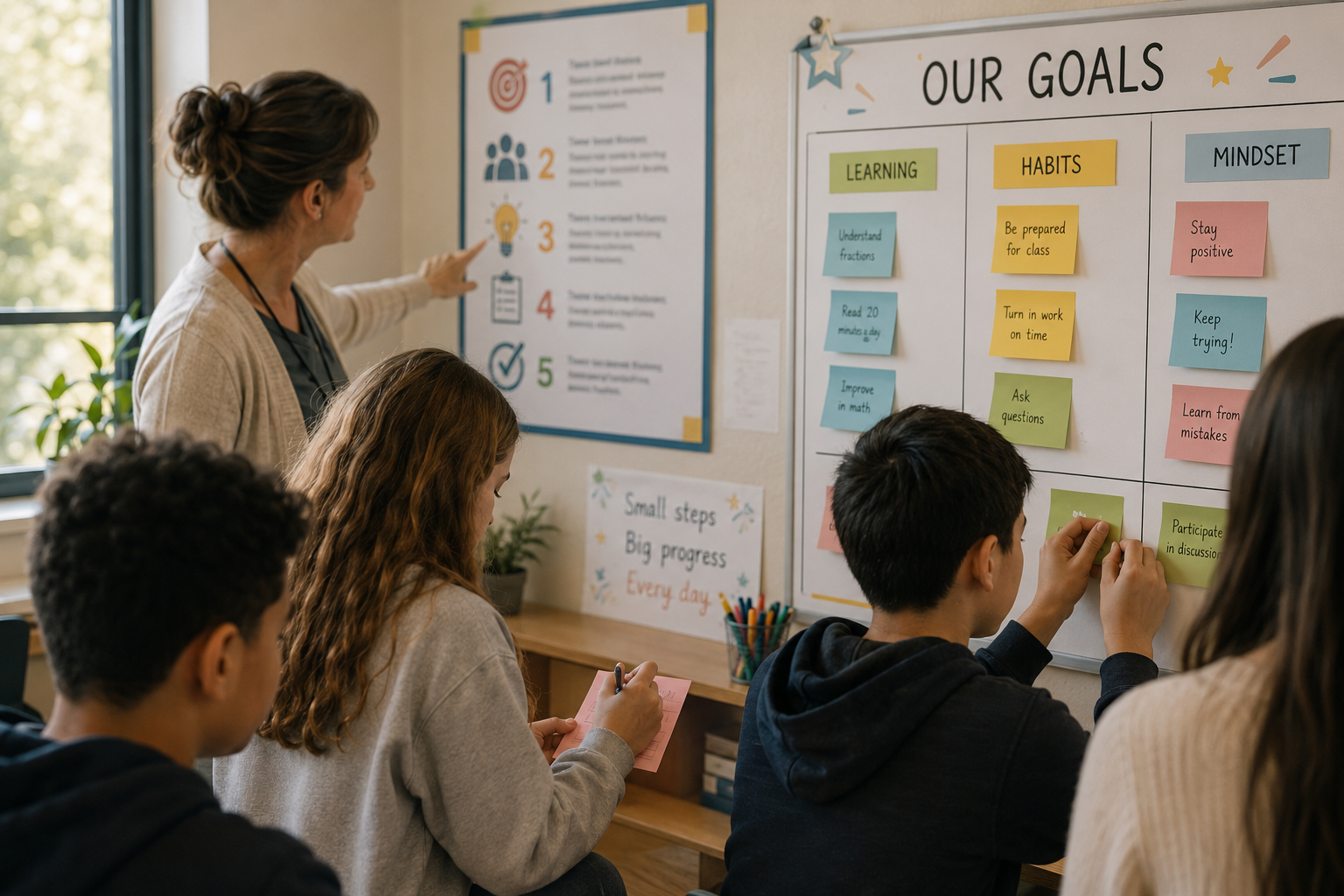
Use prompts and visual cues at first, then fade supports as students demonstrate competence. A scaling plan helps avoid overloading learners while maintaining consistency.
Examples and practical classroom moves
Concrete examples help teachers imagine implementation across subjects and grades. For instance, a three-step warm-up (preview, predict, write) primes critical thinking before new material. A routine for peer feedback (compliment, question, suggestion) produces focused exchanges and reduces off-task talk. Exit tasks that ask students to state a goal for next time encourage continuous planning and accountability.
- Three-minute warm-ups to activate prior knowledge.
- Two-question self-checklists for independent practice.
- Structured peer feedback frames used each week.
These moves are simple to document and refine. When routines are predictable, students gain confidence and teachers free instructional time for deeper learning.
Conclusion
Consistent, taught routines shift responsibility toward learners and build durable habits. Start small, model clearly, and plan for gradual fading of supports. Over weeks, these habits compound into genuine autonomy for students.